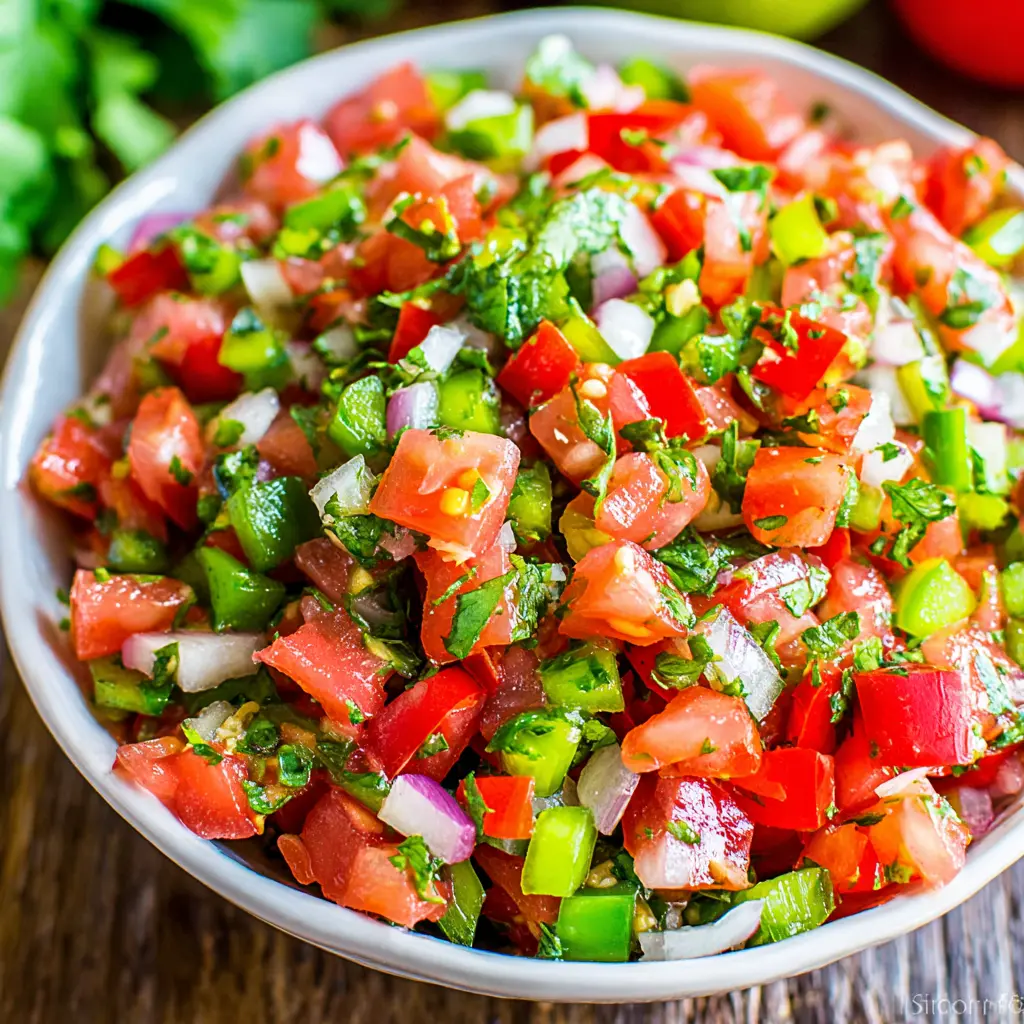
Fiery Habanero Pico de Gallo
Ingredients
Method
- In a medium bowl, combine the diced tomatoes, diced onion, minced habanero, and chopped cilantro.
- Add the fresh lime juice, salt, and black pepper. Stir everything together until well mixed. Taste and adjust seasoning if needed. Serve immediately, or cover and refrigerate for up to 3 days.
Nutrition
Notes
Tried this recipe?
Let us know how it was!Why This Habanero Pico de Gallo Works
I’ll be honest with you my first attempt at a spicy pico de gallo was a disaster. I tossed in a whole habanero, seeds and all, without thinking. My eyes were watering, my mouth was on fire, and I basically ruined a perfectly good batch of tomatoes. That’s when I learned that habanero pico de gallo is all about balance, not brute force.
This recipe is the result of a lot of trial and error. It’s the version I’ve made for countless summer cookouts, Taco Tuesdays, and lazy weekend afternoons. The key is letting the habanero’s fruity, floral heat shine without overwhelming everything else. You get that initial kick, then the sweetness of ripe tomatoes and the brightness of lime come through to cool things down. It’s a dance, honestly. And once you nail it, you’ll never go back to bland store-bought salsa again.
What I love most about this spicy pico de gallo is how versatile it is. It’s not just a chip dip though it’s amazing with a cold beer on a hot day. It’s a grilled meat condiment that cuts through the richness of carne asada. It’s the best salsa for tacos you’ll ever make. And it comes together in about 15 minutes with zero cooking. That’s a win in my book.
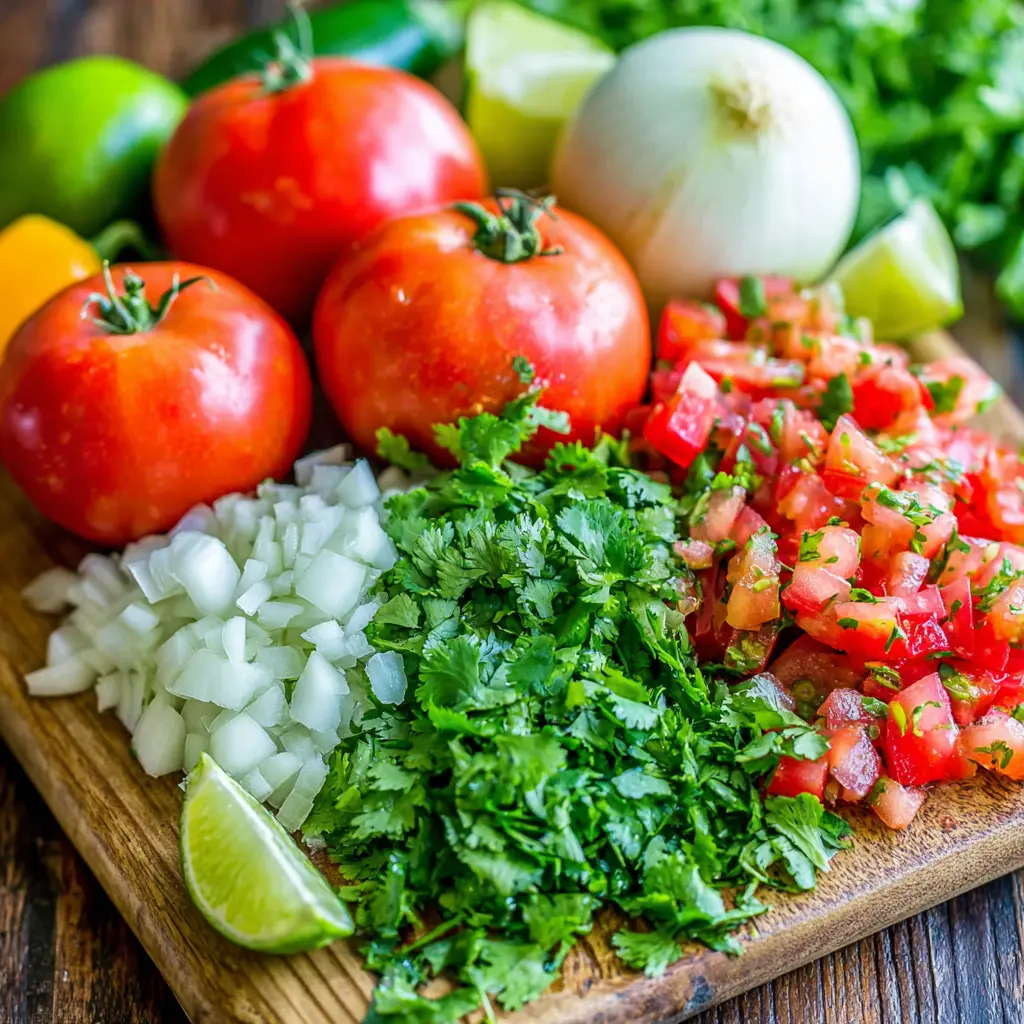
Habanero Pico de Gallo Ingredients
The beauty of this recipe is its simplicity. You only need a handful of fresh ingredients, and each one plays a crucial role. Let me walk you through them.
- Roma tomatoes (1 pound): These are my go-to for pico de gallo. They’re meaty, have fewer seeds, and hold their shape well when diced. Avoid overly ripe tomatoes that turn mushy.
- White onion (1/2 medium): Finely diced, it adds a sharp, pungent bite that mellows as it sits in the lime juice. Red onion works too, but white is classic.
- Habanero pepper (1 small): The star of the show. One small pepper gives a pleasant, lingering heat. For a milder version, use half. For a serious kick, use two. More on heat levels below.
- Fresh cilantro (1/2 cup): Chopped. It adds that fresh, herbaceous note that’s essential. If you’re one of those people who thinks it tastes like soap, you can swap it for parsley.
- Fresh lime juice (2 tablespoons): From about one large lime. Bottled lime juice won’t give you the same bright, zesty flavor. Trust me on this.
- Salt (1/2 teaspoon): Or to taste. Salt is crucial here it draws out the moisture from the tomatoes and balances the heat.
- Black pepper (1/8 teaspoon): A subtle background note that rounds everything out.
That’s it. No garlic, no cumin, no weird stuff. Just pure, fresh flavors. This homemade salsa with habanero is all about letting the ingredients speak for themselves.
How to Make Habanero Pico de Gallo
Alright, let’s get to the fun part. The process is dead simple, but a few small techniques make a big difference. I’ll break it down into four stages so you can follow along easily.
Stage 1: Prep Your Tomatoes
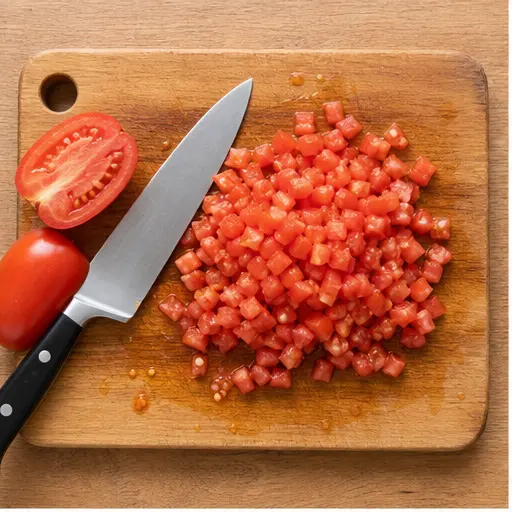
Start by dicing your Roma tomatoes. Here’s my trick: cut each tomato in half lengthwise, then use a small spoon to gently scoop out the juicy seed pockets. This is the secret to avoiding a watery pico de gallo. Don’t worry about getting every single seed just the loose, jelly-like stuff. Then dice the tomato flesh into small, even cubes, about 1/4 inch. You want them small enough to fit on a chip but not so small they turn into mush.
Stage 2: Handle the Habanero
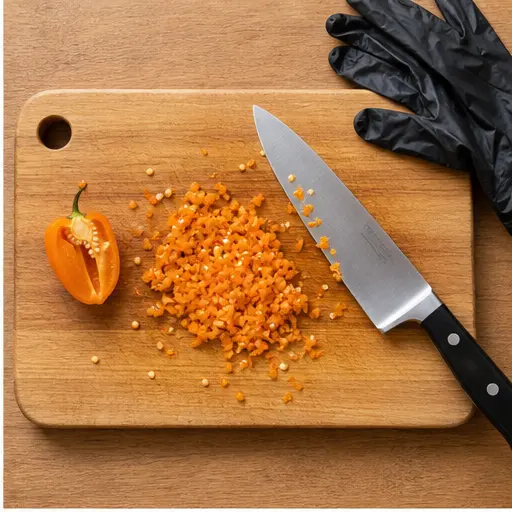
This is where most people get nervous. But you’ve got this. First, put on gloves. I cannot stress this enough. Habanero oils can linger on your skin for hours, and the last thing you want is to rub your eye later. Trust me, I learned the hard way. Cut the habanero in half, then use the tip of your knife to scrape out the white membranes and seeds. That’s where most of the heat lives. Then mince the pepper into tiny pieces. One small habanero gives a pleasant, lingering warmth. If you want a milder kick, use half. If you’re feeling brave, use two.
Stage 3: Combine Everything
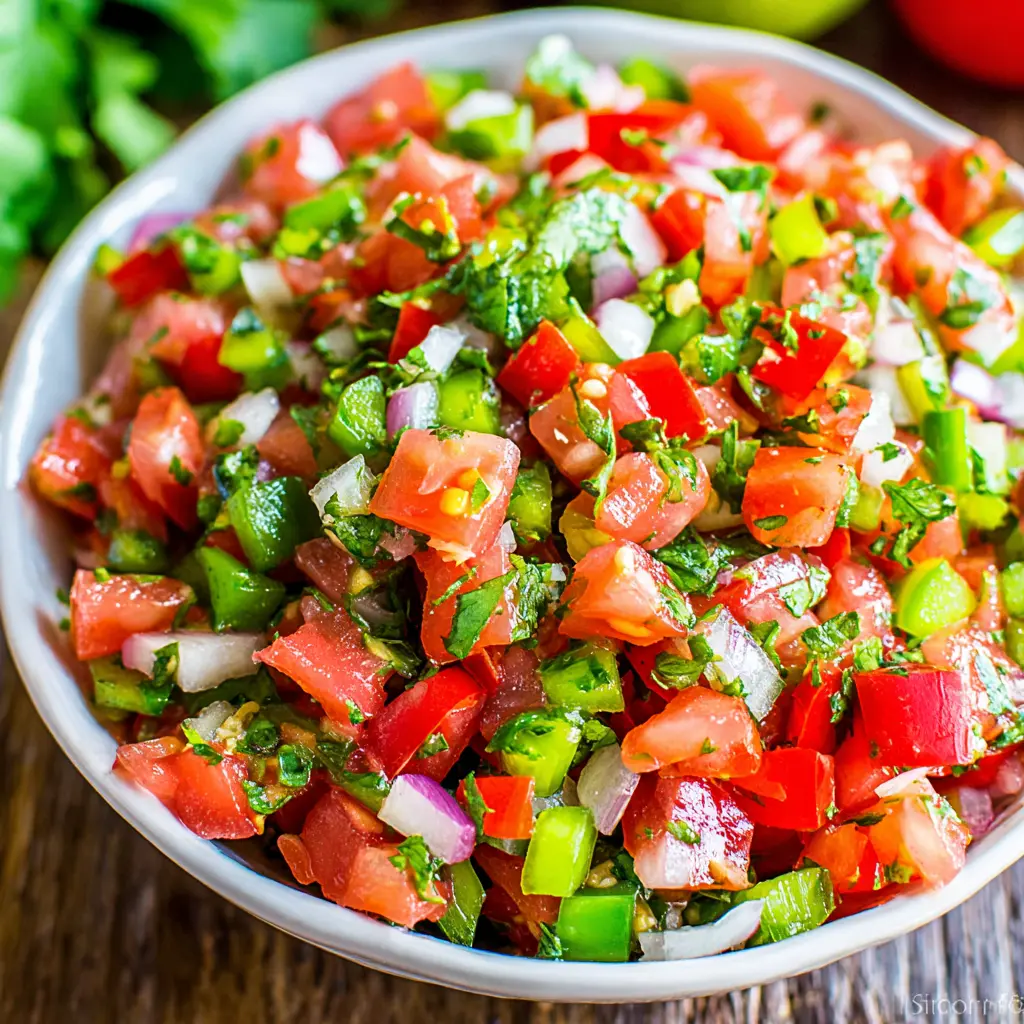
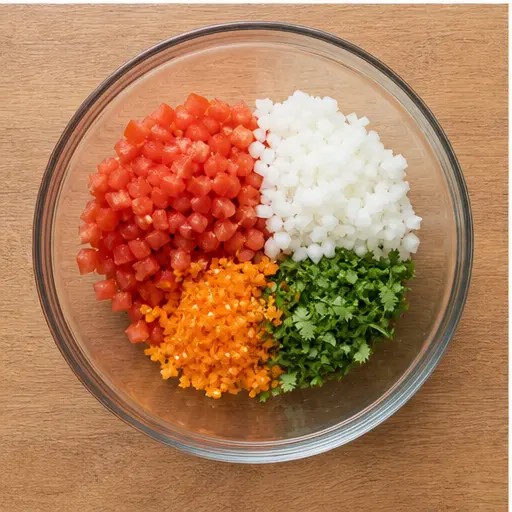
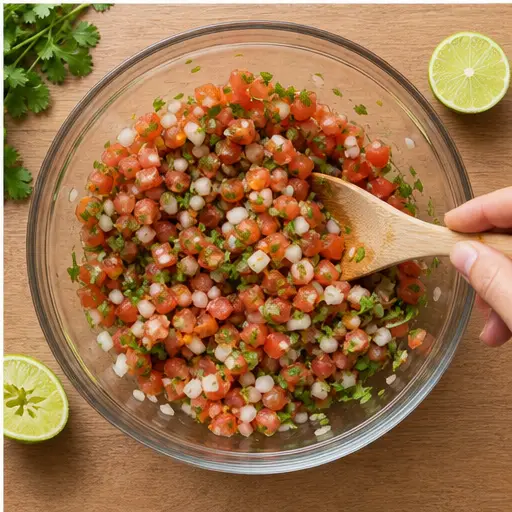
In a medium bowl, toss together your diced tomatoes, finely diced white onion, minced habanero, and chopped cilantro. Give it a gentle stir with a spoon. You should already see the vibrant reds, whites, and greens coming together. It’s a beautiful thing.
Stage 4: Season and Rest
Add the fresh lime juice, salt, and black pepper. Stir everything until well combined. Now, here’s the most important step: taste it. Dip a clean chip in and see how it hits you. Need more salt? Add a pinch. Want more lime? Squeeze in a little extra. This is your salsa, so adjust it to your liking. Let it rest for about 10 minutes at room temperature. This allows the flavors to meld and the salt to work its magic. Serve immediately, or cover and refrigerate for up to 3 days.
Recipe Tips & Notes
Over the years, I’ve picked up a few tricks that make this habanero pico de gallo even better. Here are my top tips:
- Adjust ingredients to taste: This recipe is a starting point. Use more or less habanero, lime, or salt based on your preference.
- Use gloves when handling habaneros: I said it before, but it’s worth repeating. The capsaicin can burn your skin. If you do get it on your hands, wash with soap and warm water. Milk can also help neutralize the burn.
- Take time selecting fresh, ripe produce: Your pico is only as good as your ingredients. Look for firm, fragrant tomatoes and bright green cilantro.
- Handle habaneros last: Cut them after everything else to avoid transferring heat to other ingredients or surfaces.
- Store in an airtight container in the fridge: It will keep for up to 5 days, but the texture is best within 1-2 days. The heat can intensify overnight.
⚠️ Capsaicin Warning
Always wear gloves when handling habaneros. The capsaicin oils can cause a burning sensation on your skin. If you accidentally touch your face or eyes, rinse immediately with milk or a mild soap solution. Avoid touching your eyes at all costs!
How to Select Habanero Peppers
Choosing the right habanero is key to getting the heat level you want. Here’s what to look for:
- Color: Ripe habaneros come in a range of colors orange, red, yellow, or even chocolate. Orange and red are the most common and have a fruity, floral flavor. Green habaneros are less ripe and can be more vegetal and slightly less hot.
- Firmness: Like a good avocado, a habanero should be firm but give slightly under gentle pressure. Avoid ones that are soft or wrinkled.
- Size: Smaller habaneros tend to be hotter than larger ones. A small pepper packs a concentrated punch.
- Smell: A fresh habanero should have a bright, almost citrusy aroma. If it smells musty or fermented, it’s past its prime.
For this recipe, a single small, firm orange habanero is perfect. It provides a pleasant burn without being overwhelming. If you’re new to how to cut habanero, start with half a pepper and work your way up.
How to Handle Habanero Peppers Safely
I get it habaneros can be intimidating. But with the right precautions, they’re easy to work with. Here’s my safety routine:
- Wear gloves: Disposable nitrile or latex gloves are your best friend. They prevent the capsaicin from getting on your skin.
- Work in a well-ventilated area: The fumes from cutting a habanero can be strong. Open a window or turn on a fan.
- Use a separate cutting board: To avoid cross-contamination, use a board you can wash thoroughly afterward.
- Seeding safely: Cut the pepper in half lengthwise. Use the tip of a small knife to scrape out the white membranes and seeds. This is where most of the heat resides. For a milder salsa, remove all the seeds and membranes. For a hotter one, leave some in.
- Wash your hands and tools: After handling, wash your hands (even if you wore gloves), the cutting board, and the knife with hot, soapy water. Avoid touching your face until you’ve washed up.
If you do get capsaicin on your skin, don’t panic. Wash with soap and warm water. If that doesn’t work, rub the area with milk or yogurt. The fat in dairy helps dissolve the oils. For capsaicin burn relief, a little milk goes a long way.
Serving Suggestions
This habanero pico de gallo is incredibly versatile. Here are some of my favorite ways to use it:
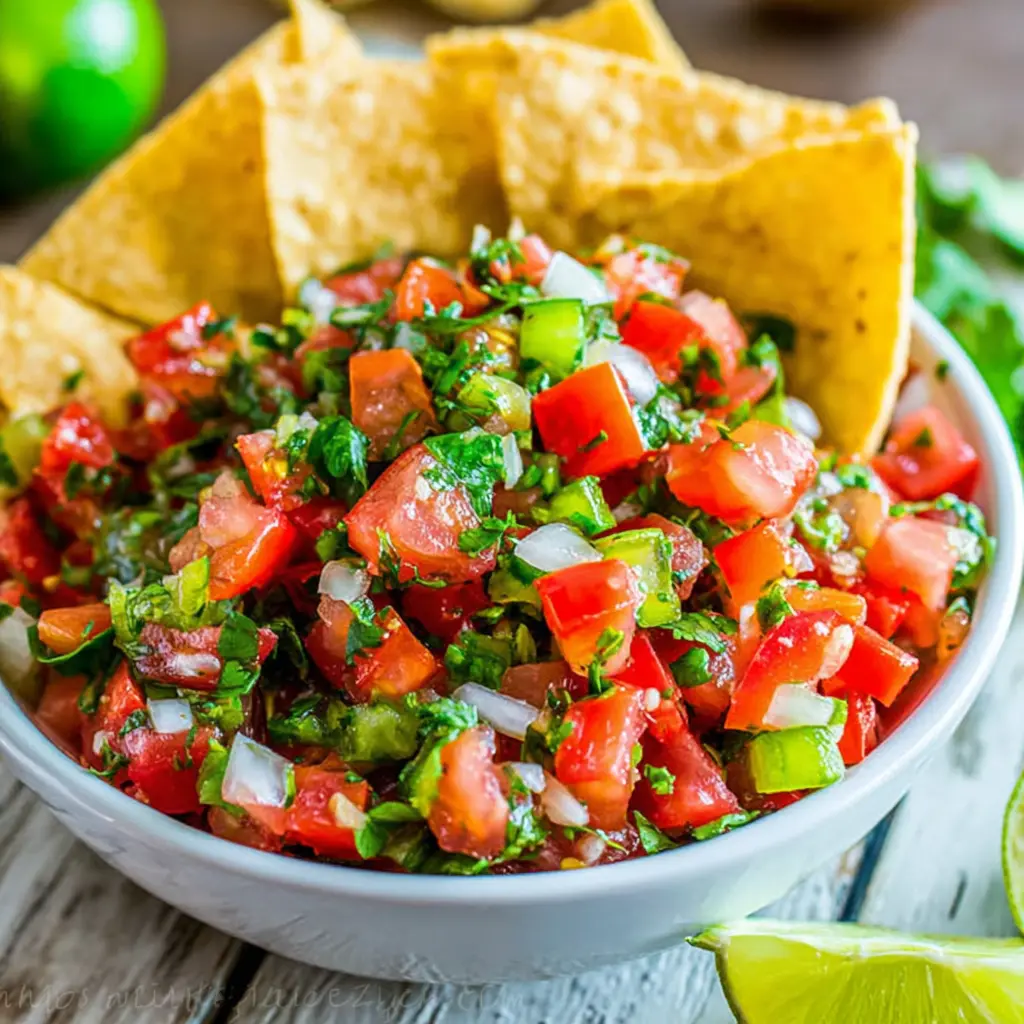
- With tortilla chips: The classic. Serve it as a spicy appetizer at your next gathering.
- On tacos: It’s the best salsa for tacos especially fish tacos, carne asada, or chicken tacos.
- With grilled meats: Spoon it over grilled chicken, steak, or fish. The fresh acidity cuts through the richness beautifully.
- On burrito bowls or salads: Add a spoonful for a burst of freshness and heat.
- As a topping for avocado toast: Trust me on this one. The spicy, tangy pico is amazing on creamy avocado.
- With eggs: Try it on huevos rancheros or scrambled eggs for a breakfast with a kick.
This will be the star of your July 4th table, I promise. It’s the perfect easy salsa for BBQ that everyone will rave about.
Storage & Make-Ahead Tips
One of the best things about this fresh tomato salsa is that it stores well. Here’s what you need to know:
- Refrigerate: Store in an airtight container in the fridge for up to 5 days. The flavors will meld and deepen, but the texture is best within 1-2 days.
- Drain excess liquid: As it sits, the tomatoes will release water. Before serving leftovers, drain off any excess liquid to keep it from getting watery.
- Do not freeze: Freezing will ruin the texture. The tomatoes will become mushy and watery when thawed. This is a fresh salsa meant to be enjoyed within a few days.
- Make-ahead tip: If you want to prep ahead, you can dice the tomatoes and onion and store them separately in the fridge. Combine with the habanero, cilantro, lime, and salt just before serving for the freshest flavor.
If you notice any off smells or mold, it’s time to toss it. Fresh salsa doesn’t last forever, but it rarely sticks around long enough to go bad in my house.
Frequently Asked Questions
Oops, I Made It Too Spicy Now What?
We’ve all been there. You add a little too much habanero and suddenly your mouth is a wildfire. Don’t worry there are a few easy fixes.
- Add more tomatoes: The simplest fix. Dice up another Roma tomato or two and stir them in. This dilutes the heat without changing the flavor profile.
- Add more lime juice: Acidity helps cut through the heat. Squeeze in another half lime and taste.
- Add a sweet element: A spoonful of sugar or honey can help balance the burn. But use it sparingly you don’t want a sweet salsa.
- Stir in some diced fruit: Mango or pineapple are classic additions to a mango habanero pico or pineapple pico de gallo. The natural sugars tame the heat beautifully.
- Serve with dairy: If you’re serving it with tacos, add a dollop of sour cream or crema. The fat and protein in dairy help neutralize capsaicin.
And if you’ve already eaten it and your mouth is on fire? Drink milk, not water. Water just spreads the capsaicin around. Milk, yogurt, or even a spoonful of sugar will help soothe the burn.
I hope you love this habanero pico de gallo as much as I do. It’s become a staple in my kitchen, and I’m always excited to share it. Give it a try, and don’t be afraid to make it your own. You’ve got this.
Source: Nutritional Information
<!– wp:rank-math/faq-block {"questions":[{"id":"faq-question-1781933823283","title":"What does habanero pineapple salsa taste like?","content":"Habanero pineapple salsa is a sweet and spicy twist on the classic. The tropical sweetness of pineapple balances the habanero's heat beautifully. To make it, simply add 1/2 cup of finely diced fresh pineapple to this recipe. It's a fantastic summer salsa recipe that’s perfect for grilled fish or chicken.”,”visible”:true},{“id”:”faq-question-1781933823284″,”title”:”Can I use this recipe for canning?”,”content”:”No, I wouldn’t recommend it. This recipe is designed for fresh, no-cook salsa. Canning requires specific acidity levels and processing times to be safe. For a shelf-stable salsa, you’ll need a tested canning recipe. Stick to making this fresh and enjoying it within a few days it’s way better that way.”,”visible”:true},{“id”:”faq-question-1781933823285″,”title”:”Can I freeze this recipe?”,”content”:”I wouldn’t. Freezing will completely ruin the texture. The tomatoes will turn mushy and watery when they thaw, and the cilantro will lose all its freshness. This is a fresh salsa meant to be eaten within a few days. If you have leftovers, just keep them in the fridge and enjoy them within 3-5 days.”,”visible”:true},{“id”:”faq-question-1781933823286″,”title”:”What is the difference between pico de gallo and salsa?”,”content”:”Pico de gallo is a type of salsa, but it’s distinct. It’s made with fresh, diced ingredients and is never cooked. Traditional salsas can be cooked or raw, and are often blended or pureed. Pico de gallo is chunkier, fresher, and has a brighter, more distinct flavor from each ingredient. Think of it as a salsa’s fresher, more rustic cousin.”,”visible”:true}]} –>