
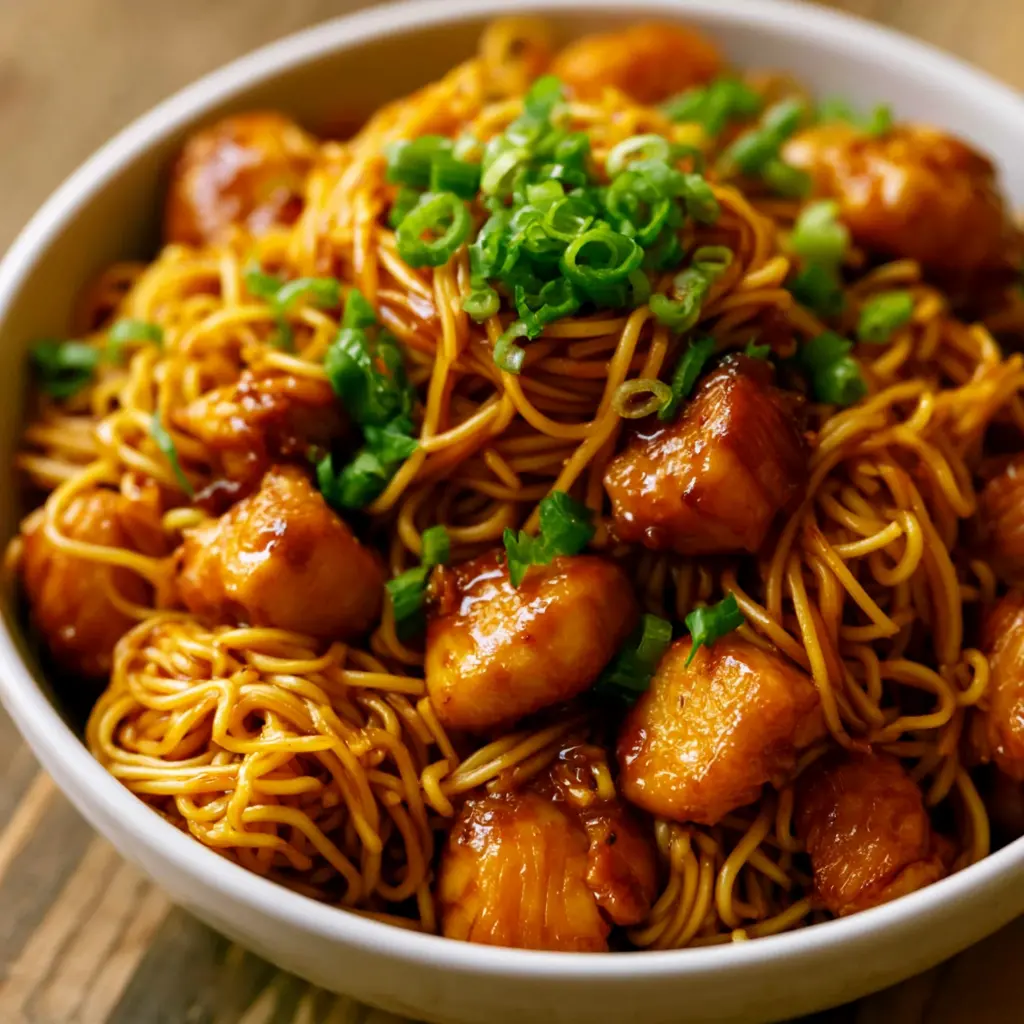
Why You’ll Love Sticky Garlic Chicken Noodles
Okay, real talk. It’s 5:45 PM, you just walked through the door, and someone’s already asking what’s for dinner. The hangry one, the picky one, doesn’t matter who. You’re tired, the fridge feels like a challenge, and takeout sounds easier by the second.
I get it. That’s exactly why these sticky garlic chicken noodles exist. They’re a 30-minute, one-wok dinner that genuinely tastes better than takeout, which still surprises me a little every time. Juicy golden chicken. Chewy noodles. A glossy honey-garlic glaze that clings to every strand. The kind of sticky garlic chicken noodles recipe you’ll actually make on a Tuesday, not just pin and forget.
The first time I tried this, my noodles turned into one gluey, sad lump. Truly tragic. But I figured out the fix (rinse them, then toss with a tiny bit of oil), and now this one-pan dinner is in heavy rotation. It’s fast, forgiving, and uses stuff you probably already have.
Ingredients & Substitutions
Here’s the thing about this garlic chicken stir fry. It’s simple. No specialty grocery run, no ingredients you can’t pronounce. Let’s walk through the lineup.
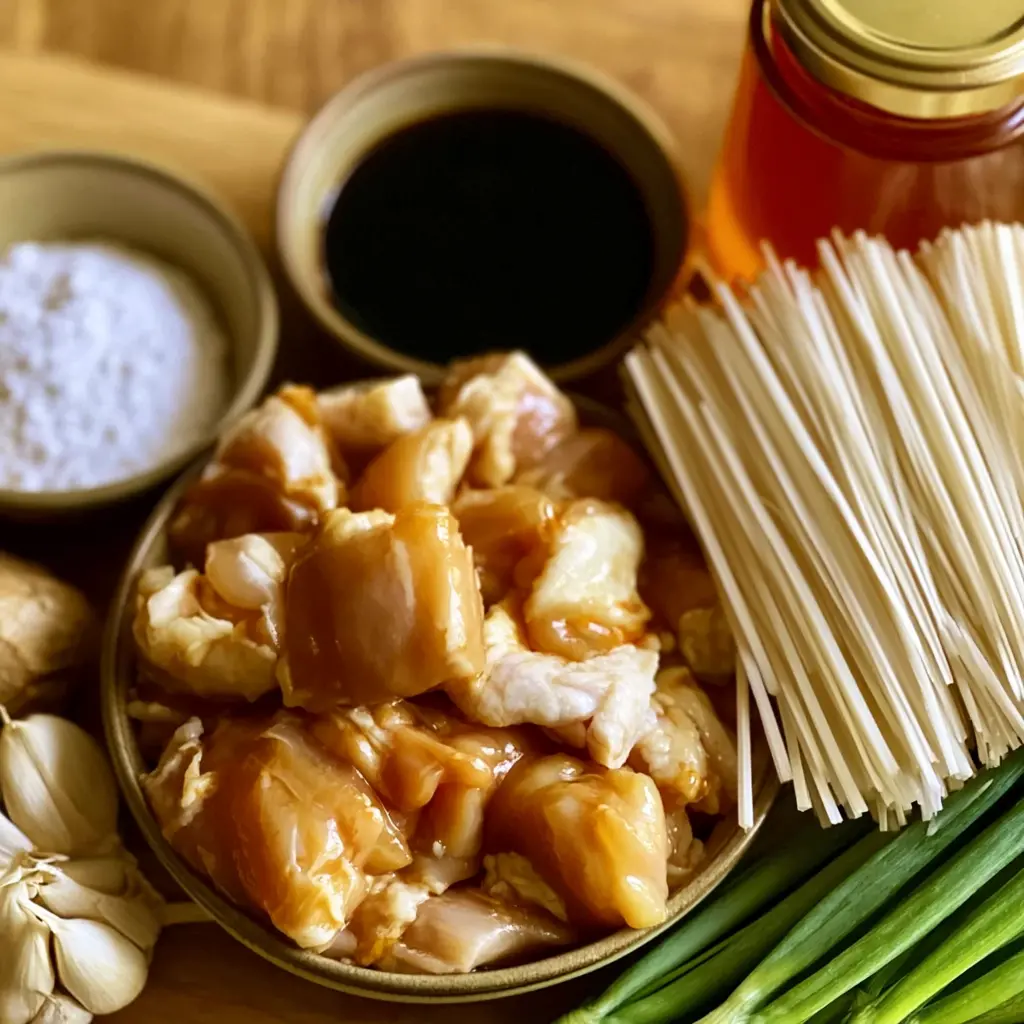
Chicken: Boneless, skinless chicken breasts or thighs both work great. Thighs are juicier and more forgiving, which is my pick for busy nights. Breasts are leaner and cook a touch faster. Slice into bite-size chunks so everything cooks evenly.
The sauce: Soy sauce, honey, fresh garlic, grated ginger, and a pinch of red pepper chili flakes. That’s the whole sticky sauce glaze, and it’s magic. Kikkoman, San-J, the mystery bottle in your fridge, any soy sauce works here. Cornstarch does double duty, coating the chicken for crispy edges and helping the sauce thicken into something that truly coats a spoon.
- No rice noodles? Egg noodles, lo mein noodles, or udon all work well.
- Low sodium? Swap in reduced-sodium soy sauce.
- Gluten-free? Use rice noodles and tamari or a certified gluten-free soy sauce.
- No honey? Brown sugar is a solid optional swap for a deeper caramel note.
- No chili flakes? Just leave them out. Still delicious.
Everything else is timing and technique, and I’ll walk you through all of it.
How to Make Sticky Garlic Chicken Noodles
The whole thing comes together in about 30 minutes, and the best part? You only need one skillet or wok. Let’s break it into four simple stages.
Stage 1: Whisk the Sauce and Coat the Chicken
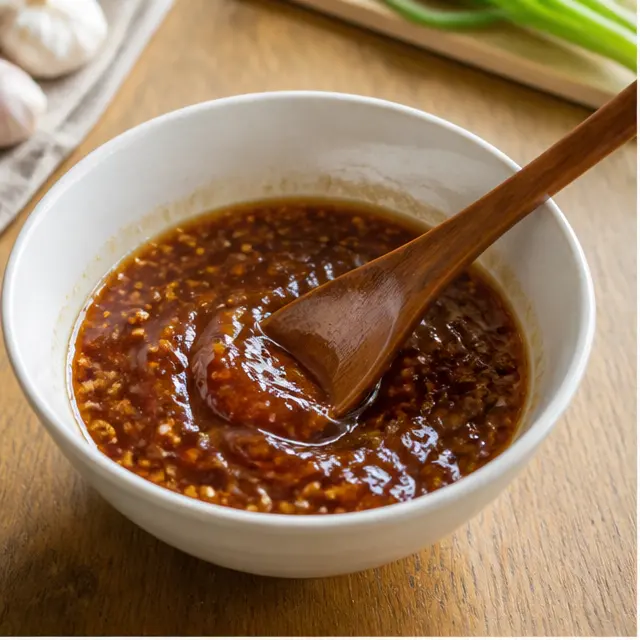
Start with the sauce. Whisk soy sauce, honey, minced garlic, ginger, and chili flakes in a small bowl until the honey fully dissolves. Set it near the stove so it’s ready when you are.
Then toss your chicken chunks with cornstarch in a medium bowl. Every piece should look lightly dusted, like a soft powder coating. This is what gives you those golden, slightly crispy edges and helps the sauce cling to the chicken instead of pooling at the bottom of the pan.
Stage 2: Sear the Chicken
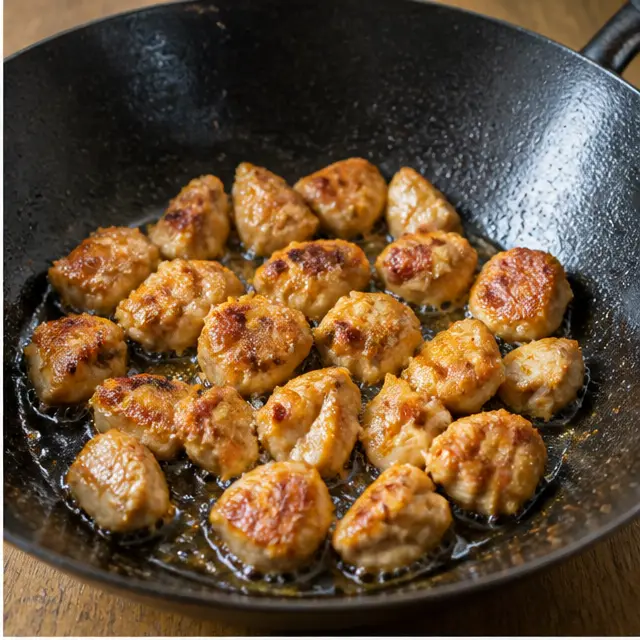
Heat the oil in a large skillet or wok over medium-high heat. When it shimmers, add the chicken in a single layer. Don’t overcrowd the pan. Crowding steams the meat instead of searing it, and we want golden, not gray.
Let it cook for 6 to 8 minutes, turning occasionally, until the pieces are golden brown and cooked through. The sizzle of that browning chicken, with a hint of cornstarch crispness, is honestly half the fun.
Stage 3: Simmer the Glaze and Cook the Noodles
Pour the sauce over the chicken and turn the heat down to medium-low. Let it bubble gently for 2 to 3 minutes, stirring, until it transforms into a shiny glaze. You’ll see it go from runny to glossy, coating the back of a spoon with a slow, sticky trail. That’s your cue.
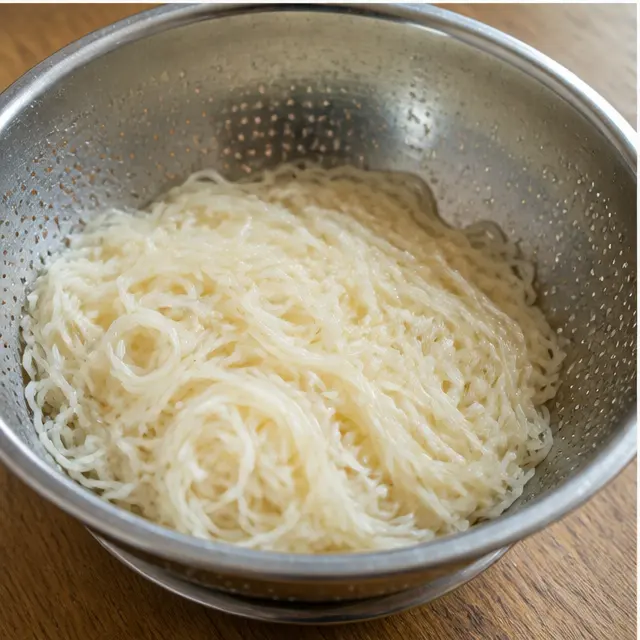
While that simmers, cook your noodles in salted boiling water per the package directions. Rice noodles go fast, so watch them. Drain, rinse briefly under cool water, then toss with a tiny drizzle of oil. This little step is the secret to noodles that don’t clump.
Stage 4: Toss and Serve
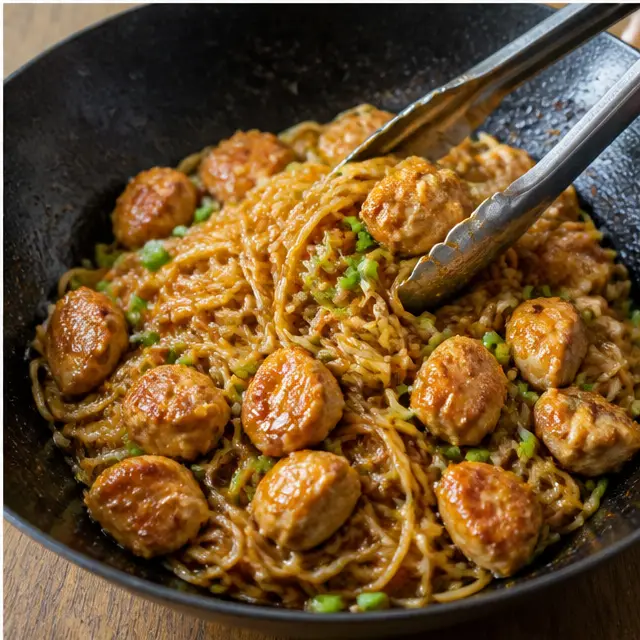
Add the noodles to the skillet and toss gently with the chicken. Use tongs if you have them, big swooping folds, until every strand is lacquered in that sticky sauce.
Finish with a generous sprinkle of sliced green onions and serve hot. The contrast, juicy chicken, chewy noodles, fresh onion bite, is everything.
Tips for the Best Results
Let’s skip the trial and error, because I already made these mistakes for you.
- ❌ Overcooking your rice noodles. They turn mushy fast. Set a timer and cook them just until tender.
- ✅ Rinse them briefly after draining and add a touch of oil to keep strands separate.
- ❌ Not rinsing the noodles. They’ll clump into one sad pile.
- ✅ A quick rinse plus a drizzle of oil fixes it every single time.
- ❌ Scorching the garlic. High heat turns it bitter fast.
- ✅ Simmer the sauce gently over medium-low, just enough to thicken the glaze.
- ❌ Overcrowding the pan. Too much chicken at once means steaming, not searing.
- ✅ Keep it to a single layer and give each piece some breathing room.
- ❌ Letting the sauce sit too long with the noodles. They soak up liquid and get soft.
- ✅ Toss, serve, and enjoy right away.
If the sauce ever feels too thick, splash in a tablespoon of water while it simmers. Too thin? Give it another minute or two on medium-low. You’re looking for that honey soy glaze moment where everything shines.
Variations & Add-Ins
This sticky garlic chicken noodles recipe is a perfect base for experimenting, and I love that about it. You can dress it up or keep it simple.
- Add vegetables (optional): Broccoli, bell peppers, or snow peas are great. Stir them in right after the chicken starts to brown so they soften into the sauce.
- Swap the protein (optional): Sliced beef, shrimp, or cubes of tofu all work if chicken isn’t your thing.
- Make it spicier (optional): Add extra red pepper chili flakes or a little sriracha on top. Keep it mild for the kids and let everyone adjust at the table.
- Riff on the sauce (optional): A spoonful of oyster sauce adds savory depth, or a splash of rice vinegar brightens it up. Totally optional, but tasty if you keep them in your fridge.
- Gluten-free: Rice noodles plus tamari or gluten-free soy sauce, and you’re set.
That’s the beauty here. You can riff on the basics all summer long, and the sauce keeps things exciting every time. Flexible and forgiving, exactly what a weeknight dinner recipe should be.
Storage & Reheating
Got leftovers? No judgment, they rarely last in my house either. But if you have some, here’s how to keep them tasting fresh.
Store in an airtight container in the fridge for up to 3 days. When you’re ready to eat, reheat gently in a skillet over low heat with a splash of water to loosen the sauce. Or microwave in short bursts, stirring between, so the noodles don’t over-soften.
You can also freeze sticky garlic chicken noodles in an airtight container for up to a month. Thaw overnight in the fridge, then reheat with a splash of broth or water. The texture won’t be exactly like night one, but it’ll still hit that takeout spot.
And look, I’ll say it one more time because it matters. Use whatever noodles you have. Seriously. Spaghetti works. I won’t tell. The whole magic is in that sticky sauce, and the sauce doesn’t care what carb it’s coating.
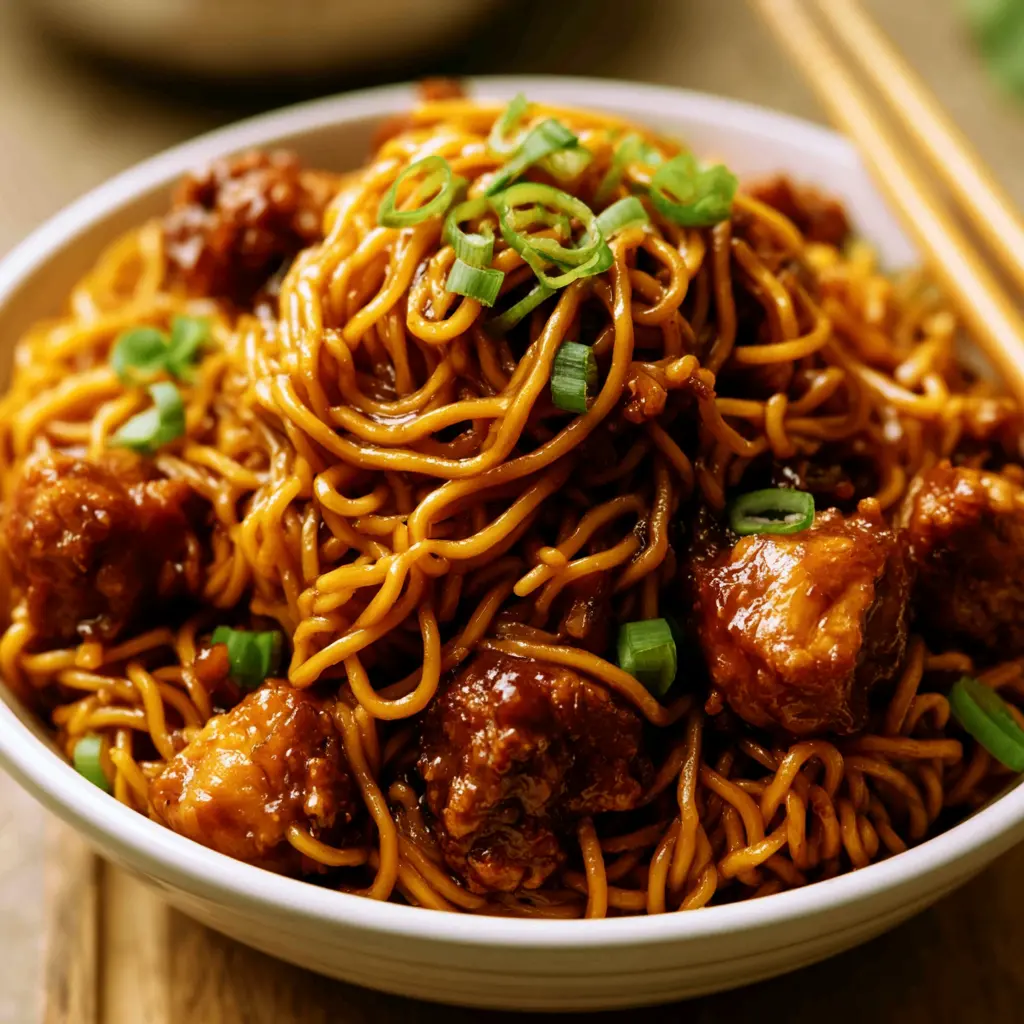
If you make these sticky garlic chicken noodles, I’d love to know how they turn out. Tag me or drop a comment. And hey, if you’re hunting for more no-fuss weeknight inspiration, browse my 30-minute dinner board on Pinterest. I’m always saving new easy meals over there.
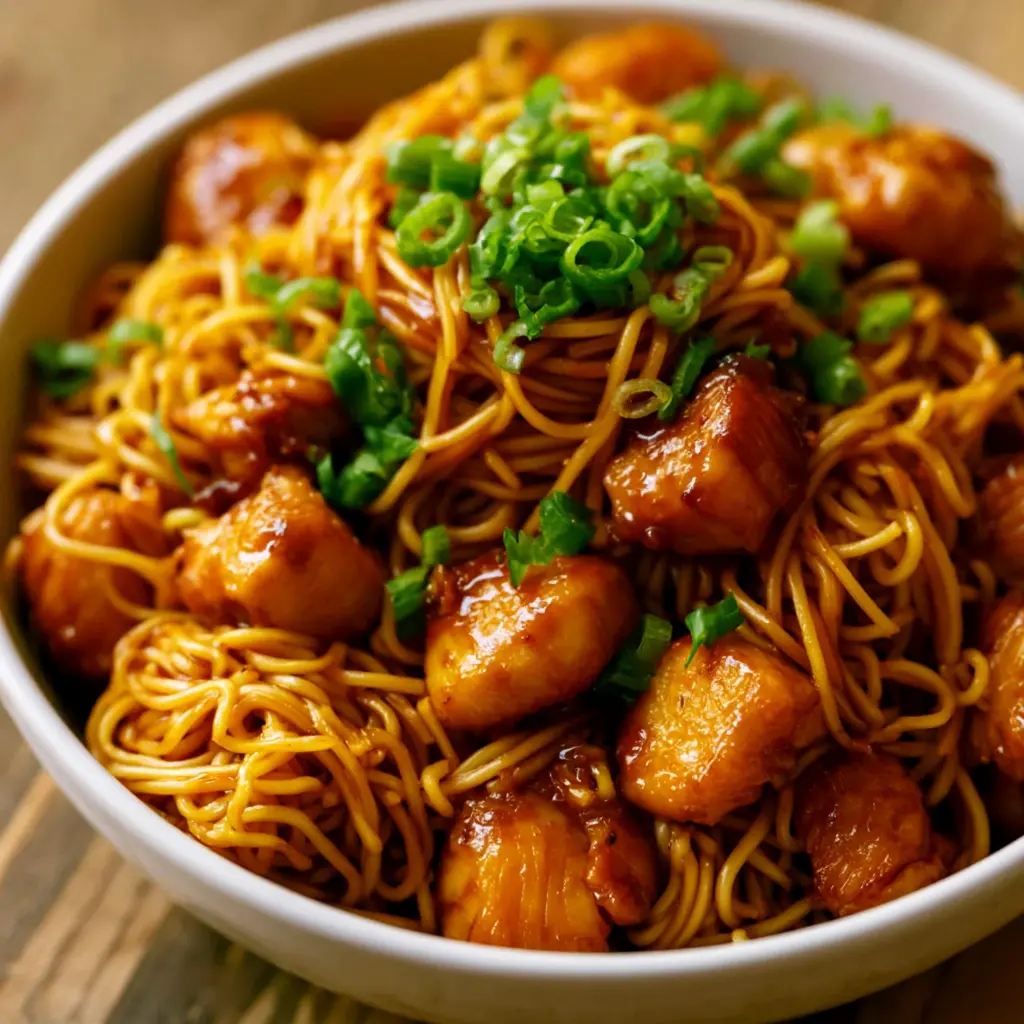
Sticky Garlic Chicken Noodles
Ingredients
Method
- In a small bowl, whisk together the soy sauce, honey, garlic, ginger, and chili flakes until well combined.
- Place the chicken pieces in a medium bowl, sprinkle with cornstarch, and toss until every piece is lightly coated.
- Heat the oil in a large skillet or wok over medium-high heat. Add the chicken in a single layer and cook for 6 to 8 minutes, turning occasionally, until golden brown and cooked through.
- Pour the sauce over the cooked chicken and reduce the heat to medium-low. Simmer for 2 to 3 minutes, stirring, until the sauce thickens into a glossy glaze.
- While the sauce simmers, cook the noodles according to the package directions in salted boiling water, then drain and rinse briefly.
- Add the cooked noodles to the skillet and toss gently with the chicken until everything is coated in the sticky sauce.
- Finish with a sprinkle of sliced green onions and serve hot.
Nutrition
Notes
Tried this recipe?
Let us know how it was!Frequently Asked Questions
Source: Learn More About This Dish