Why This Creamy Sesame Ginger Dressing Works
I have a confession. For years, I bought bottled sesame ginger dressing. You know the ones – they sit in the grocery store aisle, looking all promising with their labels of fresh ginger and toasted sesame. And every time, I’d get home, take a taste, and feel… let down. Too sweet. Too thick. Or worse, that weird chemical aftertaste that makes you wonder what you’re actually eating.
So I started experimenting. I wanted a sesame ginger dressing that tasted like the one from my favorite Japanese restaurant – that perfect balance of creamy, tangy, nutty, and just a little bit zingy. And after a few batches that were either too oily or too bland, I finally nailed it.
This recipe is the one. It’s a ginger salad dressing that comes together in a blender in about 5 minutes. No cooking. No weird ingredients. Just real, pantry-friendly stuff that transforms a boring salad into something you actually look forward to eating.
And the best part? It’s versatile. You can use it as a marinade for chicken, drizzle it over grain bowls, or toss it with cold noodles. I promise, once you make this once, you’ll never go back to the bottle.
Ingredients for Sesame Ginger Dressing
Let’s talk about what goes into this sesame ginger dressing. The ingredient list is short, but each one pulls its weight. Here’s what you need and why it matters.
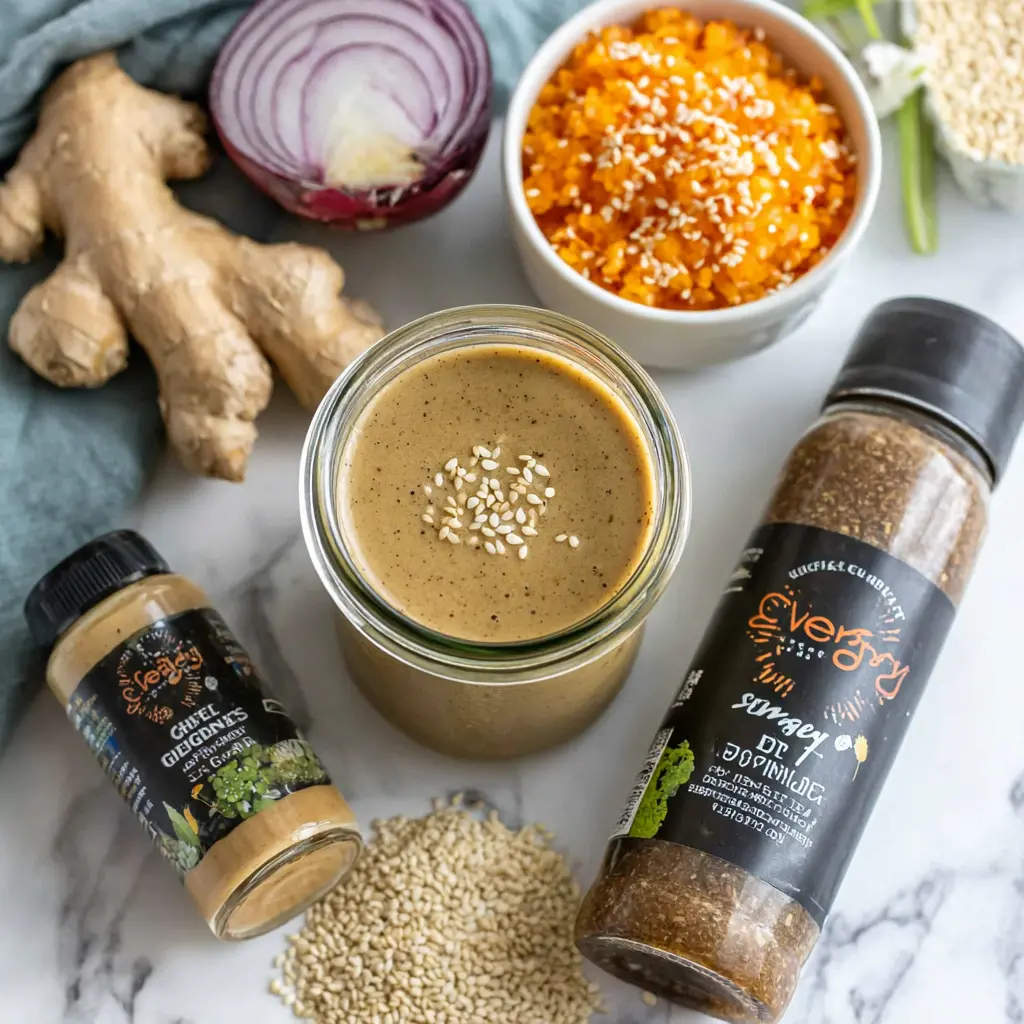
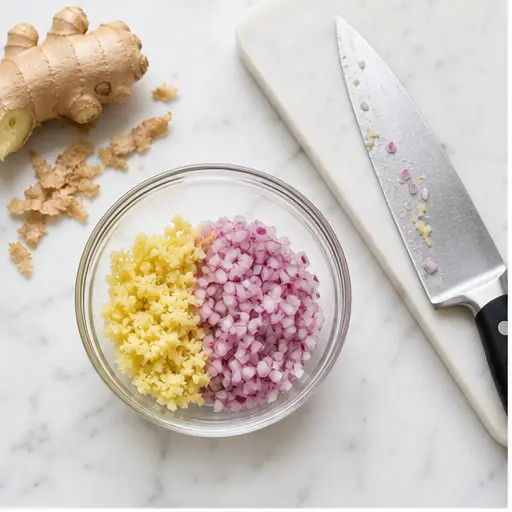
- Fresh ginger (1 tbsp, minced): Don’t even think about using the dried stuff. Fresh ginger gives that warm, peppery zing that makes this dressing pop. Peel it with a spoon, then mince it fine.
- Red onion (1 tbsp, minced): A little bit goes a long way. It adds a subtle sharpness that balances the richness. If you’re not a fan, you can swap for a shallot.
- Rice vinegar (2 tbsp): This is the tangy backbone. It’s milder than white vinegar, so it doesn’t overpower the other flavors. Look for unseasoned rice vinegar to control the sweetness yourself.
- Mayonnaise (1 tbsp): I know, I know – mayo in a salad dressing? Trust me. Just one tablespoon gives the dressing a silky, creamy texture without making it heavy. It’s the secret to that restaurant-style mouthfeel.
- Tahini (1 tbsp): This is where the nuttiness comes from. Use a smooth, runny tahini – not the dry, stiff part at the bottom of the jar. Give it a good stir before measuring.
- Toasted sesame oil (2 tsp): This is non-negotiable. Toasted sesame oil has a deep, nutty aroma that regular sesame oil just can’t match. A little goes a long way, so don’t overpour.
- Low-sodium soy sauce (1 tbsp): For that savory, umami depth. Low-sodium is key here so you can control the saltiness. If you’re gluten-free, use tamari instead.
- Grapeseed oil (1/3 cup): This is your main oil. It’s neutral, so it doesn’t compete with the other flavors. Plus, it helps emulsify the dressing into a creamy, stable vinaigrette. Avocado oil works too.
- Black pepper (1/4 tsp, freshly ground): A little warmth and bite. Don’t skip it – it wakes up all the other flavors.
- Toasted sesame seeds (2 tsp): For texture and a little extra sesame pop. Toast them yourself in a dry pan for 2 minutes – it makes a difference.
Customizing Your Dressing
One of the best things about this sesame ginger dressing is how easy it is to tweak. Maybe you want it spicier. Maybe you need it vegan. Maybe you just want a little more kick. Here’s how to make it your own.
Make It Spicy
Add a pinch of red pepper flakes or a drizzle of sriracha to the blender. Start with 1/4 teaspoon and taste. You can always add more, but you can’t take it out.
Make It Vegan
This recipe is almost there already. Just swap the mayonnaise for a vegan mayo (like Follow Your Heart or Just Mayo) or use an extra tablespoon of tahini. The texture will be slightly different, but still delicious.
Make It Sweeter
If you like your dressing on the sweeter side, add a teaspoon of maple syrup or agave. Taste and adjust. I like it tangy, so I usually skip the sweetener, but you do you.
Make It Gluten-Free
Easy swap: use tamari or coconut aminos instead of soy sauce. Everything else is naturally gluten-free.
Add Fresh Herbs
Stir in some chopped cilantro or chives after blending. It adds a fresh, bright note that’s lovely on salads.
How to Make Sesame Ginger Dressing
Alright, let’s get to it. This sesame ginger dressing comes together in a blender, and the key is the order of operations. Here’s how it goes.
Stage 1: Blend the Base
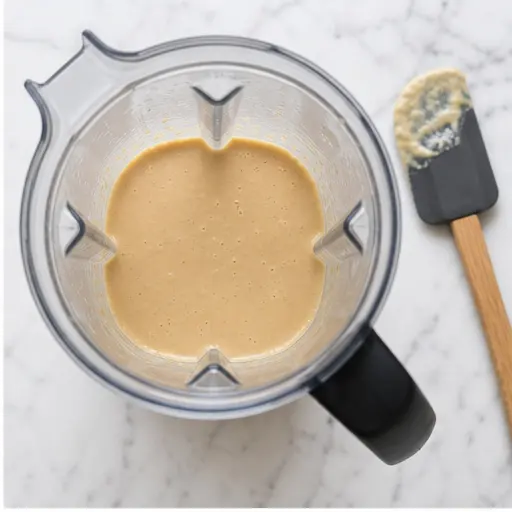
Start by adding the minced ginger, minced red onion, rice vinegar, mayonnaise, tahini, toasted sesame oil, and low-sodium soy sauce to your blender. Blend until everything is completely smooth. This takes about 30 seconds. You might need to stop and scrape down the sides with a spatula once or twice. That’s normal – just make sure there are no chunks of ginger or onion left.
Stage 2: Emulsify with Oil
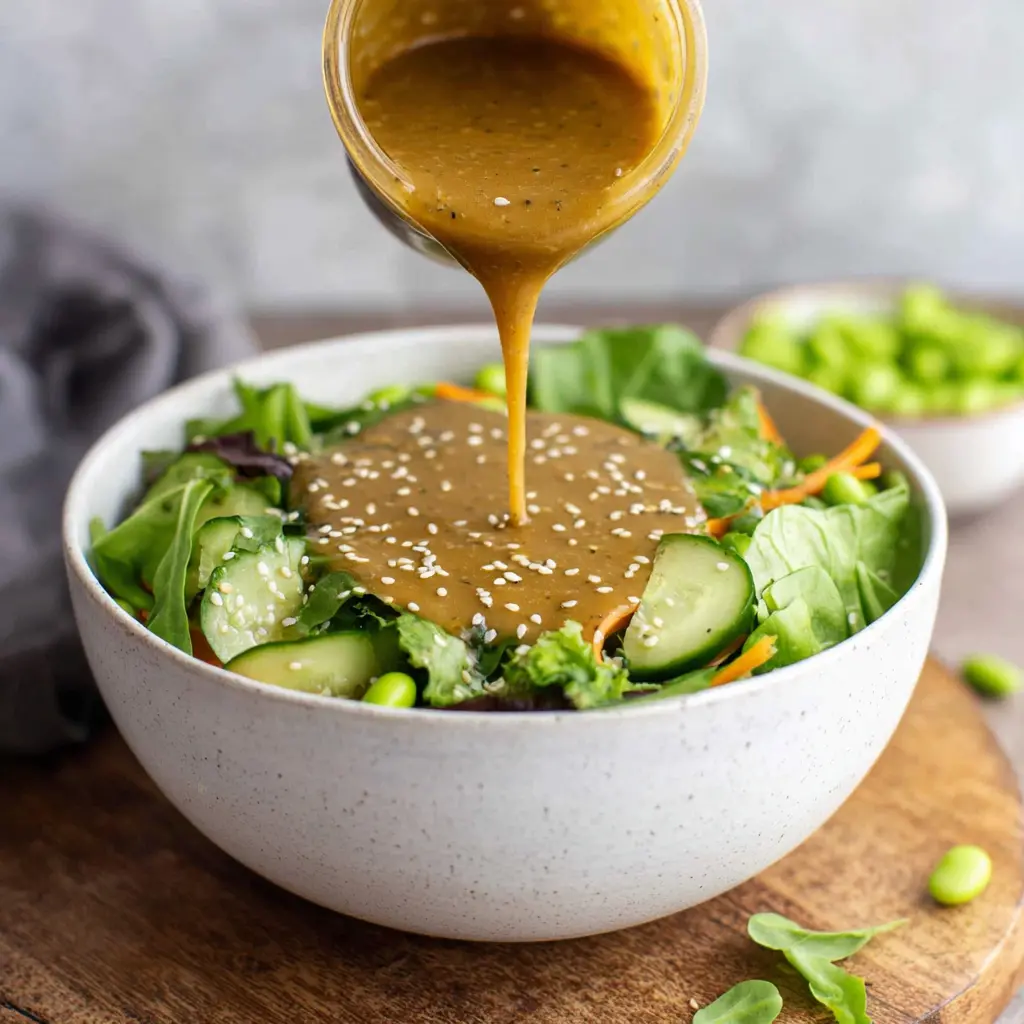
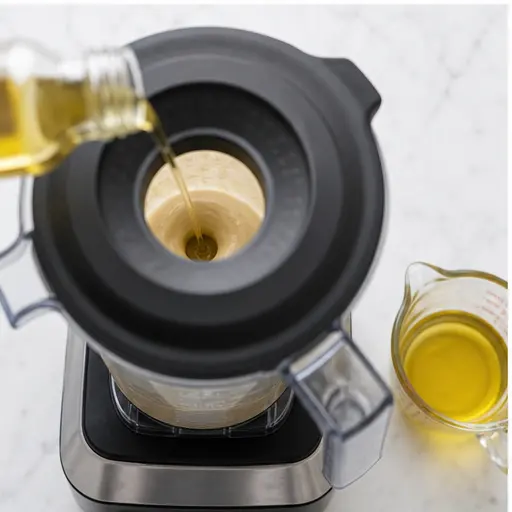
Now for the magic. With the blender running on low speed, remove the small cap from the lid (or use the pour spout) and slowly drizzle in the grapeseed oil. I mean slowly – like a thin, steady stream. This gradual addition is what emulsifies the dressing, giving it that creamy, silky texture that clings to every leaf of lettuce. If you dump it all in at once, you’ll end up with a separated, oily mess. Trust me, I’ve done it. Blend until the dressing is thick and smooth.
Stage 3: Add the Finishing Touches
Once the dressing is emulsified, turn off the blender. Stir in the freshly ground black pepper and toasted sesame seeds by hand. Don’t blend them in – you want the seeds to stay whole for that little crunch. Give it a taste. Need more tang? Add a splash more rice vinegar. Need more salt? A tiny pinch of salt or a few drops of soy sauce.
Stage 4: Transfer and Store
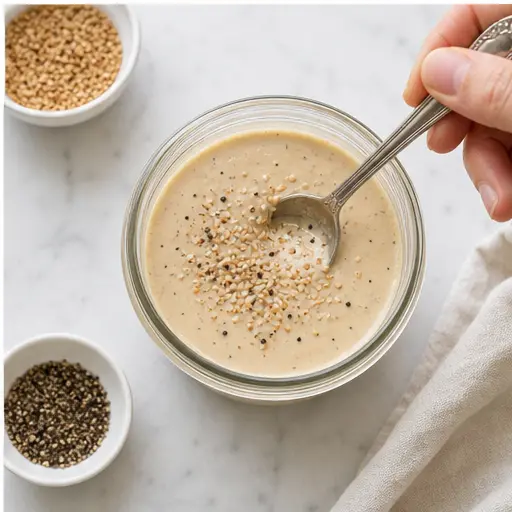
Pour the dressing into a clean glass jar or airtight container. A mason jar works perfectly. Let it sit for 5 minutes before using – the flavors need a moment to mingle. If it separates in the fridge (which it might), just give it a good shake or stir before using. No big deal.
Tips for the Best Texture
Getting that perfect creamy texture is all about technique. Here are a few things I’ve learned the hard way.
- Use a blender, not a whisk. A blender creates a much more stable emulsion than whisking by hand. If you don’t have a blender, a jar with a tight lid works – shake it like crazy for 2 minutes.
- Don’t over-blend after adding the oil. Once the oil is fully incorporated and the dressing is smooth, stop. Over-blending can make it too thick or even break the emulsion.
- If it separates, just shake it. Homemade dressings don’t have the stabilizers that store-bought ones do. If your dressing separates in the fridge, a good shake or stir brings it right back.
- Let it rest. The flavors meld and deepen after about 10 minutes. If it tastes a little flat right after blending, give it time.
Ways to Use This Dressing
This sesame ginger dressing is way more than just a salad topper. Here are some of my favorite ways to use it.
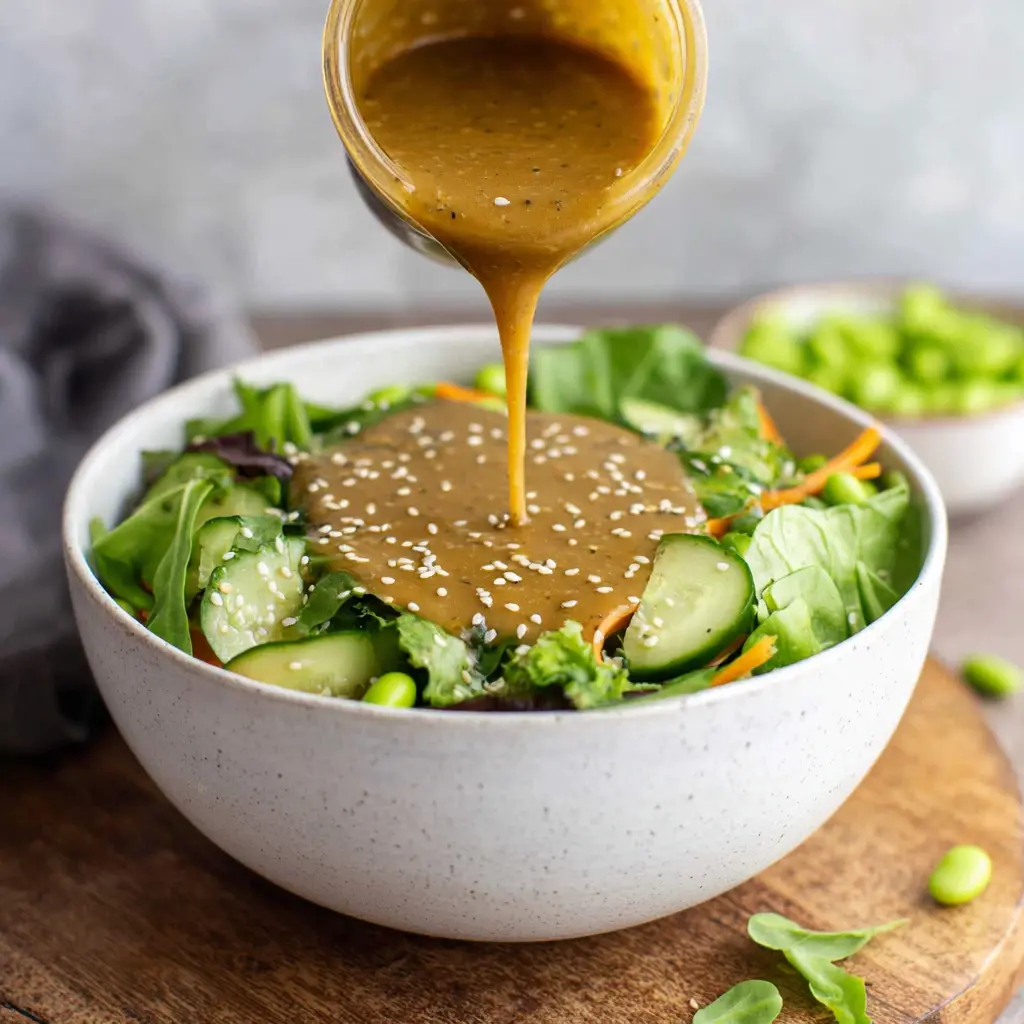
- On a simple green salad: Mixed greens, shredded carrots, cucumber slices, and edamame. Toss with the dressing and top with toasted sesame seeds.
- As a marinade for chicken: Use it as a marinade for grilled or baked chicken breasts. The acidity from the rice vinegar helps tenderize, and the sesame oil adds incredible flavor.
- Over grain bowls: Drizzle it over a bowl of quinoa, brown rice, or farro with roasted veggies, avocado, and tofu or edamame.
- On cold noodle salads: Toss with cooked soba noodles, shredded cabbage, and julienned carrots for a quick, satisfying lunch.
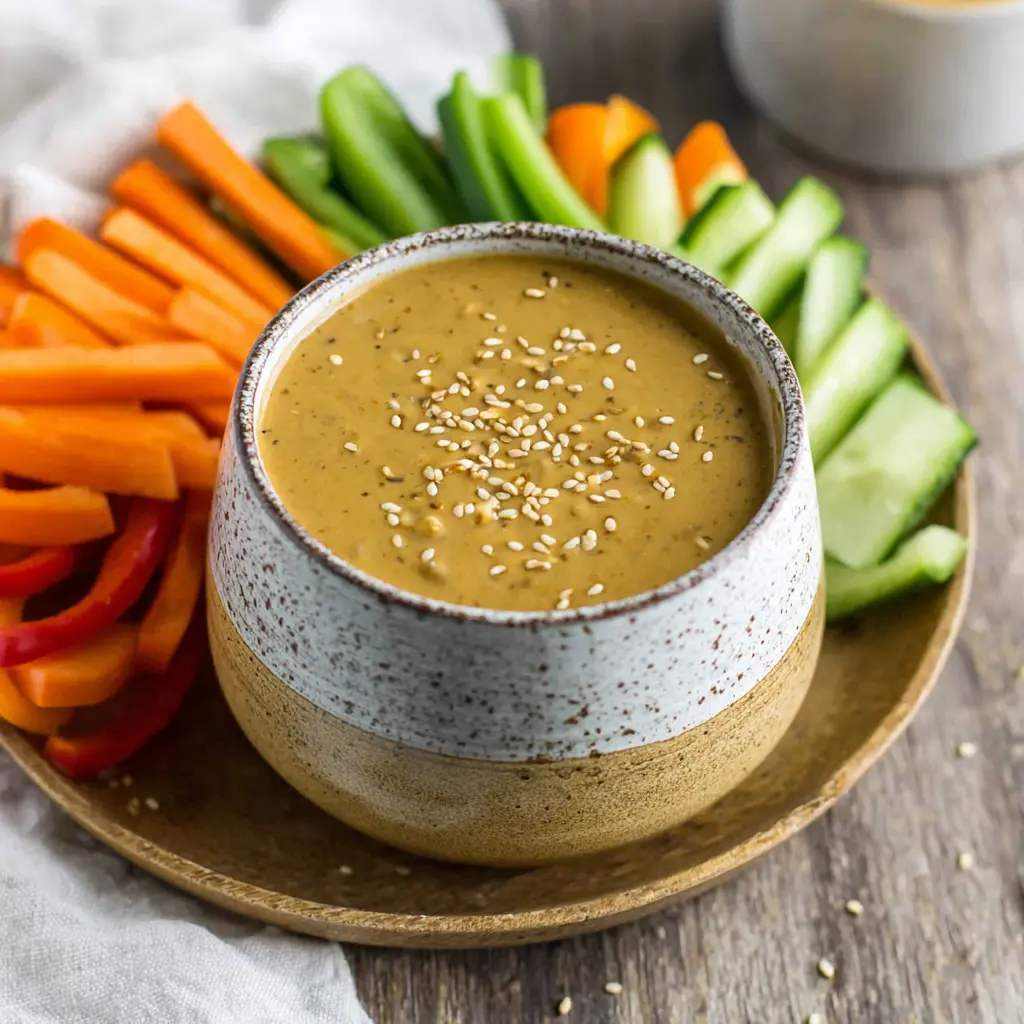
- As a dip: Serve it alongside spring rolls, potstickers, or fresh veggie crudités. It’s thick enough to cling to anything.
- On roasted vegetables: Drizzle over roasted broccoli, green beans, or cauliflower right out of the oven. The nutty sesame flavor pairs perfectly with caramelized edges.
Storing and Shelf Life
This sesame ginger dressing keeps beautifully in the fridge, which makes it perfect for meal prep. Here’s what you need to know.
- Container: Store in a sealed glass jar or airtight container. A mason jar is ideal because you can shake it right before using.
- Refrigerator storage: It will keep for up to one week. After that, the fresh ginger and onion flavors start to fade.
- Separation is normal: The dressing may separate as it sits. That’s totally fine. Just give it a good shake or stir before using. If it’s too thick straight from the fridge, let it sit at room temperature for 5 minutes.
- Freezing: I don’t recommend freezing this dressing. The emulsion can break when thawed, and the texture won’t be the same. Just make a fresh batch when you need it.
For more detailed nutrition information on this type of dressing, you can check out this Health & Nutrition Research reference.
California Sesame Ginger Dressing
Ingredients
Method
- In a blender, combine the minced ginger, minced red onion, rice vinegar, mayonnaise, tahini, toasted sesame oil, and low-sodium soy sauce. Blend until smooth.
- Stop the blender and use a spatula to scrape down any ingredients stuck to the sides, ensuring everything blends evenly.
- Turn the blender back on and, with the removable cap open (or through a small opening), slowly drizzle in the grapeseed oil. This gradual addition helps emulsify the dressing, giving it a creamy, silky texture. Blend until fully smooth.
- Once blended, stir in the freshly ground black pepper and toasted sesame seeds. These add a little crunch and extra flavor to your dressing.
Nutrition
Notes
Tried this recipe?
Let us know how it was!Frequently Asked Questions
Source: Health & Nutrition Research