
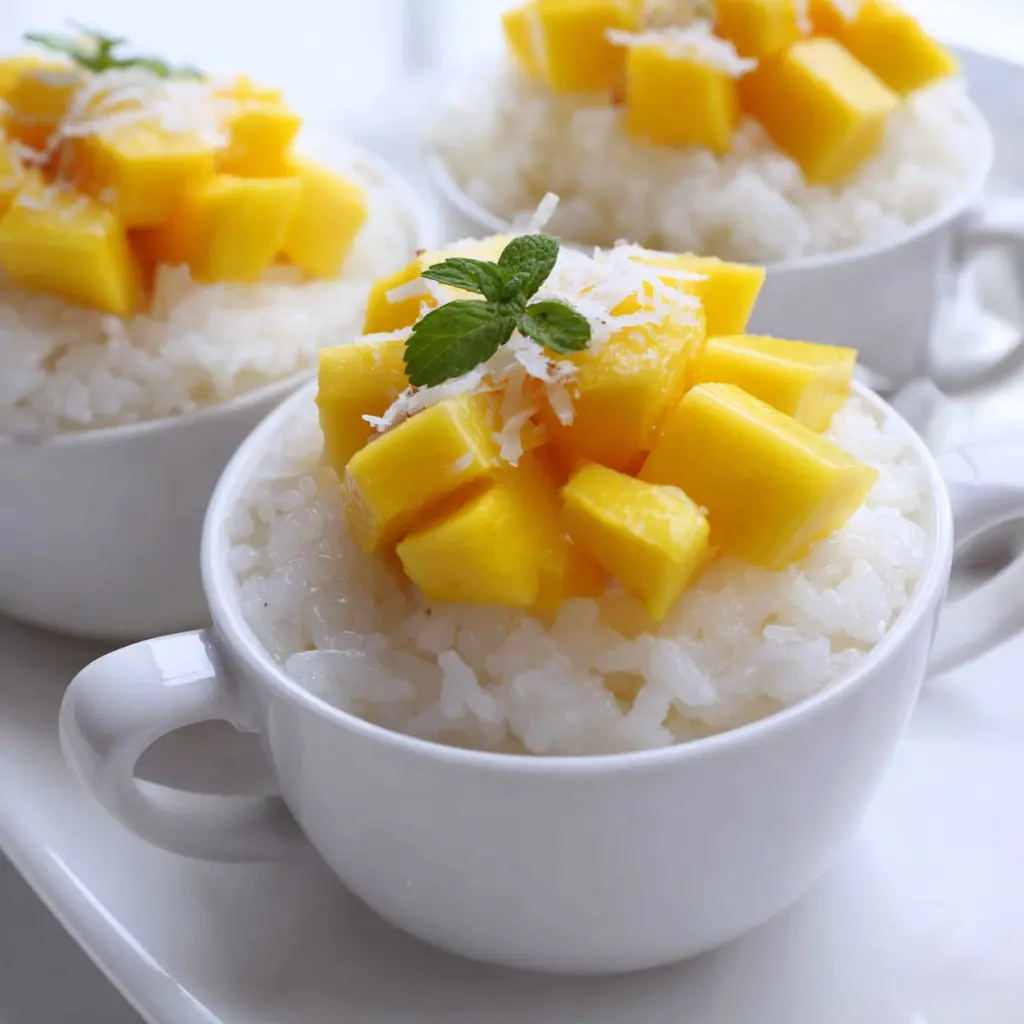
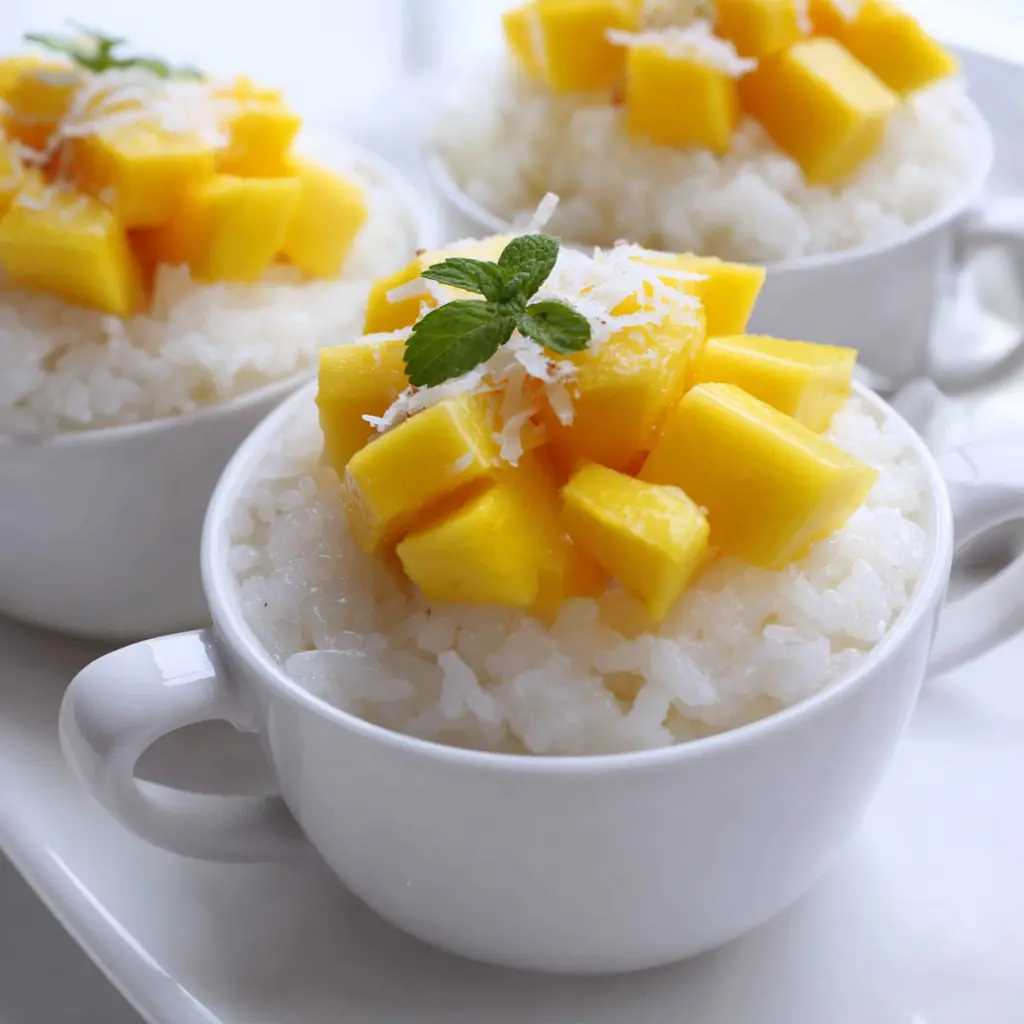
Mango Sticky Rice Cups
Ingredients
Method
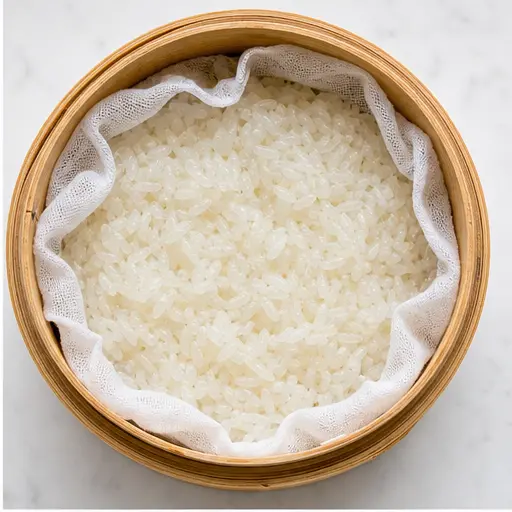
- Drain the soaked sticky rice and place it in a steamer basket lined with cheesecloth. Steam over boiling water for 20 to 30 minutes, until the rice is tender and translucent. Check at the 20-minute mark; if the grains are soft and no longer hard in the center, it is done.
- If you don't have a steamer, form three equal-sized aluminum foil balls and place them in a pot. Add enough water to the pot to reach just below the foil balls. Set a heatproof bowl or plate on top of the foil balls, add the drained rice, cover, and bring to a boil. Steam for 20 to 30 minutes, checking for doneness at 20 minutes.
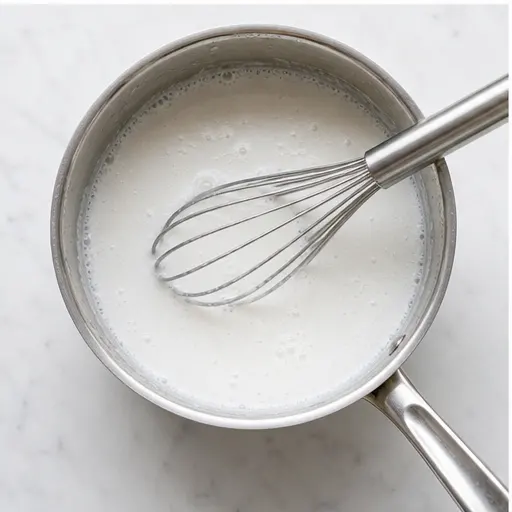
- While the rice steams, prepare the coconut sauce. In a small saucepan, combine 1 cup of coconut milk, sugar, and salt. Bring to a boil, then remove from heat. Pour half of this mixture into a small bowl and set aside.
- In the same saucepan with the remaining coconut milk mixture, stir in the 1 tablespoon of coconut milk and cornstarch. Return to a boil and cook for 2 to 3 minutes, stirring constantly, until the sauce thickens slightly.
- When the rice is done, transfer it to a large bowl. Pour the reserved unthickened coconut sauce over the rice and mix gently. Let the rice cool for 15 to 20 minutes, allowing the flavors to meld.
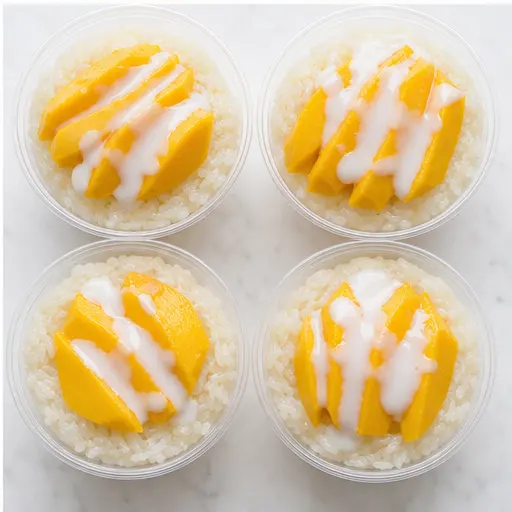
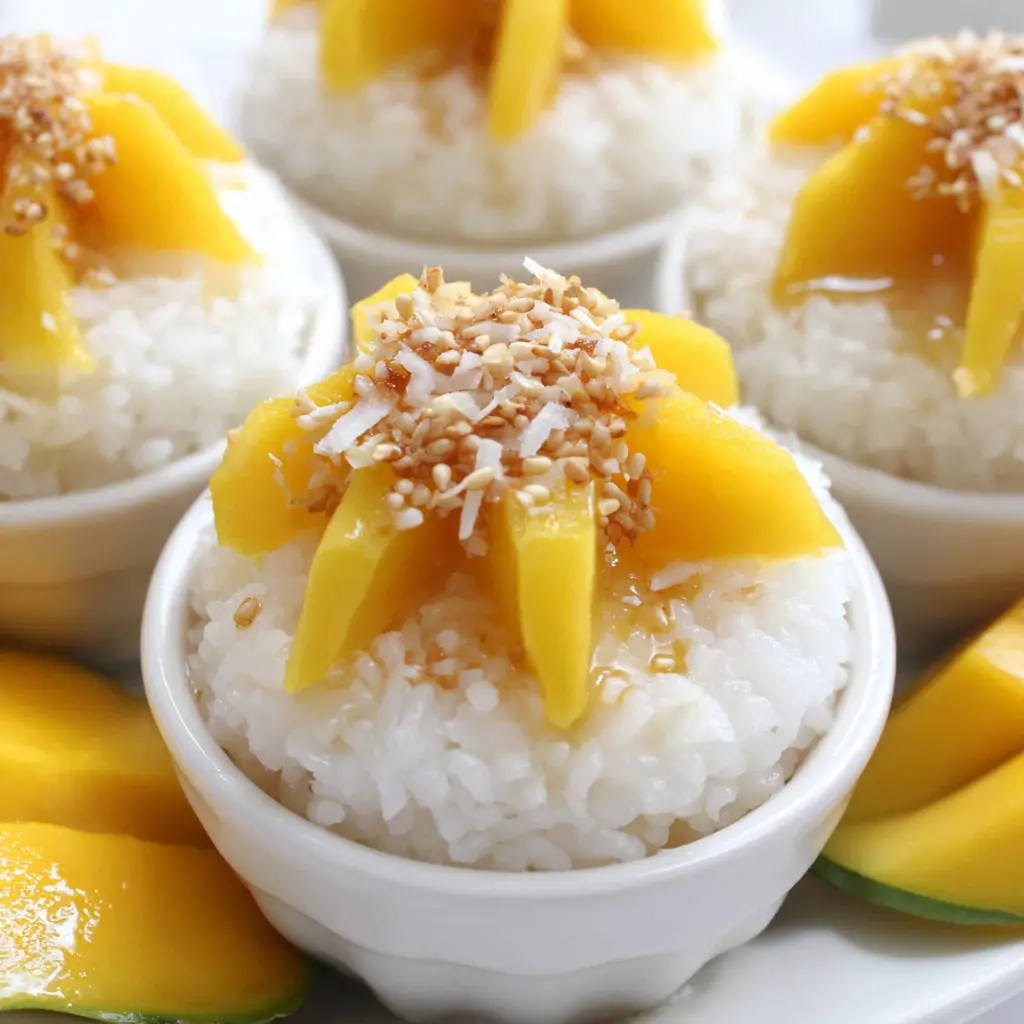
- Once cooled, divide the sticky rice among four serving cups or small bowls. Top each with sliced mango, then drizzle the thickened coconut sauce over the rice. Garnish with toasted sesame seeds.
- Serve immediately and enjoy!
Nutrition
Notes
Tried this recipe?
Let us know how it was!What Are Mango Sticky Rice Cups?
You know that moment at a party when you’re trying to serve a beautiful Thai dessert, but everyone’s awkwardly scooping sticky rice off a communal plate? Yeah, I’ve been there too. That’s exactly why I started making these Mango Sticky Rice Cups. They’re the same beloved classic sweet coconut rice paired with ripe mango but served in individual portions that are way easier to handle.
Think of them as the love child of a traditional Thai dessert and a cupcake. All the flavor of khao neow mamuang, none of the sticky mess. Perfect for backyard BBQs, potlucks, or when you just want a little treat without committing to a whole plate. And honestly? They look way more impressive than they are difficult.
I first made these for a friend’s Memorial Day cookout last spring. I was nervous about bringing a Thai dessert to a burger-and-hot-dog crowd. But let me tell you, these cups disappeared faster than the potato salad. People kept asking if I got them from a fancy Thai cafe. Nope. Just my kitchen.
Ingredients for Mango Sticky Rice Cups
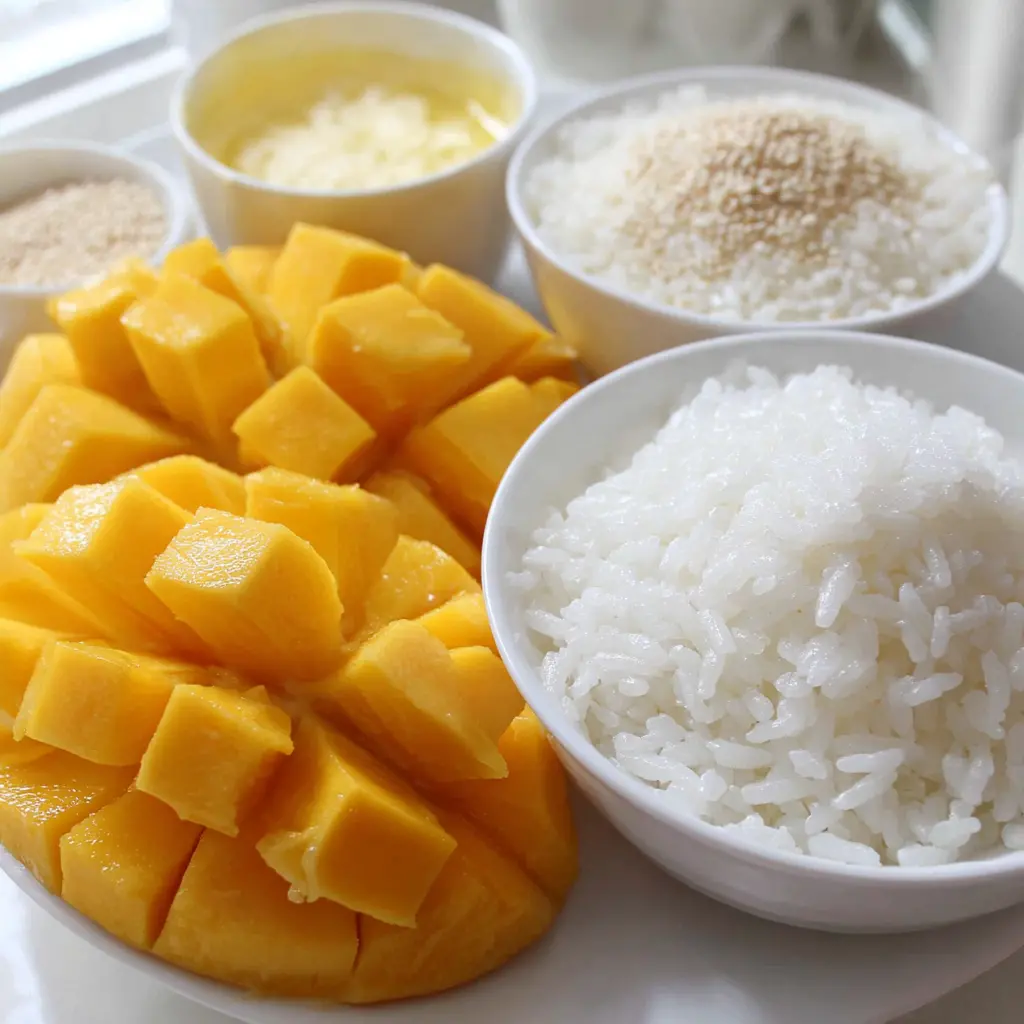
The beauty of this recipe is how few ingredients you need. But each one plays a critical role. Here’s what you’ll need:
- Glutinous sweet rice: This is non-negotiable. Regular jasmine rice won’t work. Look for “sweet rice” or “glutinous rice” at Asian grocery stores or online. It’s the only rice that gives you that signature chewy-tender texture.
- Coconut milk: Full-fat, please. The light stuff just won’t give you that rich, creamy sauce that makes this dessert so special. I use one 13.5 oz can and split it between the rice and the sauce.
- Granulated sugar: Simple white sugar works best here. Don’t reduce it the sweetness balances the mango perfectly.
- Salt: Just a pinch. It sounds weird, but trust me, it makes the coconut flavor pop.
- Cornstarch: A tiny bit thickens the sauce to the perfect drizzling consistency.
- Ripe mangoes: Ataulfo or Champagne varieties are my go-to. They’re sweet, creamy, and have less fiber. Look for mangoes that give slightly when squeezed and smell fragrant at the stem.
- Sesame seeds: Toasted for garnish. That little nutty crunch makes a big difference.
Kitchen Tools You’ll Need
Nothing fancy here. Most of this stuff you probably already have:
- A steamer basket (or a DIY setup more on that below)
- Cheesecloth or a clean kitchen towel
- A medium saucepan
- Small bowls or cups for serving (4-ounce ramekins work great)
- A sharp knife for slicing mango
How to Make Mango Sticky Rice Cups
Alright, let’s get into the actual process. I’ll walk you through the four main stages. The key is to not rush any of them.
Stage 1: Soak and Steam the Rice
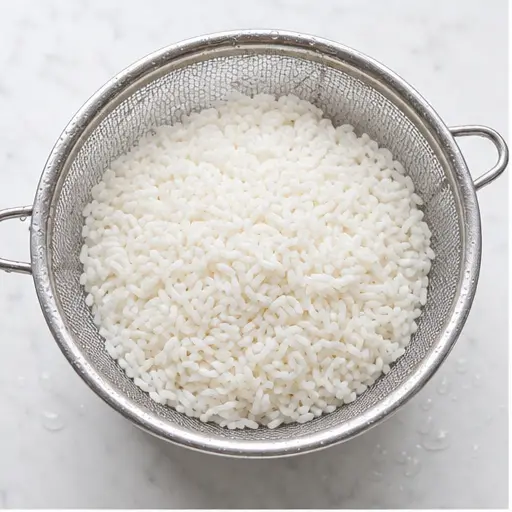
This is where most people mess up. You absolutely must soak the glutinous rice for at least 2 hours, but overnight is better. I know, I know, planning ahead is annoying. But here’s the thing: soaking softens the grains so they steam evenly. Skip this step and you’ll end up with hard, crunchy centers.
After soaking, drain the rice well. Then line your steamer basket with cheesecloth, add the rice, and steam over boiling water for 20 to 30 minutes. Check at the 20-minute mark the grains should be tender and translucent, with no hard white center. If they’re still a bit firm, give them another 5 minutes.
Stage 2: Make the Coconut Sauce
While the rice steams, get the sauce going. In a small saucepan, combine 1 cup of coconut milk, the sugar, and salt. Bring it to a boil, then remove from heat. Pour half of this mixture into a small bowl and set it aside this is for mixing into the rice later.
Back in the saucepan with the remaining coconut milk mixture, stir in that extra tablespoon of coconut milk and the cornstarch. Return to a boil and cook for 2 to 3 minutes, stirring constantly. You’ll see it thicken slightly. This is your drizzle sauce. It should be pourable but not watery.
Stage 3: Mix and Cool the Rice
When the rice is done, transfer it to a large bowl. Pour the reserved unthickened coconut sauce over it and mix gently. I use a folding motion, like I’m handling delicate cake batter. Don’t stir vigorously or you’ll break the grains.
Let the rice cool for 15 to 20 minutes. This is important the rice needs time to absorb all that coconut flavor. You’ll notice it becomes even more fragrant as it sits.
Stage 4: Assemble the Cups
Now for the fun part. Divide the sticky rice among your serving cups. I use 4-ounce ramekins, but any small cup or bowl works. Top each with sliced mango, then drizzle the thickened coconut sauce over everything. Finish with a sprinkle of toasted sesame seeds.
Serve immediately. The contrast of warm rice, cool mango, and creamy sauce is just perfection.
Tips for Perfect Mango Sticky Rice Cups
After making these dozens of times (for science, obviously), here are the things I’ve learned:
- Choose the right mango: Ripe but firm. Ataulfo or Champagne varieties are ideal. Avoid canned or frozen mango the texture just isn’t right.
- Don’t skip the salt: That tiny pinch in the coconut sauce is what makes the flavors sing. It’s not about making it salty; it’s about making everything else taste more like itself.
- Don’t reduce the sugar: I know it’s tempting, but the sweetness is what balances the tangy mango and rich coconut. Cut the sugar and you’ll end up with a flat-tasting dessert.
- Let the rice rest after mixing: That 15-20 minute rest allows the rice to absorb the coconut milk properly. Rushing this step gives you watery rice.
- Toast the sesame seeds: Dry-fry them in a skillet over medium heat for about 2 minutes until golden. It takes almost no effort and adds so much.
Common Mistakes to Avoid
Troubleshooting Your Mango Sticky Rice Cups
❌ Not soaking the rice long enough
✅ Soak for at least 2 hours, preferably overnight. This ensures even cooking.
❌ Using the wrong type of rice
✅ You need glutinous sweet rice. Jasmine or sushi rice won’t give you the right texture.
❌ Overcooking the rice
✅ Check at 20 minutes. The rice should be tender but still hold its shape.
❌ Stirring the rice after adding coconut milk
✅ Fold gently. Vigorous stirring breaks the grains and makes the rice mushy.
❌ Using under-ripe mangoes
✅ The mango should be sweet and fragrant. If it’s sour, the whole dessert suffers.
Storage and Make-Ahead Tips
These Mango Sticky Rice Cups are best served the day you make them. But if you need to prep ahead, here’s how:
- Rice and sauce: You can make both a day ahead. Store the rice and sauce separately in the fridge. Reheat the rice with a splash of water in the microwave, covered with a damp paper towel. Reheat the sauce in the microwave too.
- Mango: Slice it fresh on the day you’re serving. Cut mango can be refrigerated for up to 3 days, but it’ll start to brown.
- Full assembly: If you assemble the cups ahead, the rice will soak up the sauce and get soggy. Better to keep components separate until serving.
- Leftover coconut milk: Cover tightly and refrigerate for up to 5 days. Great for curries or smoothies.
Frequently Asked Questions
When you serve these Mango Sticky Rice Cups at your next garden party, watch them disappear. Your guests will think you got them from some fancy Thai cafe. And you can just smile and say, “Nope, made ’em myself.”
For more inspiration, check out my Pinterest board for more tropical dessert ideas.
Source: Nutritional Information