
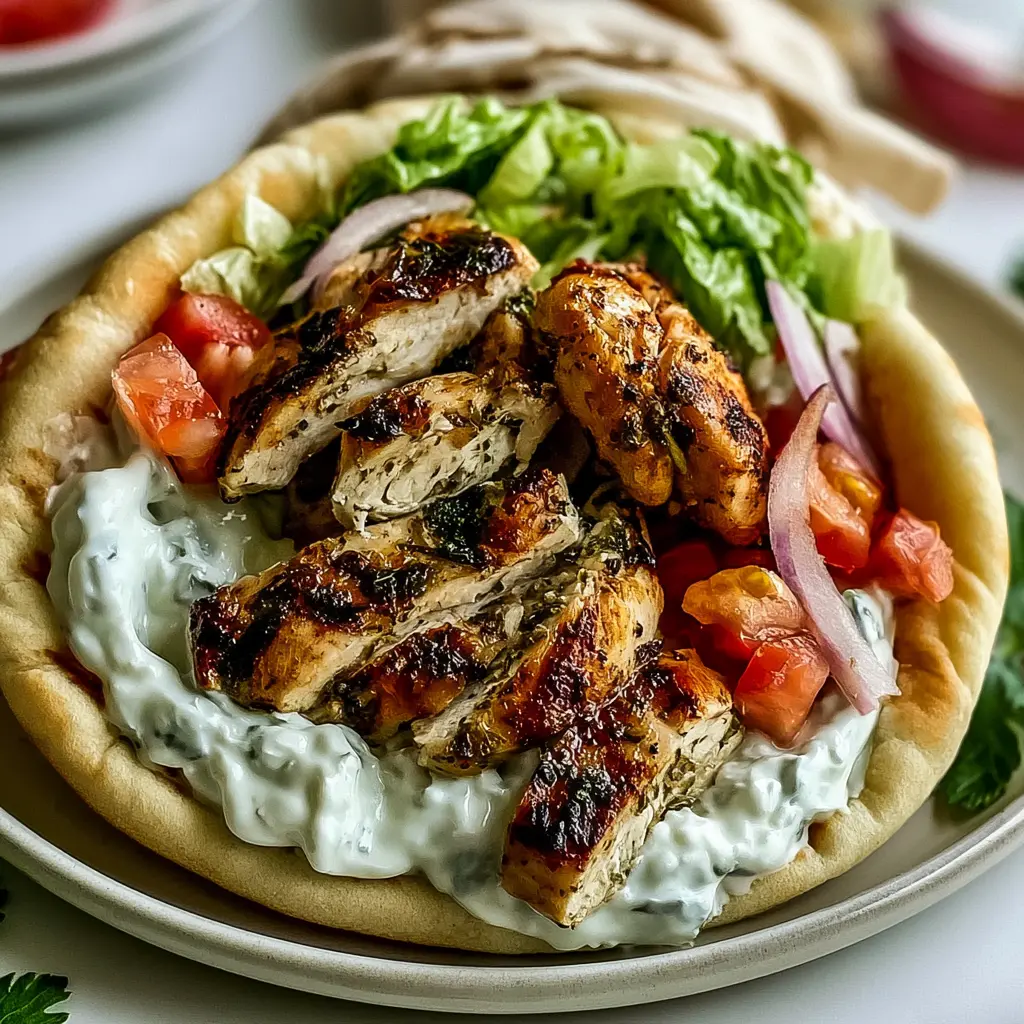
Why You’ll Love Greek Chicken Gyros
I still remember the night I dropped $60 on takeout gyros that arrived cold, soggy, and honestly kind of sad. The pita was rubbery, the chicken was dry, and my kids took one bite before asking if we could just order pizza. That’s the night I decided to figure out how to make greek chicken gyros at home that actually taste like the ones from the little spot on the corner.
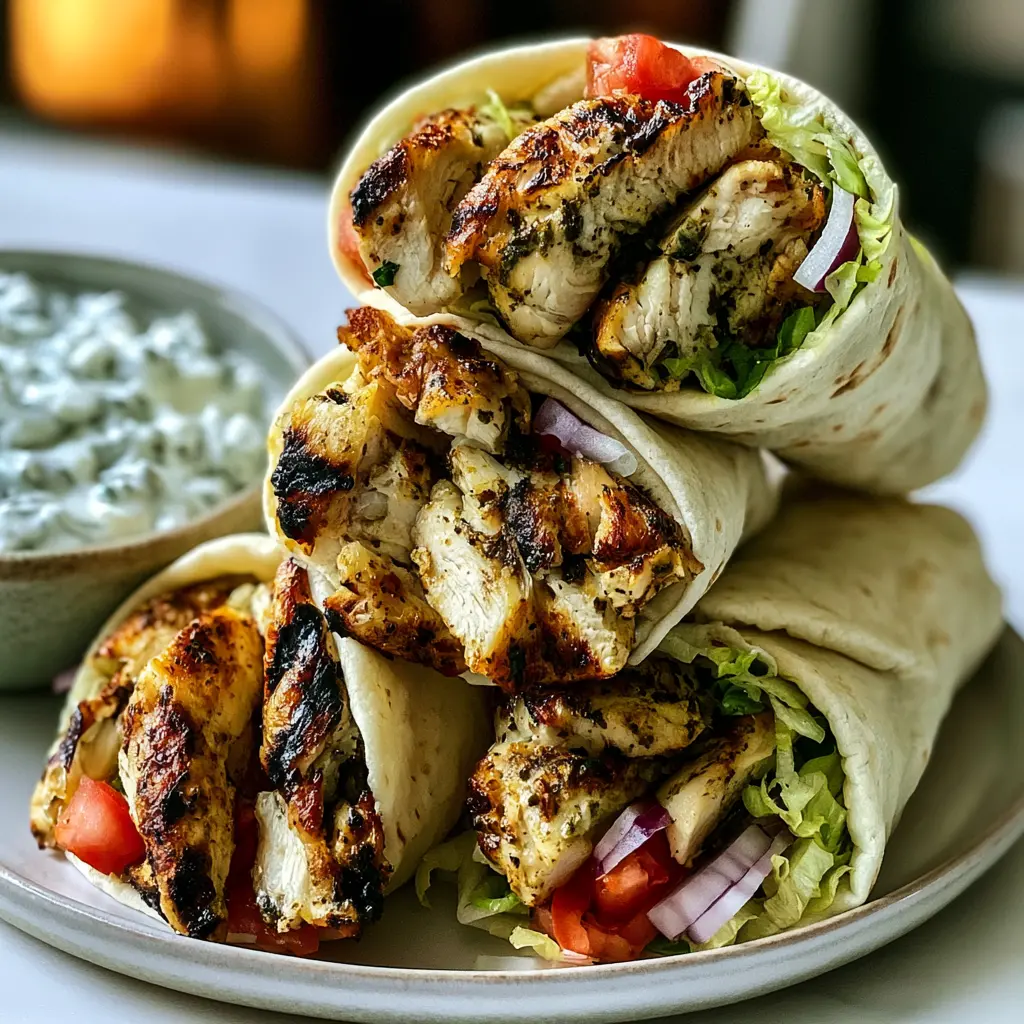
Spoiler: it took a few tries. But once I nailed the Meyer lemon marinade, the garlicky tzatziki, and the whole warm pita thing, we never looked back. These greek chicken gyros have everything you want. Juicy charred chicken, cool creamy sauce, crisp veggies, all wrapped in bread that actually bends instead of shattering. It’s basically a mediterranean chicken wrap situation, but way better.
And the best part? The whole dinner comes together in about 30 minutes of active time. That’s faster than waiting for delivery, honestly.
Also, it’s August right now, which means tomatoes and cucumbers are at their peak. Perfect timing, if you ask me.
Ingredients for Greek Chicken Gyros
The ingredient list here is short, but every single thing earns its place. Let me walk you through it, because a couple of these matter more than you’d think. This is the kind of greek chicken gyros recipe you’ll memorize after making it twice.
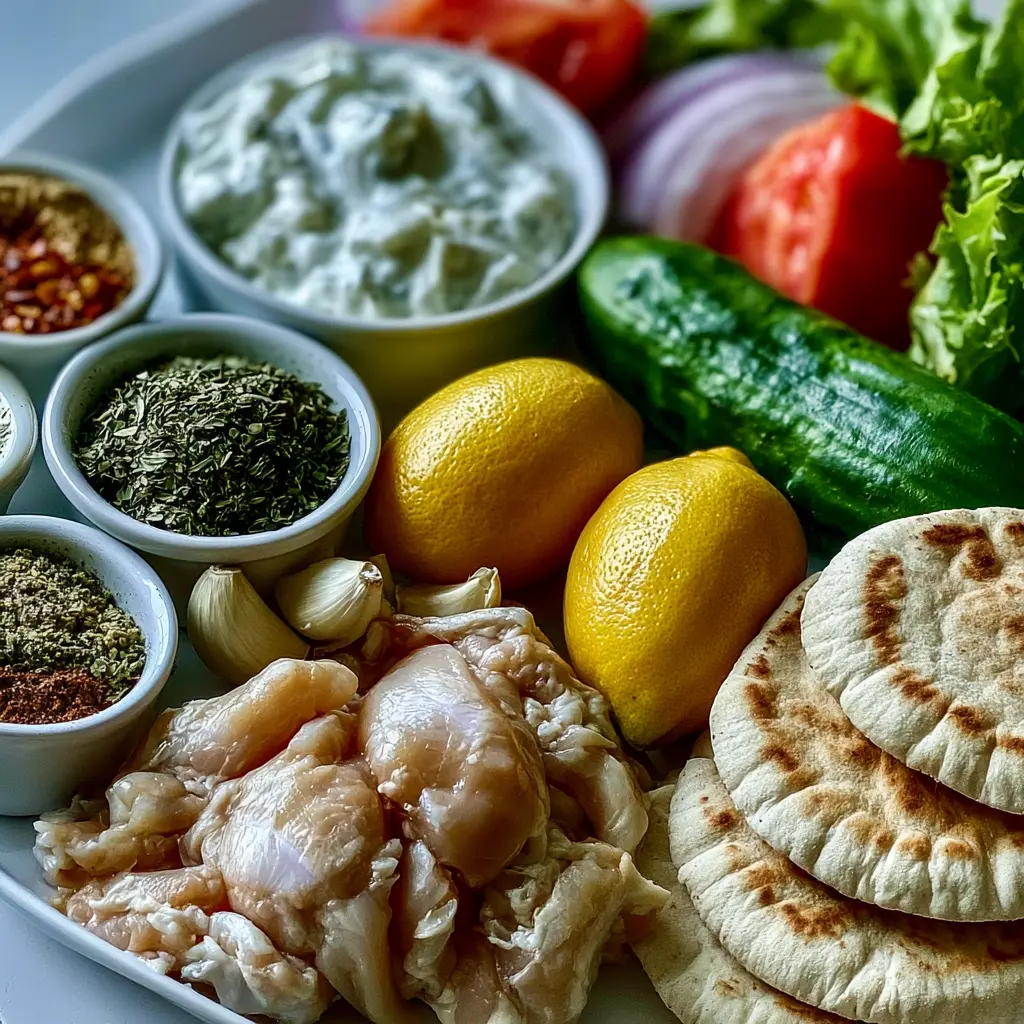
Greek Chicken Gyros Marinade Ingredients
The star is the marinade. It’s a chicken marinade lemon garlic oregano situation, and it does all the heavy lifting. You’ll mix California extra-virgin olive oil, fresh Meyer lemon juice and zest, minced garlic, dried oregano, dried thyme, ground cumin, and paprika. That spice combo gives the chicken that warm, slightly smoky depth you associate with restaurant style gyros at home.
A few notes from my own kitchen:
- Meyer lemons are sweeter and less sharp than regular ones. Can’t find them? Regular lemons work fine, just ease up on the juice.
- Chicken thighs stay juicier than breasts, straight up. If you use breasts, pound them to an even thickness before marinating so they cook evenly.
- Don’t skip the cumin. It’s what makes this taste like a real gyro seasoning spice blend instead of just lemon chicken.
Tzatziki Sauce Ingredients
The homemade tzatziki sauce recipe here is simple: full-fat Greek yogurt, grated cucumber that you squeeze really dry, garlic, fresh dill, Meyer lemon juice, olive oil, salt, and pepper. That’s it.
Full-fat yogurt is non-negotiable for me. It makes the sauce thick and creamy instead of watery. And yes, you really do need to squeeze the cucumber. Like, squeeze until you think it’s dry, then squeeze again. That’s the whole secret to how to thicken tzatziki without any fancy tricks.
For assembly, grab pita bread, red onion, ripe tomatoes, and shredded lettuce. The tomatoes matter. August tomatoes are sweet and juicy, and they make the whole wrap taste like summer.
How to Make Greek Chicken Gyros
This is one of those recipes that feels way more impressive than the effort it takes. Let me break it into four stages so you can see the rhythm.
Step 1: Marinate the Chicken
Whisk together the olive oil, Meyer lemon juice and zest, garlic, oregano, thyme, cumin, paprika, salt, and pepper in a bowl. Add the chicken and turn to coat every piece evenly. Cover and refrigerate for at least 1 hour, or overnight if you have the time. The longer it sits, the deeper the flavor gets, but don’t go past 24 hours. After that, the lemon starts to break down the meat texture.
Quick tip: toss everything in a zip-top bag, squish it around, set a timer. That’s my whole method on a Tuesday night. This greek yogurt chicken marinade style approach works because the acid and oil carry the seasonings right into the meat.
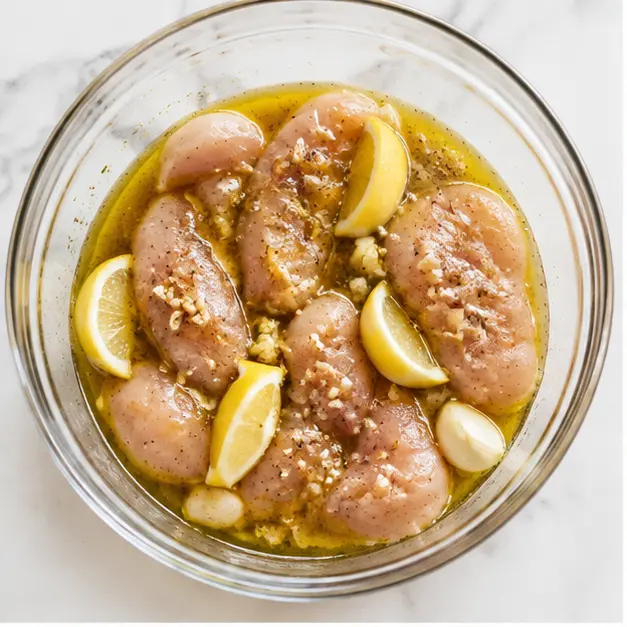
Step 2: Make the Tzatziki
Grate the cucumber on the large holes of a box grater. Then squeeze out as much liquid as you possibly can using your hands or a clean kitchen towel. I cannot overstate this part, watery tzatziki is the saddest thing in the world.
Stir the squeezed cucumber into the Greek yogurt with the garlic, dill, lemon juice, olive oil, salt, and pepper until smooth. Chill it while the chicken does its thing. The flavors need a few minutes to get friendly with each other.
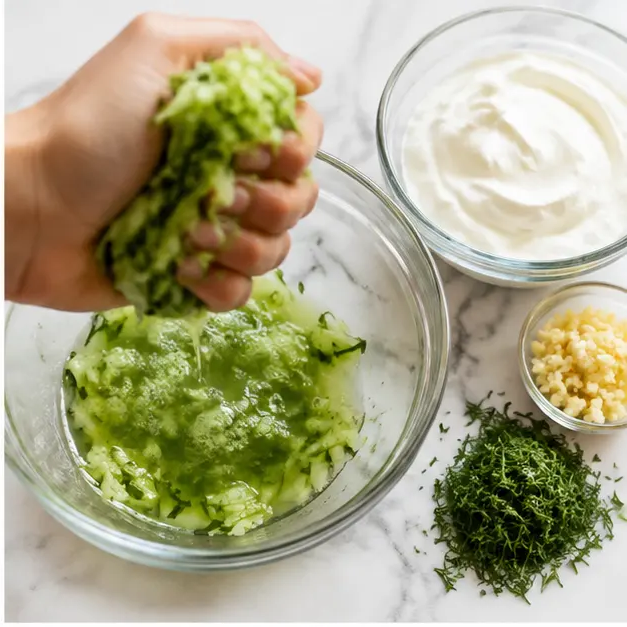
Step 3: Cook the Chicken
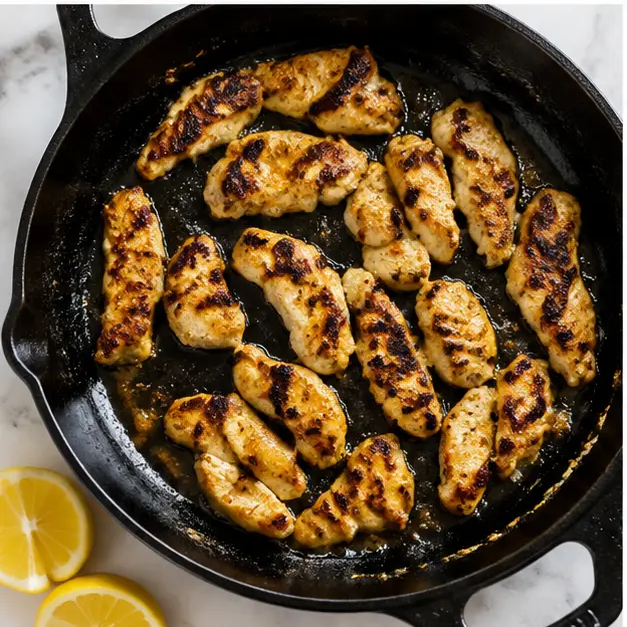
Heat a grill or cast-iron skillet over medium-high heat. Cast iron gives you that beautiful char without sticking, and it holds heat like a champ. Cook the marinated chicken for 5 to 7 minutes per side, until it’s charred on the edges and the internal temperature for grilled chicken hits 165°F at the thickest part. That’s how to keep chicken moist every single time.
Here’s where a lot of people mess up: they pull the chicken off too early or leave it too long. An instant-read thermometer is your best friend. No guessing, no dry chicken.
Once it’s done, transfer the chicken to a cutting board and let it rest for 5 minutes. This keeps the juices locked in, so when you slice it, you get those shiny, moist pieces instead of sad dry shreds. Then slice it thinly against the grain. These skillet chicken gyros are about to be your new weeknight staple.
Step 4: Warm the Pita and Assemble
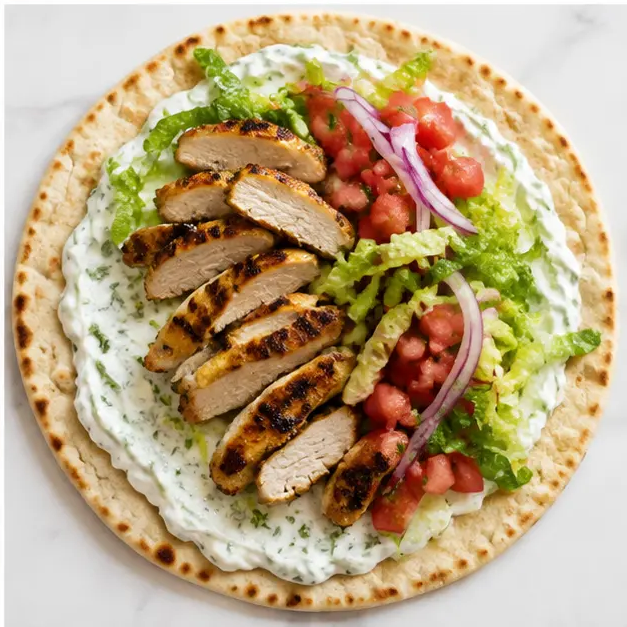
Warm the pita bread on the grill, in a dry skillet, or directly over a gas flame for about 30 seconds per side. It should go soft and pliable, not crispy. That’s the warm pita wrap technique: you want it bendable, not brittle.
Now for the fun part. Spread a generous layer of tzatziki over each warm pita. Add the sliced chicken, red onion, tomatoes, and lettuce. Fold and serve immediately.
Why does tzatziki go on first? It acts like a barrier between the bread and the juicy chicken, so your pita doesn’t turn into a soggy mess by the time you sit down. The cucumber tomato red onion topping goes on top, and every bite has crunch, cream, and char all at once.
Greek Chicken Gyros Cooking Options
Not everyone wants to fire up a grill, and that’s totally fine. Here’s how to adapt these greek chicken gyros to whatever you’ve got going in your kitchen:
- Cast-iron skillet: My go-to for weeknights. Medium-high heat, a little patience, and you get the same char as a grill without leaving the house.
- Outdoor grill: Perfect for summer. The smoky char takes the gyros to another level, and it keeps the kitchen cool during a heat wave.
- Air fryer: Great when you don’t want to watch the stove. Cook until the internal temperature hits 165°F, flipping halfway. Air fryer gyros are a real thing and they work.
- Oven: You can bake the chicken at 375°F until cooked through, then hit it with a quick broil for char. Not quite the same as grilling, but it works in a pinch.
Whatever method you choose, the target is 165°F and a little char on the edges. That char is where the flavor lives.
Make-Ahead Greek Chicken Gyros
This recipe is honestly made for busy weeks. You can prep almost everything ahead of time, and it makes entertaining feel like a breeze:
- Marinade: Mix it up to 2 to 3 days ahead and keep it in an airtight container in the fridge.
- Tzatziki: This actually gets better after a day in the fridge. Make it 2 to 3 days ahead and let the garlic and dill mingle.
- Freeze the chicken raw in the marinade: Pop it in an airtight freezer-safe container for up to 3 months. Thaw overnight in the fridge, then massage the chicken well before cooking to smooth out any curdling from the freezing process.
Having the tzatziki done on Sunday night means Wednesday-you is just 15 minutes away from a spectacular dinner. That’s the kind of meal prep I can genuinely get behind.
What to Serve with Greek Chicken Gyros
These gyros are a full meal on their own, but if you’re feeding a crowd or want some variety, here’s what works beautifully:
- A greek salad side dish: Tomatoes, cucumber, olives, feta, and a simple olive oil dressing. It rounds out the meal without weighing anyone down.
- A deconstructed gyro bar: Set out pita triangles, sliced chicken, cucumber, tomato, hummus, and tzatziki, then let everyone build their own plate. This is a lifesaver for picky eaters.
- A gyro bowl with rice: Skip the pita entirely and serve everything over rice. It’s the same energy, just easier to eat with a fork.
- Optional toppings: Sliced California avocado, feta cheese crumbles, or Kalamata olives add a nice local twist if you’re feeling extra.
I’m a sucker for a gyro bowl when I want flavors without wrestling with wrappers. Same greek chicken gyros experience, zero pita collapse drama.
Tips for the Best Greek Chicken Gyros
Let me save you some trial and error. Here are the mistakes I’ve made so you don’t have to, straight from my kitchen to yours:
- Skipping the yogurt marinade. This is the number one mistake. The acid in Greek yogurt tenderizes the chicken, and the thick paste-like texture clings to the meat so it actually absorbs the lemon, garlic, and oregano instead of just wearing them. A thin marinade slides right off.
- Marinating too long. I once left chicken in the marinade for two days and it came out mushy. The sweet spot is 1 to 24 hours. Overnight is perfect, but even 30 minutes makes a real difference.
- Cooking by sight instead of temperature. The second you see dry, pale edges, it’s already too late. Use an instant-read thermometer and pull the chicken at exactly 165°F. No guessing, no excuses.
- Skipping the rest. I know you’re hungry. The kitchen smells incredible. But slicing into the chicken immediately lets every last drop of juice run onto the cutting board. Give it 5 minutes. That’s all I’m asking.
- Not butterflying thick breasts. If you’re using chicken breasts, this step decides whether dinner is a triumph or a disaster. Two thinner cutlets cook evenly. One thick breast cooks unevenly, period.
- Winging the tzatziki. Either you skip squeezing the cucumber and get watery sauce, or you use low-fat yogurt and it thins out. Full-fat yogurt and a serious squeeze with a clean kitchen towel fix both problems.
- Serving cold pita. It cracks. Then the filling falls out, and suddenly you’re eating a greek chicken salad with a fork while the pita goes in the trash. Warm it, always.
How to Store and Reheat Leftover Gyros
Gyros are one of those rare meals that make excellent leftovers, but only if you store the components separately. The second you assemble a gyro and let it sit, the tzatziki soaks into the pita and the whole thing turns into a sad, soggy mess.
Storage
- Cooked chicken: Keep it in an airtight container in the fridge for up to 4 days, or freeze for up to 3 months. Put a small piece of parchment between the sliced pieces so you can pull out just what you need without thawing the whole batch.
- Tzatziki: Same timeline, 4 days in the fridge. It honestly gets better overnight as the garlic and dill meld together.
- Pita: Room temperature is the move. Pop it in a zip-top bag or wrap it in foil and keep it on the counter. The fridge dries it out.
- Veggies: Keep them in their own container and expect the crunch to fade after day two. Best eaten fresh, but they’ll survive.
Reheating Without the Sadness
The microwave is not your friend here. At least not for the chicken, and definitely not for the pita.
- Chicken: Reheat gently in a skillet over medium-low heat with a splash of chicken broth or water, covered, until just warmed through. The steam brings the moisture back. If you must use the microwave, cover the plate with a damp paper towel and heat in 30-second bursts.
- Pita: Dry skillet or direct gas flame for 30 seconds per side. It’ll come back soft and pliable, not rubbery like the microwave leaves it.
- Tzatziki: Cold is correct. Do not heat the sauce. The temperature contrast with the warm chicken is part of what makes gyros so good.
Variations and Substitutions
This recipe plays nice with substitutions, which is exactly what you need when the grocery store rearranges everything or your picky eater has opinions. Here are the swaps I’ve personally tested and actually recommend:
Chicken Cuts
- Chicken thighs: My personal favorite for gyros. More fat means more flavor and a much bigger margin for error. Cook about 6 to 8 minutes per side, depending on thickness, and always check for 165°F.
- Chicken tenderloin: Lean but genuinely juicy if you pull it at the right temperature. Sear about 4 to 5 minutes per side. It’s a great option when you want something quick.
- Chicken breasts: Totally workable, but butterfly them or pound them flat so they cook evenly. You already know this if you read the tips section.
Dietary Adaptations
- Dairy-free: Use a thick dairy-free Greek-style yogurt for both the marinade and the tzatziki. Coconut-based yogurt is my pick. Squeeze the cucumber even drier to keep everything thick and luscious.
- Gluten-free: Swap the pita for gluten-free pita or roll the whole thing in large, sturdy lettuce leaves. The filling itself is naturally gluten-free, so you’re only swapping the wrap.
- Low-carb: Skip the pita entirely and build a gyro bowl with cauliflower rice or extra greens. Same flavors, zero wrapper drama. This is honestly my husband’s favorite way to eat this.
Quick Flavor Swaps
- No Meyer lemons? Regular lemons work, just use a touch less juice since they’re sharper.
- Fresh oregano instead of dried? Use triple the amount. Fresh herbs are lighter and need more volume to match dried.
- No Greek yogurt for the marinade? Plain whole-milk yogurt works as long as it’s thick, not watery.
Greek Chicken Gyros FAQ
How long can I marinate the chicken?
Minimum 30 minutes, maximum 24 hours. Beyond 24 hours, the acid in the lemon and yogurt starts breaking down the meat’s texture, and nobody wants mushy chicken. Overnight is the sweet spot for maximum flavor without any texture issues.
Can I use chicken thighs instead of breasts?
Yes, and honestly, I prefer them for gyros. Thighs have more fat, which keeps them moist and forgiving even if you’re distracted by whatever the kids are doing. Just cook to 165°F at the thickest part and adjust your time to about 6 to 8 minutes per side.
How do I make tzatziki thicker?
You didn’t squeeze the cucumber dry enough. Grate it, wrap it in a clean kitchen towel, and wring it out like you mean it. Then wring it again. If it’s still loose after that, stir in an extra spoonful of Greek yogurt and let it chill for an hour. Cold tzatziki naturally thickens as it rests.
What’s the best way to warm pita bread?
A dry cast-iron skillet or directly over a gas flame for 30 seconds per side. You want it soft and pliable like a towel, not crispy or charred. Skip the microwave, it makes pita rubbery and sad.
Can I cook the chicken on skewers?
Absolutely. Thread marinated chicken onto metal skewers or wooden ones soaked in water for 30 minutes, then grill over medium heat, turning occasionally, until cooked through to 165°F. It’s a great option for summer cookouts when you want that street-food vibe.
How do I keep leftover gyros from getting soggy?
Never assemble ahead of time. Store the chicken, tzatziki, pita, and veggies separately, then build fresh when you’re ready to eat. And always spread tzatziki on the pita first. It acts as a moisture barrier that protects the bread from the chicken juices.
Can I make the tzatziki dairy-free?
Yes, use a thick dairy-free Greek-style yogurt. Coconut-based works best in my experience. Just squeeze the cucumber extra dry and you’re good to go. The flavor won’t be identical, but it’s genuinely delicious in its own way.
Expert Notes & Data Insights
After testing this recipe more times than I can count, here’s what I want you to keep in your back pocket.
The Greek yogurt marinade isn’t a gimmick, it’s actual food science. The lactic acid in yogurt gently breaks down the protein strands in the chicken, tenderizing the meat while the thick, paste-like texture clings to the surface. That means every single bite carries the Meyer lemon, garlic, and oregano, not just the outside. A thin marinade simply can’t do that.
From everything I’ve learned making greek chicken gyros at home, the three most common problems people hit are: not marinating long enough, cooking past 165°F, and skipping the cucumber squeeze. Fix those three things and you’re about 90% of the way to a perfect gyro night. The last 10% is warming the pita, which takes 60 seconds and changes everything. Cold pita cracks. Warm pita bends, hugs the filling, and makes the whole thing taste like street food excellence instead of a Tuesday night scramble.
I still laugh when I think about that $60 takeout order that sparked all of this. But honestly, I’m grateful for it. It pushed me to figure out how to make greek chicken gyros at home that are juicier, fresher, and more flavorful than anything I could order in. And now that this recipe lives in my regular rotation, takeout doesn’t stand a chance.
So go forth. Marinate the chicken. Squeeze the cucumber until your hands hurt. Warm the pita. You’ve got this.