
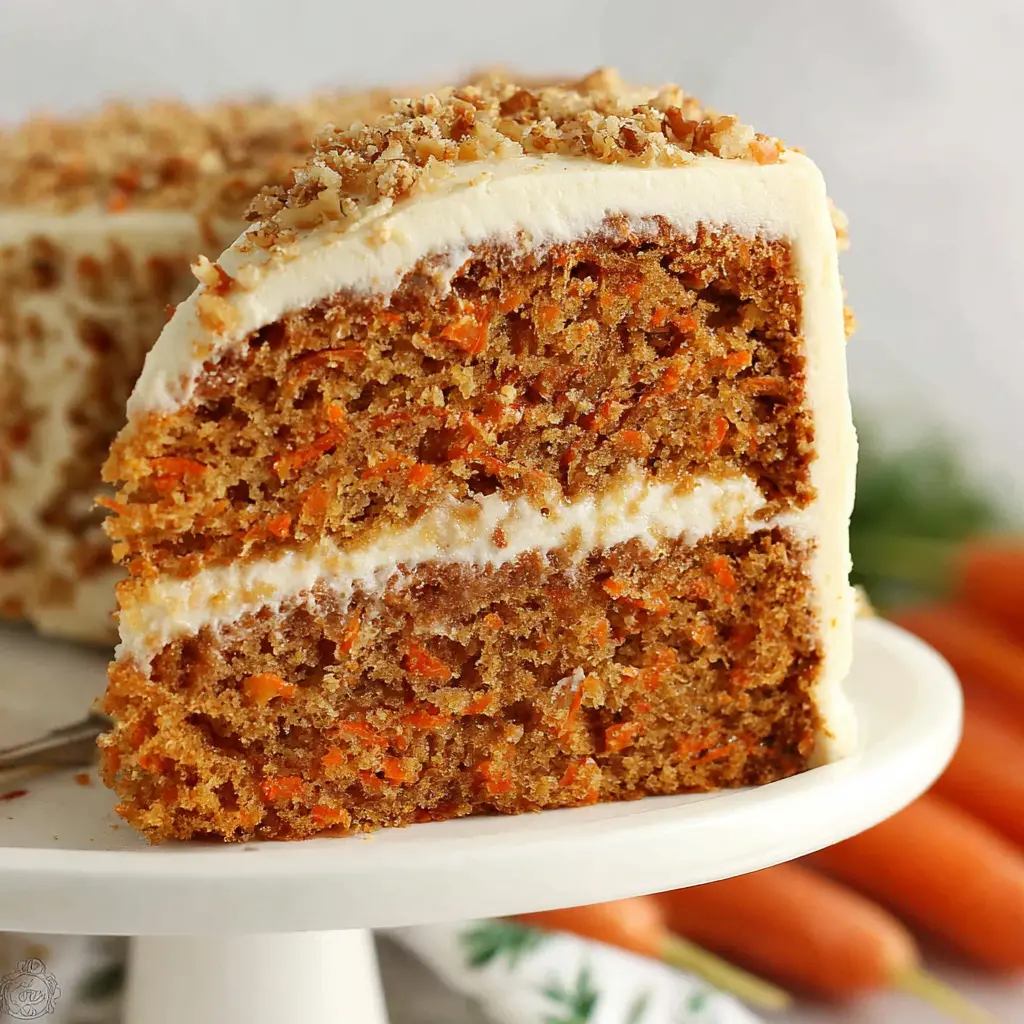
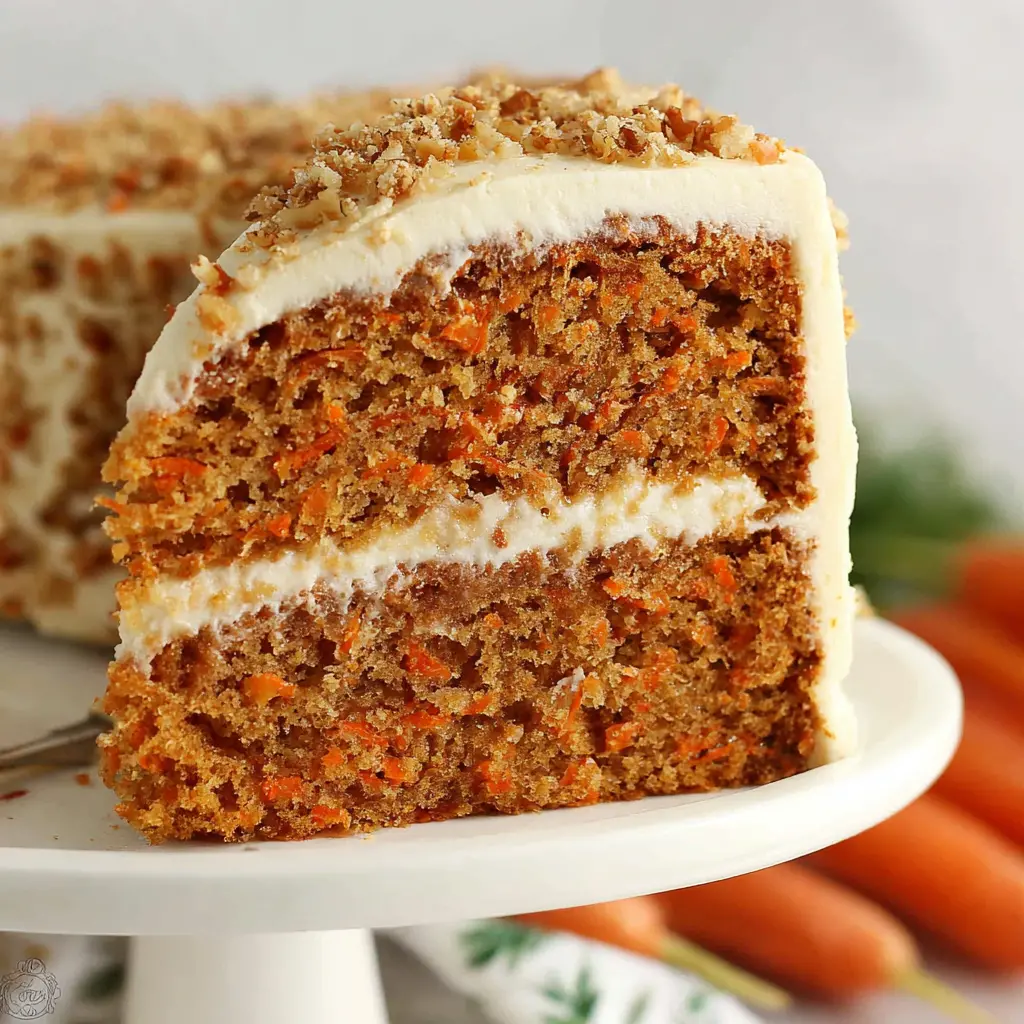
Brown Butter Carrot Cake with Cream Cheese Frosting
Ingredients
Method
- Preheat the oven to 350°F. Line three 8-inch round cake pans with parchment paper and grease the sides. Alternatively, grease a 9x13-inch baking pan.
- In a large bowl, whisk together the flour, cinnamon, ginger, cloves, baking powder, baking soda, and salt.
- In the bowl of a stand mixer fitted with the paddle attachment, beat the eggs, granulated sugar, and brown sugar on medium speed until thickened, about 4 minutes. With the mixer running on low, slowly drizzle in the oil, then add the vanilla extract.
- Alternate adding the dry ingredients and the buttermilk in three additions of dry and two of buttermilk, starting and ending with dry. Mix until just combined after each addition. Fold in the grated carrots with a rubber spatula, scraping the bottom and sides of the bowl.
- Divide the batter evenly among the prepared cake pans (or pour into the 9x13 pan). Tap the pans on the counter a few times to release air bubbles. Bake until a toothpick inserted in the center comes out clean—18 to 22 minutes for 8-inch rounds, or 27 to 32 minutes for the 9x13 pan.
- Let the cakes cool in the pans on a wire rack for 10 minutes, then turn them out onto the rack to cool completely.
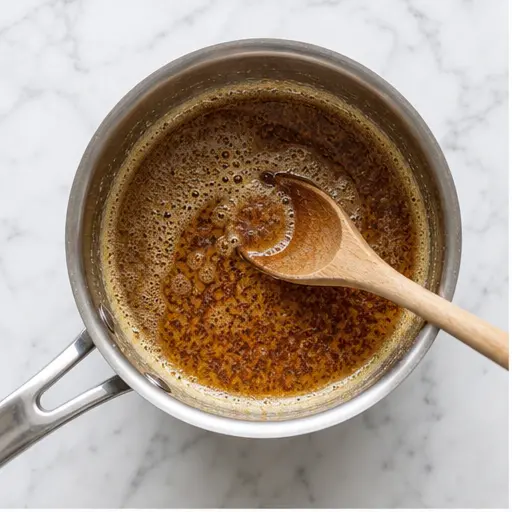
- In a small saucepan over medium-low heat, melt the butter. Cook, stirring occasionally, until the butter turns golden brown and smells nutty, and brown bits form on the bottom. Immediately remove from heat and pour into a heatproof bowl, including the brown bits. Refrigerate until the butter is solid but still soft, about 45 minutes to 1 hour, stirring every 15 minutes.
- In a large bowl, beat the chilled brown butter, cream cheese, vanilla extract, and salt until smooth and creamy.
- Gradually add the powdered sugar, beating on low speed until incorporated, then increase to medium-high and beat for 1 minute until light and fluffy. If needed, adjust consistency with a splash of milk or extra powdered sugar.
- Place one cake layer on a serving plate. Spread about one-third of the frosting on top. Repeat with remaining layers. For a 9x13 cake, spread all the frosting over the top. Garnish with toasted pecans. Refrigerate for at least 30 minutes to set before slicing.
Nutrition
Notes
Tried this recipe?
Let us know how it was!Why This Brown Butter Carrot Cake Works
I still remember the first time I browned butter. I was making a batch of cookies, and I got distracted. The butter started sizzling, then it turned this incredible golden amber color. And the smell? Oh my gosh, it was like toasted hazelnuts and caramel all at once. I knew right then I had to put it in a carrot cake.
And let me tell you, it was a total game changer. This brown butter carrot cake is everything you want in a spring dessert. It’s incredibly moist, thanks to buttermilk and oil. It’s packed with warm spices. And the brown butter? It adds this deep, nutty, almost caramelized flavor that plain butter just can’t touch.
I’ve made a lot of carrot cakes in my day. Some were good. Some were… dry and disappointing. I’m not afraid to admit that. One time, I was in a rush and used pre-shredded carrots. The cake turned out so dry and the texture was all wrong. It was a mess. But this recipe? It’s foolproof. Every single time I’ve made it, the crumb is tender and soft, and the flavor is absolutely incredible. It’s the kind of cake that makes people close their eyes when they take a bite. I’m not kidding.
So if you’re nervous about trying a new technique like browning butter, don’t be. I’m going to walk you through every single step. By the time you’re done, you’ll have a showstopper dessert that looks like it came from a fancy bakery. And the best part? It actually tastes even better on day two. The flavors just meld together and get even more amazing.
Let’s get started, shall we?
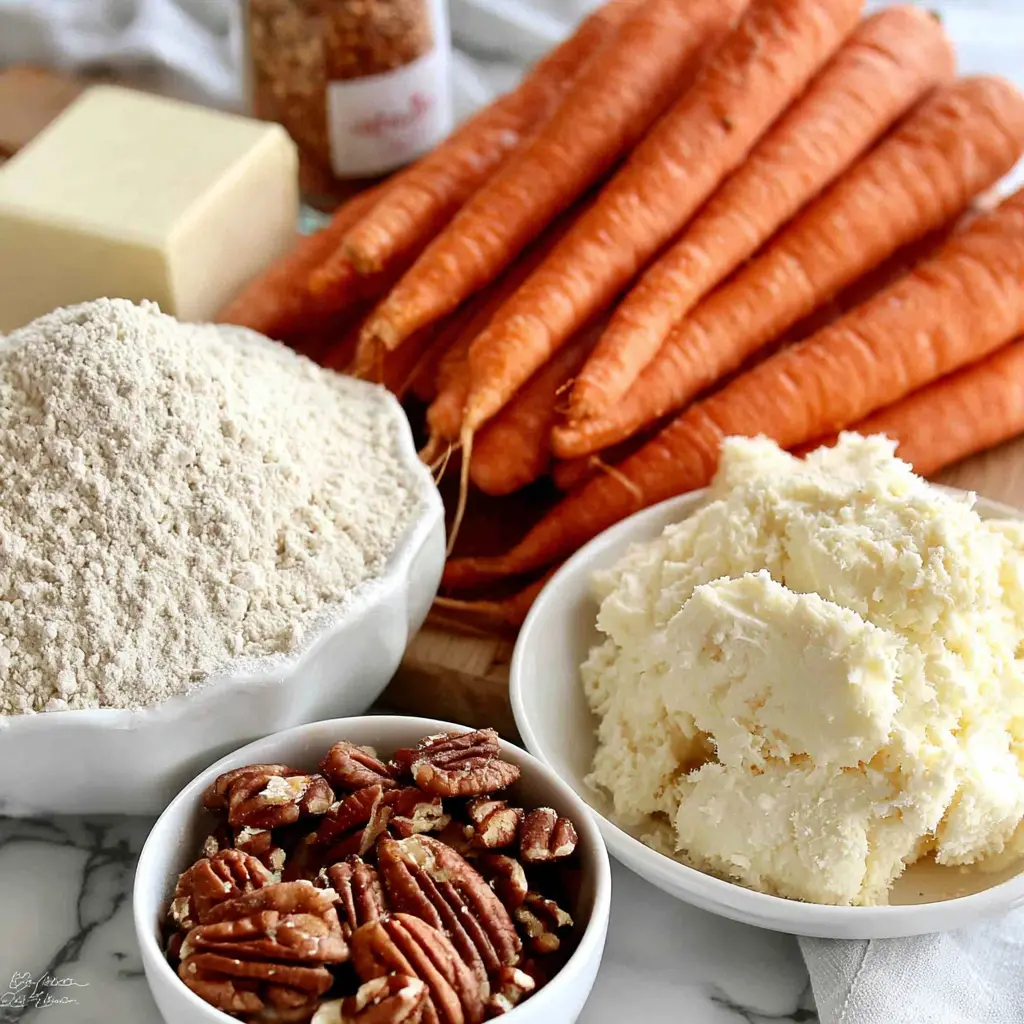
Key Ingredients for Brown Butter Carrot Cake
Every ingredient in this brown butter carrot cake has a job to do. Let’s break it down so you know exactly why you’re using what you’re using.
The Spice Blend. We’re using a classic mix of cinnamon, ginger, and a tiny pinch of cloves. The cinnamon is warm and cozy. The ginger adds a little zing. And the cloves? Just a hint of something floral and deep. If cloves aren’t your thing, feel free to swap for a pinch of nutmeg instead. It’s your cake.
The Fats. This recipe uses both vegetable oil and brown butter. The oil keeps the cake incredibly moist for days. The brown butter, on the other hand, is all about flavor. It adds that nutty, toasted richness that makes this cake so special. You get the best of both worlds: a tender crumb and an unforgettable taste.
The Liquid. Buttermilk is the secret to a super tender cake. The acid in the buttermilk reacts with the baking soda to create a really soft, fluffy crumb. Don’t have buttermilk on hand? No worries. You can make a quick substitute by adding a tablespoon of lemon juice or white vinegar to a cup of regular milk. Let it sit for five minutes, and you’re good to go.
The Carrots. This is the most important part. Please, I’m begging you, grate your own carrots. Pre-shredded carrots from the store are too dry and thick. They won’t melt into the batter the way freshly grated carrots do. Use the large holes on your box grater, and don’t pack them when you measure. Just gently scoop them into the cup.
The Frosting. We’re making a brown butter cream cheese frosting. The tangy cream cheese balances the sweetness perfectly, and the brown butter adds that same nutty flavor we love in the cake. It’s a match made in heaven.
Brown Butter Carrot Cake Recipe Tips
Texture Target: You want the batter to be thick but scoopable. When you fold in the carrots, make sure they are evenly distributed. The cake should bake up with a soft, tender crumb that’s not at all dense.
Budget Swaps: If you don’t have buttermilk, the milk + lemon juice trick works perfectly. You can also use pecans or walnuts for the garnish, whichever is cheaper at your local store.
How to Brown Butter (Step-by-Step)
This is the part that scares people. But I promise, it’s so simple. You just have to watch closely. Let’s go through it step by step.
Start by cutting your unsalted butter into pieces. This helps it melt evenly. Add the butter to a small saucepan and set it over medium-low heat. Don’t crank the heat up high. You want to go slow so you don’t burn it.
As the butter melts, it will start to foam and sizzle. That’s the water evaporating. Give it a stir every now and then with a rubber spatula or a wooden spoon. After a few minutes, the foam will subside, and you’ll see little brown specks start to form on the bottom of the pan.
This is where you need to pay attention. The butter will quickly go from pale yellow to a beautiful golden amber color. And the smell? It will suddenly smell incredibly nutty and toasty, like you’re making caramel. The moment you see that color and smell that aroma, immediately remove the pan from the heat.
Pour the browned butter into a heatproof bowl, making sure to scrape up all those brown bits from the bottom. Those bits are pure flavor. Then, you need to let it cool. Put the bowl in the refrigerator for about 45 minutes to an hour, stirring it every 15 minutes. You want it to be solid but still soft, like softened butter. Do not skip this step. If you add hot brown butter to the cream cheese and eggs, it will scramble them. Trust me, I learned that one the hard way.
Step-by-Step Instructions
Now that you’ve got your brown butter ready, let’s make the cake. I’ll walk you through the four main stages.
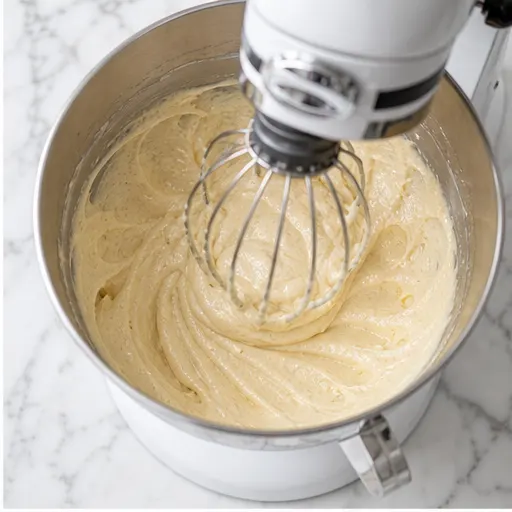
Stage 1: Mix the Dry and Wet Ingredients. In a large bowl, whisk together the flour, cinnamon, ginger, cloves, baking powder, baking soda, and salt. In the bowl of a stand mixer fitted with the paddle attachment, beat the eggs, granulated sugar, and brown sugar on medium speed until the mixture is thick and pale, about 4 minutes. With the mixer running on low, slowly drizzle in the oil, then add the vanilla extract. This creates a really stable emulsion that gives the cake a beautiful structure.
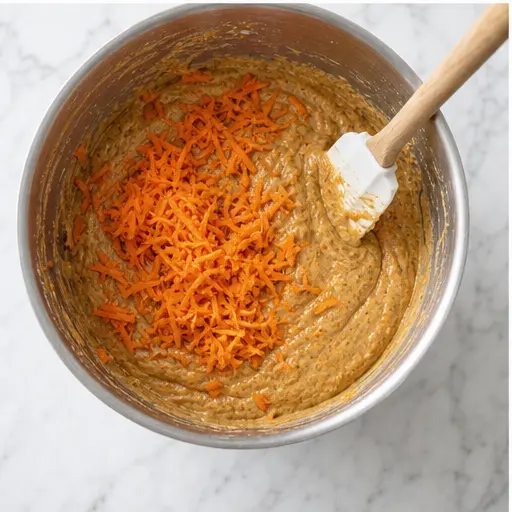
Stage 2: Combine and Fold. Now, alternate adding the dry ingredients and the buttermilk. Start and end with the dry ingredients. Add about a third of the flour mixture, mix until just combined, then add half the buttermilk. Repeat. Mix until just combined after each addition. Do not overmix. Overmixing develops the gluten and will make your cake tough and rubbery. Once everything is combined, fold in the grated carrots with a rubber spatula. Make sure you scrape the bottom and sides of the bowl to get everything incorporated.
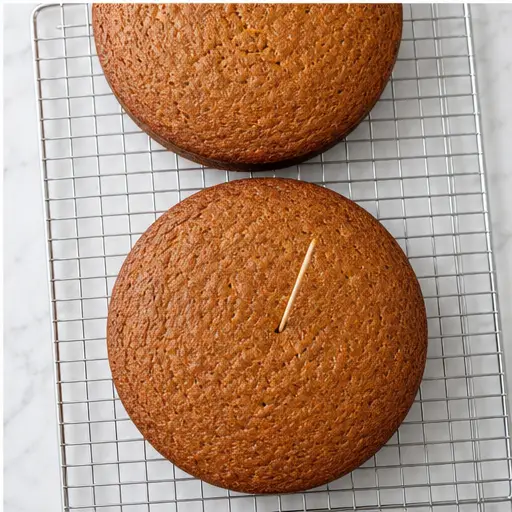
Stage 3: Bake the Cake. Divide the batter evenly among three prepared 8-inch round cake pans. Tap the pans on the counter a few times to release any air bubbles. Bake at 350°F for 18 to 22 minutes. You’ll know they’re done when a toothpick inserted in the center comes out clean, and the tops spring back when you gently press them. Let the cakes cool in the pans on a wire rack for 10 minutes, then turn them out onto the rack to cool completely. Don’t rush this. The cakes need to be completely cool before you frost them, or the frosting will melt.
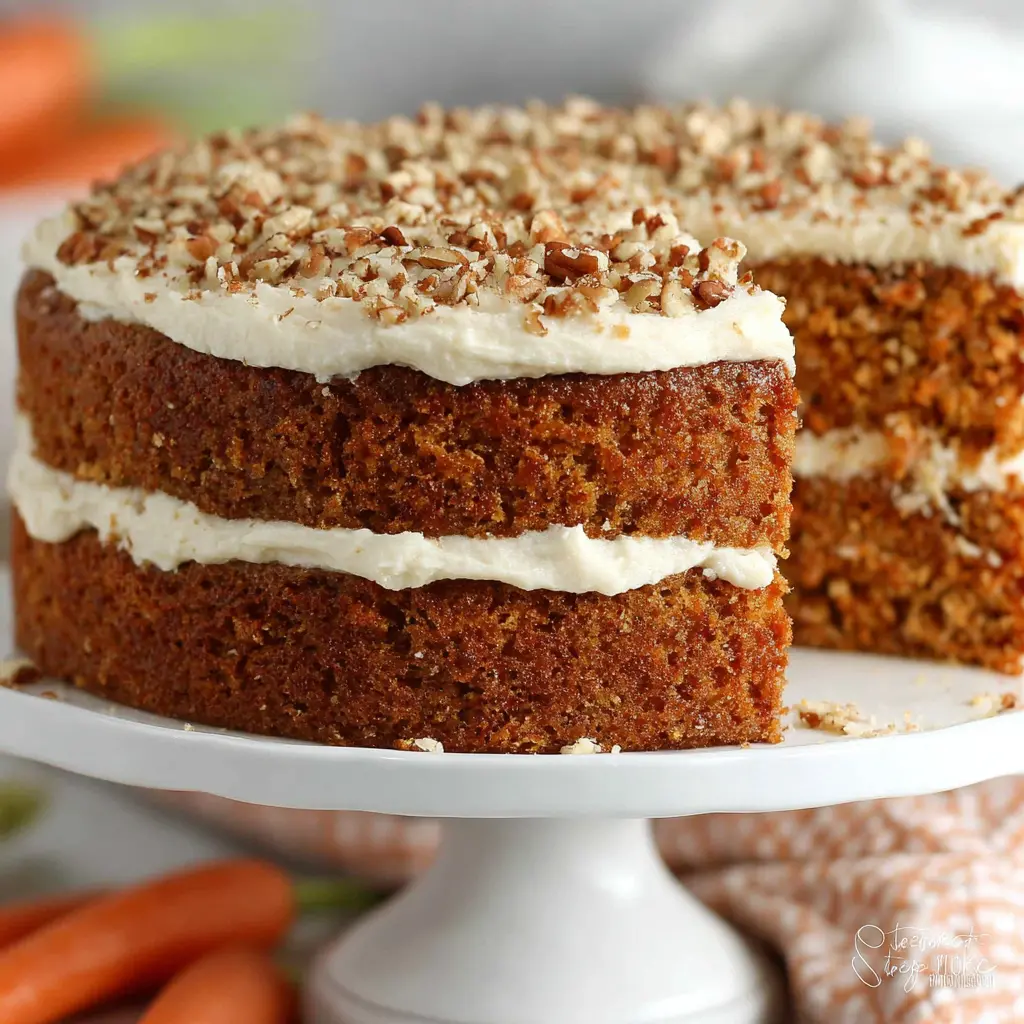
Stage 4: Make the Frosting and Assemble. In a large bowl, beat the chilled brown butter, softened cream cheese, vanilla extract, and a pinch of salt until smooth and creamy. Gradually add the sifted powdered sugar, beating on low until it’s incorporated, then increase the speed to medium-high and beat for a full minute until it’s light and fluffy. If it’s too thick, add a splash of milk. If it’s too thin, add a little more powdered sugar. Place one cake layer on a serving plate, spread about one-third of the frosting on top, and repeat with the remaining layers. Garnish with toasted pecans. Refrigerate for at least 30 minutes to set before slicing.
Storage and Make-Ahead Tips
One of the best things about this brown butter carrot cake is that it’s a great make-ahead dessert. The flavors actually get better as they sit.
Make Ahead: You can bake the cake layers up to two days in advance. Let them cool completely, then wrap each layer tightly in plastic wrap and store them at room temperature. You can also make the brown butter for the frosting up to a week ahead and keep it in the fridge. Just let it soften before you use it.
Storing the Frosted Cake: Once the cake is frosted, store it in the refrigerator for up to 3 days. The cream cheese frosting needs to be kept cold. But here’s a tip: take the cake out of the fridge about 30 minutes before you want to serve it. Letting it come to room temperature really brings out all the flavors and makes the crumb taste even more tender.
Freezing: This cake freezes beautifully. You can freeze unfrosted cake layers, wrapped in plastic and then foil, for up to 2 months. Or, you can freeze the whole frosted cake. Just pop it in the freezer until the frosting is firm, then wrap it well in plastic and foil. It will keep for 1 to 2 months. When you’re ready to eat, thaw it in the fridge overnight.
Frequently Asked Questions
I really hope you give this brown butter carrot cake a try. It’s become my go-to recipe for spring celebrations, baby showers, and honestly, just for a regular Tuesday when I need a little something special. The nutty brown butter, the tender crumb, that creamy frosting… it’s just perfect.
If you make it, I’d love to hear how it turned out. Did you add extra ginger? Did you use pecans or walnuts? Drop a comment below and let me know. And if you’re looking for more spring baking inspiration, you can find me on Pinterest where I’m always pinning new recipes.
Happy baking, friend.
Source: Nutritional Information
3 Responses
I made this carrot cake for Easter brunch and it was an absolute hit! The brown butter frosting is genius—it added such a rich, nutty depth that really elevated the whole cake. I used the full tablespoon of cinnamon as you recommended and the spice level was perfect. My only question: could I substitute the buttermilk with regular milk and a bit of lemon juice in a pinch?
Hi Sarah, so glad it was a hit! Yes, you can absolutely make a quick buttermilk substitute by adding 1 tablespoon of lemon juice or white vinegar to ¾ cup of regular milk. Let it sit for 5 minutes before using—it works perfectly!
This cake was delicious, but I found the frosting a bit too sweet for my taste. Next time I’ll try reducing the powdered sugar by half a cup. The cake itself was incredibly moist and the spices were spot on. I added a handful of toasted pecans to the batter for extra crunch—highly recommend!