
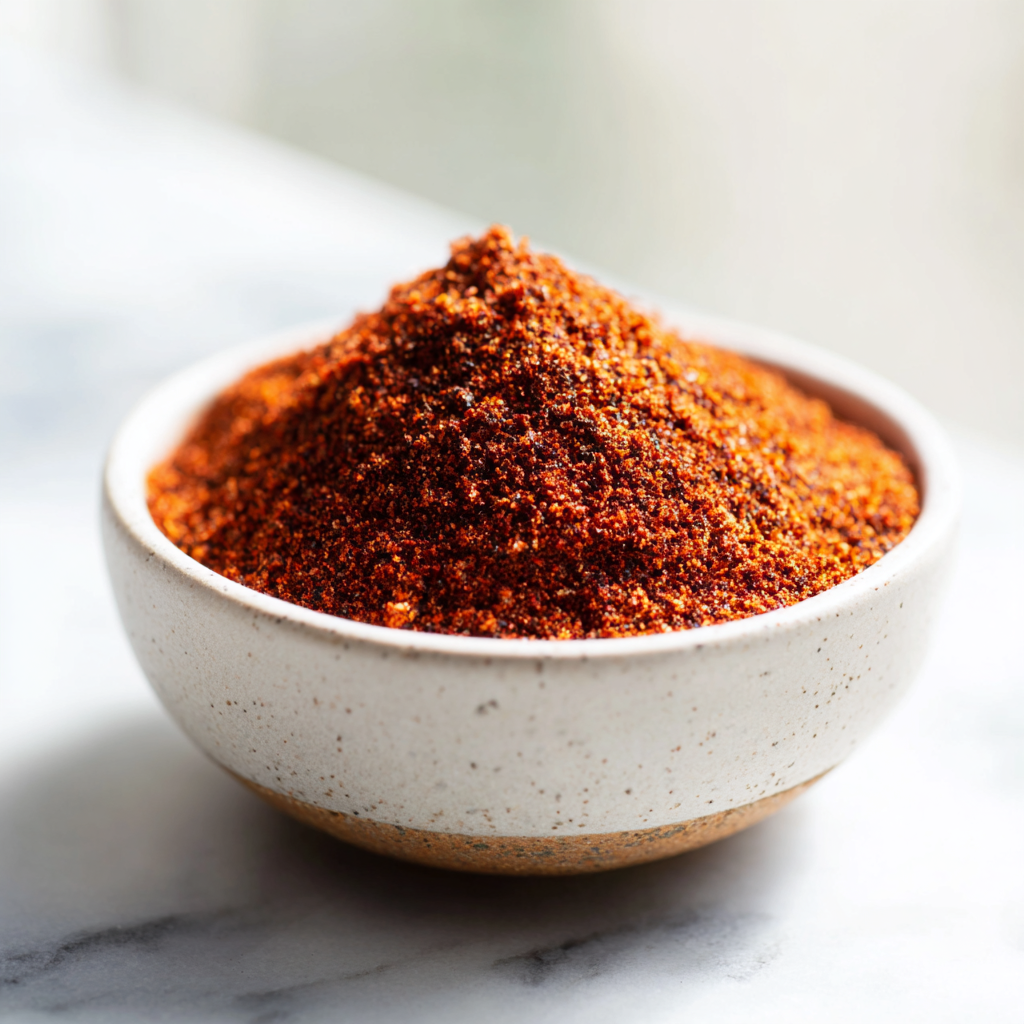
You Know That Panic When You Reach for the Adobo and It’s Empty?
You know that moment when you reach for the adobo and realize you’re out? Or worse you check the label and see a sodium bomb. I’ve been there. Standing in my kitchen in Los Angeles, halfway through prepping chicken for a BBQ, and the little yellow jar is completely empty. And the backup? It’s hiding somewhere in the pantry abyss, probably behind the canned beans.
That’s when I decided to make my own adobo seasoning. Honestly? Best kitchen decision I’ve made all year. This homemade adobo seasoning takes literally five minutes, tastes better, and you control exactly what goes in. No weird additives, no MSG, and you can dial the salt way down if you need to.
I first whipped this up on a whim last July 4th, and now it’s the only adobo seasoning I use. My husband, who is notoriously picky about his spice blends, actually said, “Wait, this is better than the store one.” High praise, you guys.
So let’s get into it. By the end of this article, you’ll have a jar of homemade adobo seasoning that’ll make your next cookout legendary.
What Is Adobo Seasoning?
So what exactly is adobo seasoning? If you’ve ever cooked Latin American food, you’ve probably seen those little jars in the spice aisle. It’s a versatile spice blend recipe that’s basically the secret weapon in countless kitchens. Think of it as a go-to all-purpose seasoning that adds depth, warmth, and a little kick to whatever you’re cooking.
The word “adobo” actually comes from the Spanish word “adobar,” which means to marinate or season. And that’s exactly what it does. It’s a mix of garlic powder, onion powder, dried oregano, ground cumin, smoked paprika, and a few other things. The exact adobo seasoning ingredients vary by brand and region, but the core idea is the same: a savory, slightly smoky, super versatile blend.
Now, I should clear something up real quick. Filipino adobo seasoning is a whole different thing. That’s a cooking method involving soy sauce, vinegar, and garlic. Totally different vibe. The adobo seasoning we’re talking about here is the Latin American style the dry spice blend you shake on everything from chicken to rice.
What Does Adobo Seasoning Taste Like?
If you’ve never tried it, describing the taste of adobo seasoning is fun. Imagine the warm, earthy notes of ground cumin and dried oregano, with the deep smokiness of smoked paprika. Then you get that punchy savory hit from garlic powder and onion powder. A little ground black pepper adds a gentle heat, and the ancho chili powder brings a mild, fruity warmth without setting your mouth on fire. It’s not spicy-hot; it’s flavorful-hot.
The salt ties it all together. That’s why store-bought versions can be so salty. The adobo seasoning taste is meant to be bold and savory, but you can absolutely adjust it to your liking.
I honestly think this homemade adobo seasoning tastes brighter and more complex than anything from a jar. The spices are fresher, and you can smell the difference the second you open the jar. It’s like the difference between a dried oregano that’s been sitting in a cabinet for two years versus one you just bought. Huge difference.
Homemade vs Store-Bought Adobo
Let’s be real for a second. Store-bought adobo seasoning is convenient. I get it. But here’s the thing most of those little jars are packed with salt. Like, a LOT of salt. The first ingredient is usually salt, sometimes followed by MSG. And if you’re trying to watch your sodium intake, that’s a problem.
When you make homemade adobo seasoning, you get to decide how much salt goes in. I usually cut the salt in half because my husband has high blood pressure. You can use a sea salt alternative or just reduce it. It’s totally flexible.
Plus, there’s something really satisfying about making your own spice blend recipe. You know exactly what’s in it. No hidden ingredients, no preservatives. And honestly? It’s cheaper in the long run, especially if you buy spices in bulk from a place like Costco or a local Hispanic market.
- Store-bought: High sodium, often has MSG, can be stale
- Homemade: Lower sodium, fresh spices, no additives, customizable
And if you’re wondering about the taste comparison homemade wins every time. The freshness of the spices makes a huge difference. I promise you’ll notice it the first time you use it on grilled chicken.
Ingredients for California-Style Adobo
Alright, let’s talk about the adobo seasoning ingredients you’ll need. This is my California-style version, which means I use smoked paprika for that West Coast BBQ vibe and ancho chili powder for a mild, earthy heat. Here’s what you need:
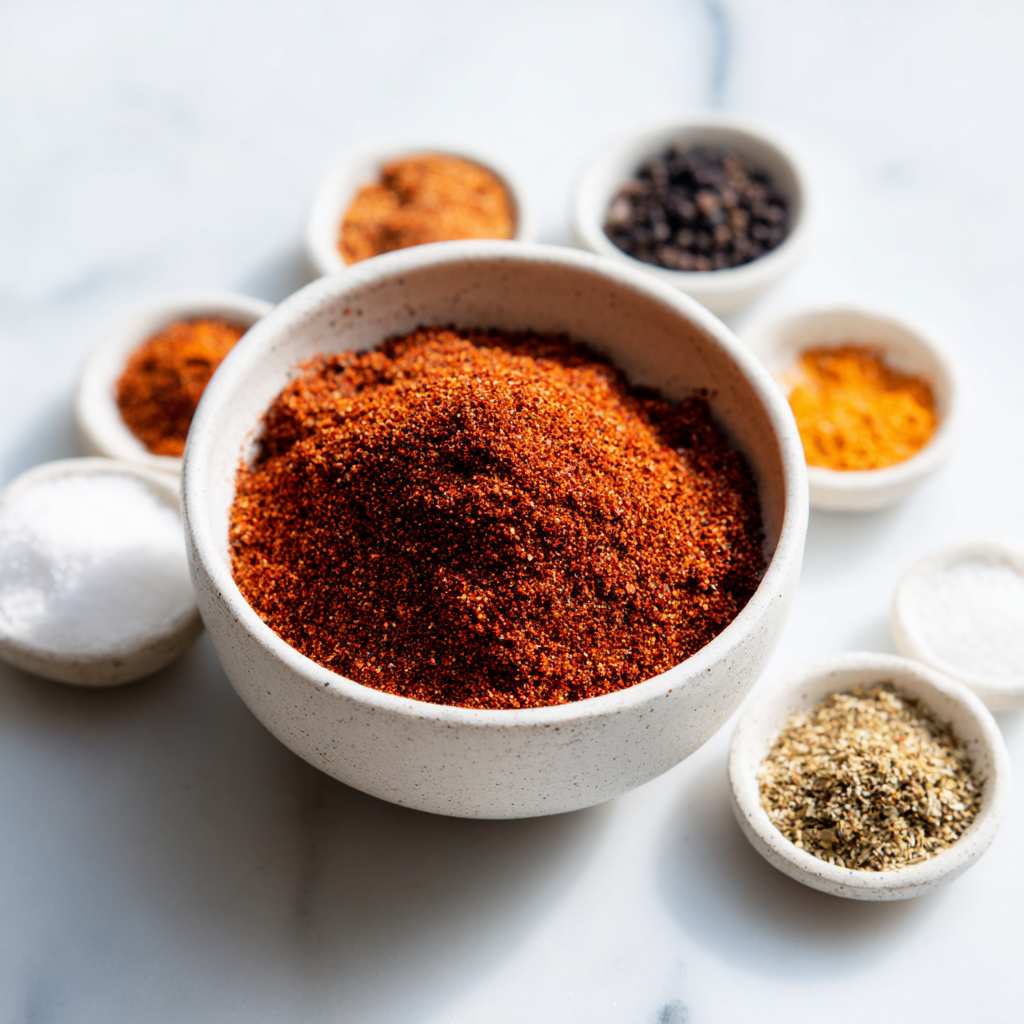
- Smoked paprika: This is the star. It gives the blend that deep, smoky flavor that’s perfect for grilling. Don’t skip it.
- Fine sea salt: I use fine sea salt because it dissolves better. You can use kosher salt, but you might need to grind it finer.
- Freshly ground black pepper: Pre-ground is fine, but freshly ground has way more punch.
- Onion powder: Adds savory depth. Not the same as onion salt, so make sure you get the powder.
- Dried oregano: Earthy and slightly minty. Mexican oregano works great here if you have it.
- Ground cumin: Warm, earthy, and essential. This is what gives adobo that signature Latin flavor.
- Garlic powder: The savory backbone. I prefer garlic powder over granulated garlic because it blends more smoothly.
- Ancho chili powder: Mild, fruity, and slightly sweet. If you can’t find ancho, regular chili powder works fine.
That’s it. Eight ingredients. No weird stuff. You probably already have most of these in your pantry. If you don’t, a quick trip to Ralphs or Trader Joe’s will sort you out.
How to Make Adobo Seasoning
This is the easiest part. I’m not kidding when I say it takes five minutes. Maybe less if you’re fast. Here’s how to make adobo seasoning:
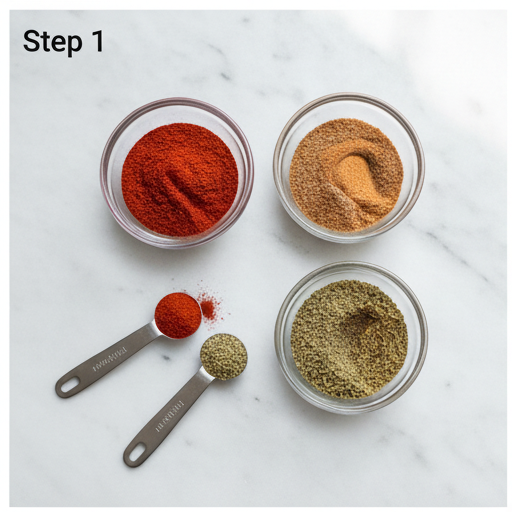
Stage 1: Measure Everything Out
Grab a small mixing bowl. Measure out 1 tablespoon of smoked paprika and 1 tablespoon of fine sea salt. Then add 2 teaspoons of ground black pepper, 1 1/2 teaspoons each of onion powder, dried oregano, ground cumin, and garlic powder. Finally, add 1 teaspoon of ancho chili powder. Don’t worry if you accidentally add a little extra cumin it still tastes great. I’ve done it.
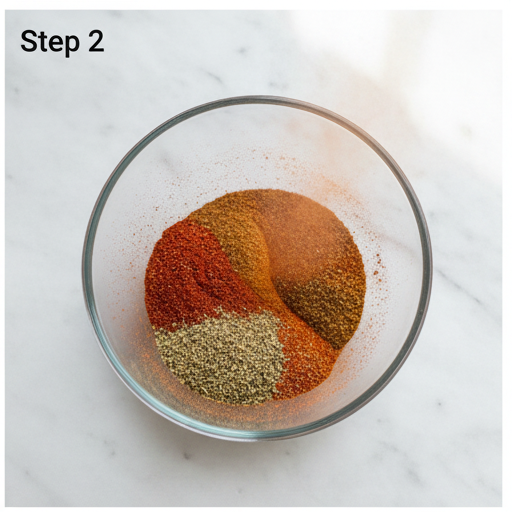
Stage 2: Whisk It Together
Use a fork or a small whisk to blend everything together. You want it evenly distributed. The color should be a deep, rich reddish-brown. The smell? Oh man, it’s incredible. Smoky, earthy, a little bit spicy. You’ll know it’s right when you can’t pick out individual spice smells anymore.
Stage 3: Sift (Optional But Helpful)
If you want a super fine, powdery texture, you can sift the blend through a fine-mesh strainer. This helps break up any clumps and ensures everything is fully mixed. It’s not mandatory, but it makes the adobo seasoning blend more evenly into marinades and rice. I usually do it because I’m a little extra like that.
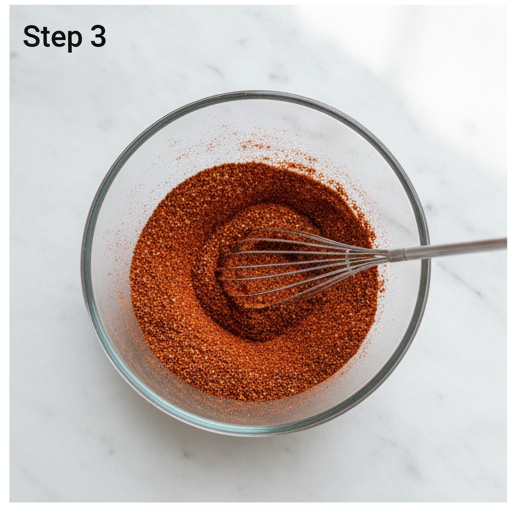
Stage 4: Transfer to a Jar
Spoon your homemade adobo seasoning into an airtight glass jar. I use a small Mason jar or a repurposed spice jar. Make sure the lid is tight. Label it with the date and what it is, because trust me, you’ll forget in a month.
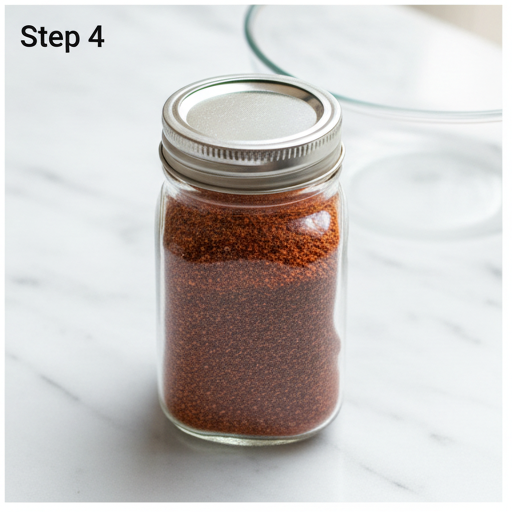
That’s literally it. No cooking, no complicated steps. Just dump it in a bowl and whisk. Done.
Tips for the Best Adobo
Making adobo seasoning is simple, but a few tips can take it from good to incredible. Here’s what I’ve learned:
- Spring for high-quality spices. You’re making homemade adobo seasoning in bulk, so get max flavor for your dollar. Spend a few more coins buying potent spices. I often buy mine at South Asian or Hispanic markets. The difference is night and day.
- Avoid moisture at all costs. This is the number one enemy of any spice blend recipe. Moisture will cause your adobo seasoning to clump and could even lead to mold, which will ruin an entire batch. Store it away from heat, sunlight, and moisture. Don’t keep it near the stove or above the dishwasher.
- Sift to really mix. Sifting the adobo seasoning after blending isn’t a must, but it does help break up any lingering clumps and fully mix the seasoning blend. Plus, it makes the texture more uniform.
- Use garlic powder, not granulated. I prefer using ground garlic powder in my spice mixes. It has a stronger garlic taste than granulated garlic and blends more evenly. But if you only have granulated, it’ll work fine.
- Taste and adjust. Before you store it, dip a clean spoon in and taste it. Too salty? Add more paprika. Not enough heat? Add a pinch more chili powder. It’s your blend, so make it yours.
Variations to Try
One of the best things about making your own adobo seasoning is how easy it is to customize. Here are some variations I’ve tried and loved:
- Chipotle Adobo Variation: Swap the ancho chili powder for chipotle powder. It adds a smokier, spicier kick. Great for grilled chicken or fish.
- Citrus Adobo Seasoning: Add 1 teaspoon of dried lemon or orange zest. This brightens up the blend and is amazing on fish or roasted veggies.
- Spicy Version: Add 1/2 teaspoon of cayenne powder. This gives it a serious kick without overwhelming the other flavors.
- Milder Version: Reduce the black pepper and chili powder by half. Swap smoked paprika for sweet paprika if you prefer a less smoky flavor.
- Wet Paste: Mix 2 tablespoons of the adobo seasoning with 1 tablespoon of olive oil and 1 tablespoon of vinegar. This makes a fantastic wet rub or marinade paste.
- Low Sodium Adobo: Decrease the salt to 2 teaspoons and add 1/2 teaspoon of potassium chloride (consult your physician first). This makes a heart-healthy version that’s still flavorful.
Don’t be afraid to experiment. I once made a batch with extra ground cumin because I was out of dried oregano, and it turned out amazing. Mistakes become new favorites sometimes.
How to Use Adobo Seasoning
Okay, so you’ve made your homemade adobo seasoning. Now what? The possibilities are honestly endless. Here are my favorite ways to use it:
- Dry rub for grilled chicken: Use about 1 teaspoon per pound of chicken. Rub it all over, let it sit for 15 minutes, then grill. Perfect for summer BBQs.
- Ground beef for burgers: Mix 1-2 teaspoons into a pound of ground beef before forming patties. It adds so much flavor, you won’t need ketchup.
- Seasoning for fish: Sprinkle a light dusting on white fish fillets before pan-searing. The adobo seasoning for fish is amazing with a squeeze of lime.
- Rice: Add 1/2 teaspoon per cup of uncooked rice. It turns plain rice into something special.
- Roasted vegetables: Toss chopped veggies with olive oil and a teaspoon of adobo seasoning, then roast at 400°F until tender. Cauliflower, zucchini, and bell peppers are my favorites.
- Tacos: Use it as a taco seasoning. It’s perfect for ground beef, chicken, or even black beans.
- Beans and stews: Add 1 teaspoon per pot of beans or soup. It deepens the flavor beautifully.
I also love using this grill seasoning on corn on the cob. Slather the corn with butter, sprinkle on the adobo seasoning, and grill until charred. It’s a game-changer.
How to Store Adobo Seasoning
Proper storage is key to keeping your homemade adobo seasoning fresh and flavorful. Here’s what you need to know:
- Use an airtight container. A glass jar with a tight-fitting lid is ideal. Mason jars work great, or you can reuse a clean spice jar.
- Store in a cool, dark place. A cabinet away from the stove and oven is perfect. Sunlight and heat will degrade the spices faster.
- Add a food-grade desiccant pack. If you live in a humid area (hello, summer in LA), a small silica gel pack can prevent clumping.
- Label and date it. I know it sounds silly, but you’ll thank yourself later. Write “Adobo Seasoning” and the date on a piece of tape.
- Shelf life: Properly stored, this blend will stay fresh for up to 2 years. The flavor will start to fade after about a year, but it’s still safe to use.
Avoid storing it near the stove or next to the oven. The heat and steam will cause moisture to get into the jar, and then you’ll have clumps. Not the end of the world, but annoying.
Troubleshooting Common Issues
Even with a simple recipe like this, things can go wrong. Here’s how to fix the most common problems:
Common Mistakes and How to Fix Them
❌ Mistake: Your adobo seasoning is too salty.
✅ Solution: Add more paprika and cumin to balance it out. Or, next time, reduce the salt by half. You can always add more salt later, but you can’t take it out.
❌ Mistake: The blend is clumpy.
✅ Solution: Moisture got in. Sift the clumps out and store the rest in a drier place. Add a desiccant pack to prevent future clumping.
❌ Mistake: It’s not spicy enough.
✅ Solution: Add more ancho chili powder or a pinch of cayenne. Taste as you go.
❌ Mistake: The flavor is flat.
✅ Solution: Your spices might be old. Fresh spices make all the difference. Try buying smaller quantities from a bulk bin section.
Frequently Asked Questions
Final Thoughts
Making your own adobo seasoning is one of those small kitchen victories that makes you feel like a pro. It’s quick, easy, and the results are honestly better than anything you can buy at the store. Plus, you get to control the sodium, skip the MSG, and customize it exactly how you like it.
I hope you give this homemade adobo seasoning a try. Whether you’re grilling chicken for a summer BBQ, seasoning fish for a quick weeknight dinner, or just want to add some flavor to your rice, this blend has got your back. You’re about to be the seasoning hero of your next cookout!
If you’re looking for more inspiration, come hang out with me on Pinterest. I’m always pinning new recipes and spice blends. Let’s make cooking fun again, one jar of seasoning at a time.
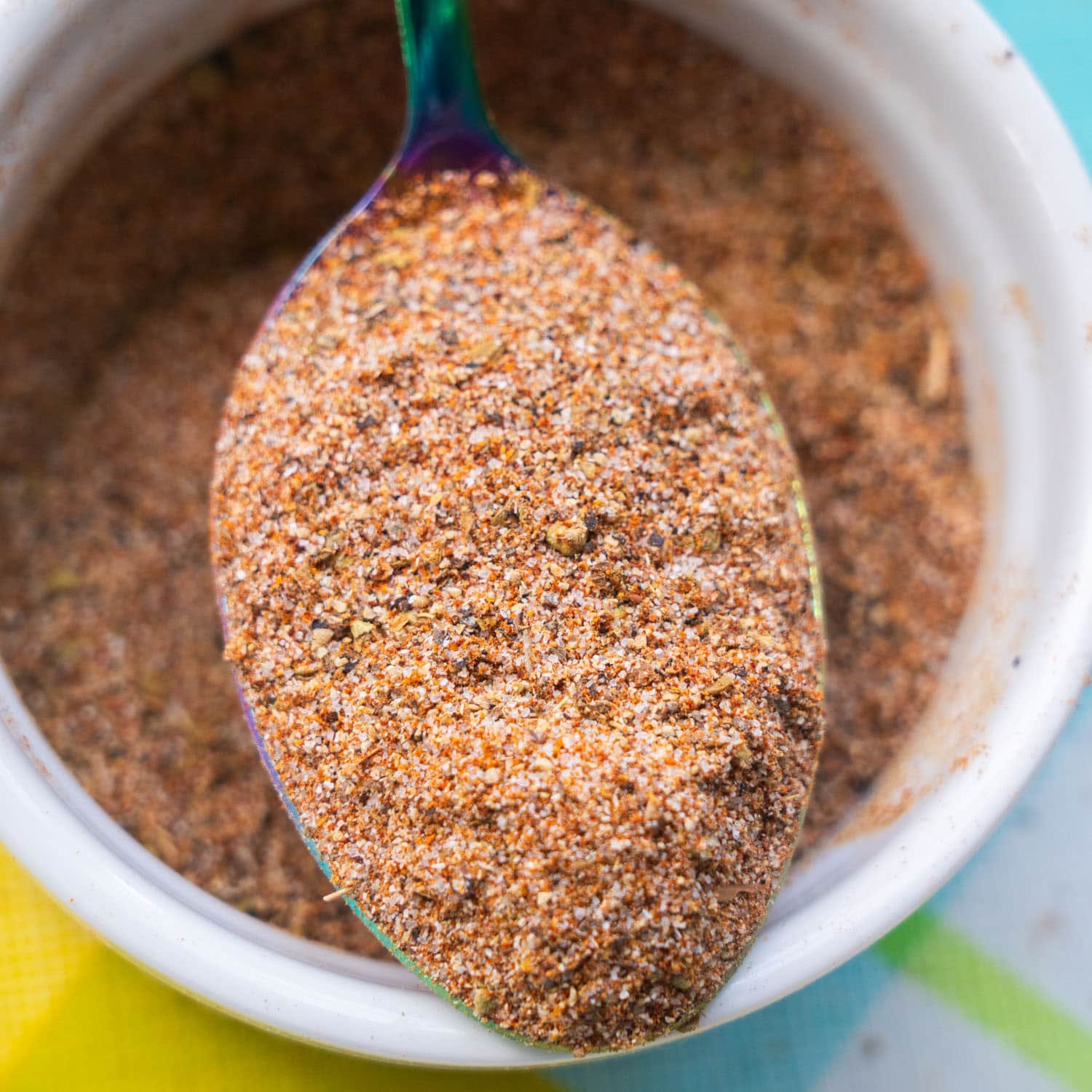
California-Style Homemade Adobo Seasoning
Ingredients
Method
- In a small mixing bowl, combine the smoked paprika, sea salt, black pepper, onion powder, dried oregano, ground cumin, garlic powder, and ancho chili powder. Whisk with a fork until evenly blended.
- Transfer the adobo seasoning to an airtight spice jar or container. Store in a cool, dark cabinet away from sunlight and heat. Properly stored, this blend will stay fresh for up to 2 years. Use a teaspoon or more in your favorite recipes—especially great on ground beef for burgers or as a dry rub for grilled chicken.
Nutrition
Notes
Tried this recipe?
Let us know how it was!Source: Nutritional Information