
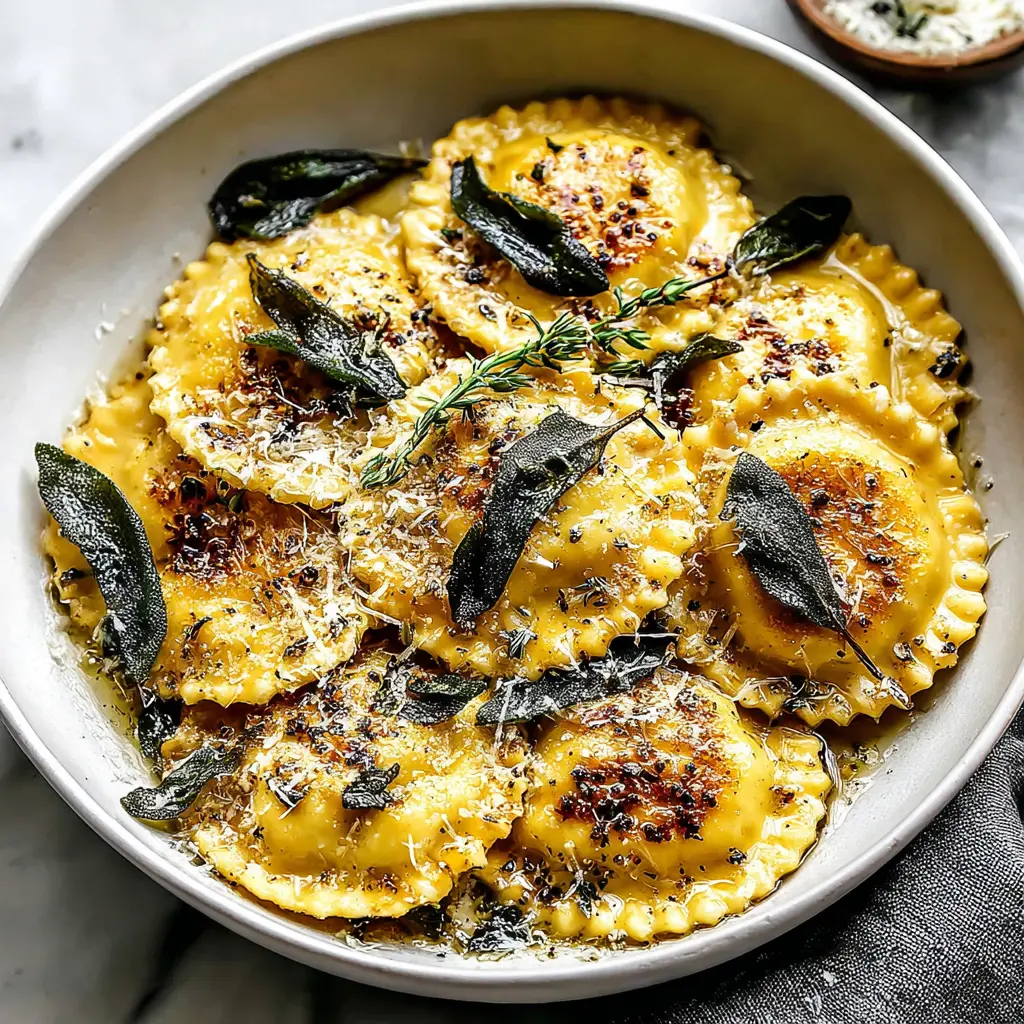
Why This Recipe Works
I still remember my first attempt at sage butter. I was trying to impress someone for a cozy dinner, and I walked away with what I can only describe as charcoal butter. Burnt, bitter, and honestly a little sad. But I learned the trick that night, and I promise it’s simpler than you think.
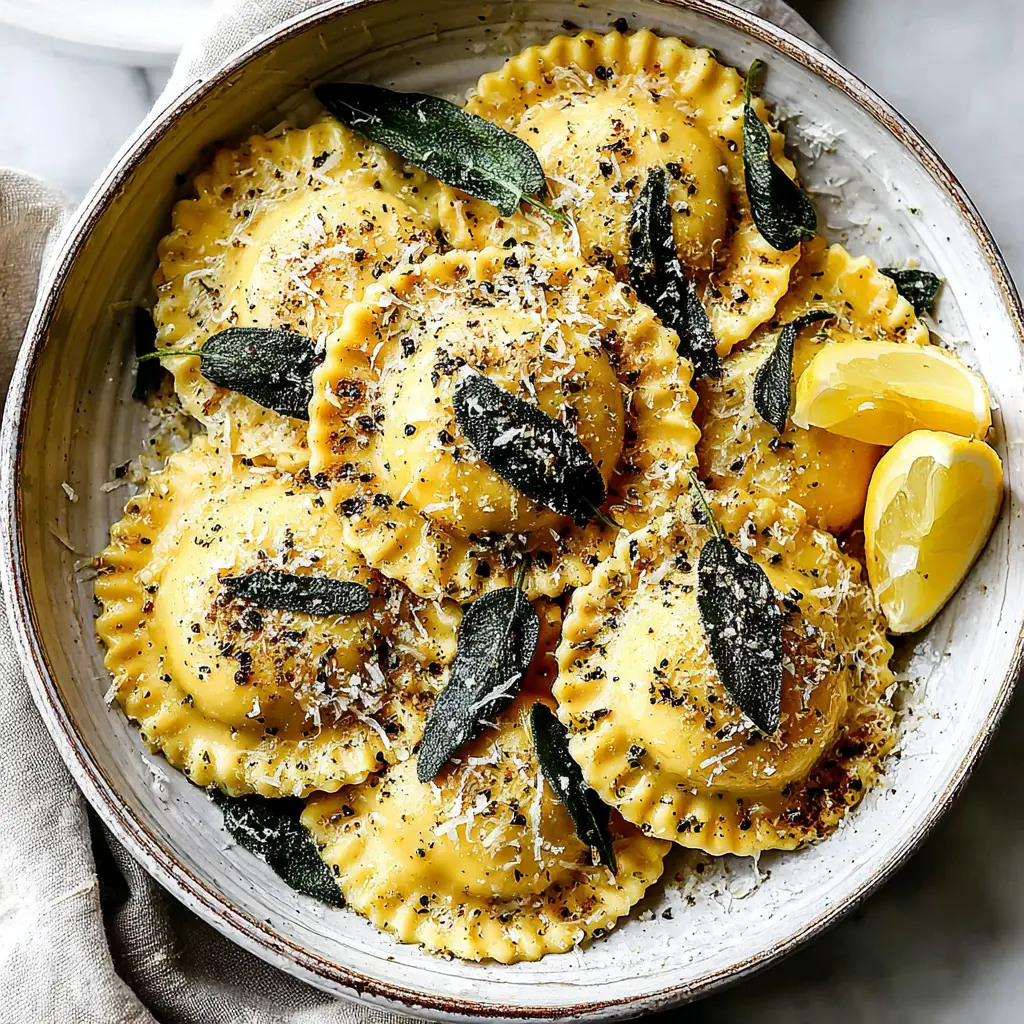
This ravioli with sage butter sauce is the kind of dish that looks like you spent an hour in the kitchen when really, you’re done in 15 minutes flat. Five ingredients. One skillet. And a whole lot of nutty, buttery goodness.
Here’s why this one works every time. The brown butter does the heavy lifting. It transforms from ordinary butter into something rich, toasty, and deeply flavorful. The sage leaves crisp up in that same butter, adding a little crunch. And the lemon? It cuts through all that richness with a bright finish. You get sweet, savory, nutty, and bright all in one bite.
Plus, you can use store-bought ravioli here. No judgment. I do it all the time. It’s the perfect weeknight Italian meal that feels special without the fuss.
Ingredients You’ll Need
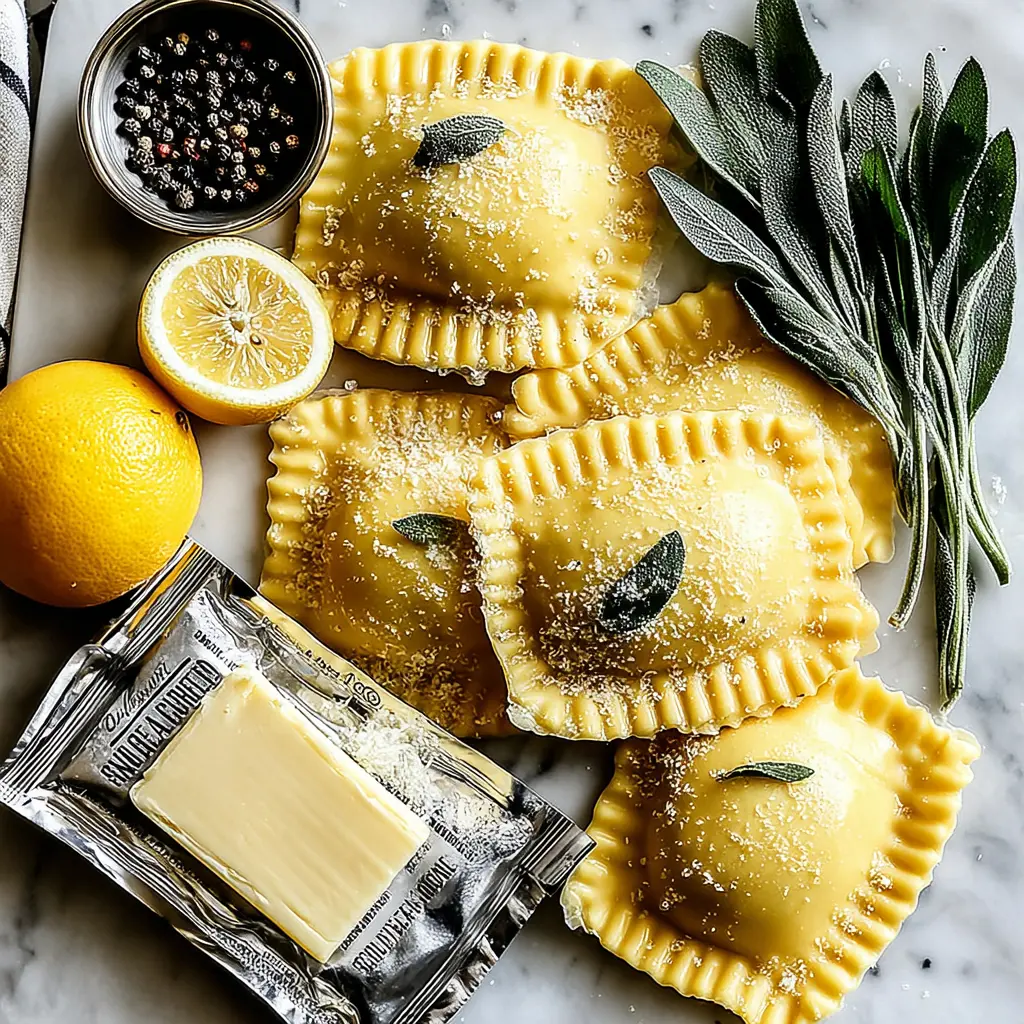
You only need a handful of things for this sage butter ravioli. I love recipes like this because the shopping list is short and the payoff is huge.
- Store-bought or homemade ravioli (18-20 oz): Cheese ravioli is classic, but butternut squash ravioli works beautifully here too. The sweetness plays off the nutty brown butter perfectly. Just grab a good quality brand from the refrigerated section.
- Salted butter (6 tablespoons): I use salted butter here because it adds a little seasoning as it browns. If you only have unsalted, just add a pinch of salt at the end.
- Fresh sage leaves (20-25 whole leaves): This is non-negotiable. Dried sage won’t crisp up the same way. Fresh sage leaves are what give you that crackly, crispy texture. Look for bright green leaves with no brown spots.
- Meyer lemon (1 medium): Meyer lemons are a bit sweeter and less acidic than regular lemons. But a regular lemon works just fine. You’ll use the juice and maybe a little zest for brightness.
- Parmigiano Reggiano: For grating over the top. Please get a wedge and grate it yourself. The pre-shredded stuff just doesn’t melt the same way.
- Freshly ground black pepper: To taste. Don’t skip this. It adds a little warmth that balances the sage.
How to Make Ravioli with Sage Butter Sauce
Okay, let’s get into the actual cooking. This easy pasta dinner comes together in about 10 minutes of active time. Here are the four major stages.
Stage 1: Cook the Ravioli
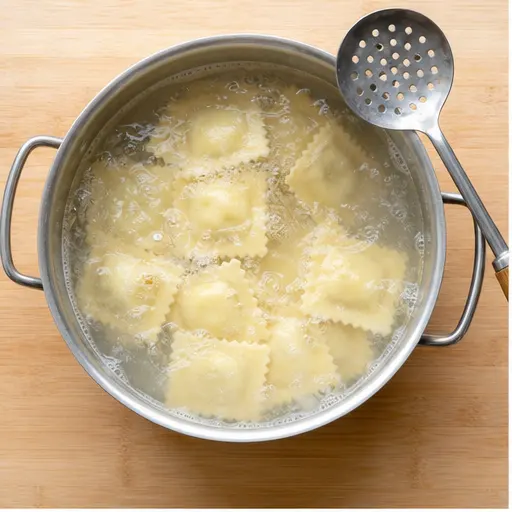
Bring a large pot of salted water to a boil. And I mean generously salted. The pasta water should taste like the sea. That’s your first chance to season the ravioli from the inside out.
Drop the ravioli in and keep the water at a gentle boil. A rolling, violent boil can cause the ravioli to burst open. You want a steady simmer. Cook according to the package directions, usually 3-5 minutes for fresh ravioli.
While that’s going, start your sauce. That’s the beauty of this recipe. Everything happens at the same time.
Stage 2: Brown the Butter
This is where the magic happens. Place a large skillet over medium heat. I prefer a light-colored pan for this. Why? Because you need to see the butter change color. A dark nonstick pan makes it nearly impossible to tell when the butter is properly browned.
Add the 6 tablespoons of butter. Let it melt, then swirl the pan occasionally. After about 3 minutes, something amazing happens. The butter will start to foam, and then you’ll see tiny golden brown specks forming at the bottom. That’s the milk solids toasting. The smell shifts from plain butter to something nutty and almost hazelnut-like.
Here is the secret to perfect brown butter: watch for the little specks. Once you see those, you’re there. Don’t walk away. Butter goes from perfect to burnt in seconds.

Stage 3: Crisp the Sage
Once the butter is golden and nutty, season it with a few cracks of black pepper. Then add all those fresh sage leaves. They’ll sizzle immediately. That’s a good sign.
Cook them for about 2 minutes, stirring often. The leaves will darken slightly and turn crispy around the edges. You’ll hear them crackle. Don’t worry if a few get a little darker than others. That’s character. If your first sage leaf turns dark, toss it and start fresh. It’s okay.
Stir in about half a tablespoon of fresh lemon juice. The acid wakes everything up.

Stage 4: Toss and Serve
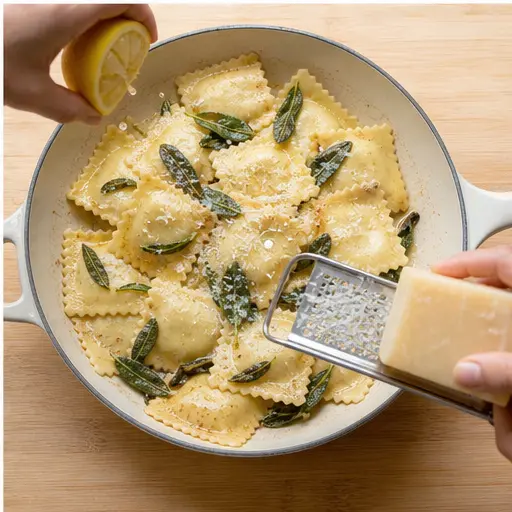
By now your ravioli should be done. Drain it gently. I use a slotted spoon or a spider strainer to transfer the ravioli directly into the skillet with the sage butter sauce. That little bit of pasta water clinging to the ravioli helps the sauce coat everything.
Stir carefully. You want to coat each piece without breaking the ravioli. A gentle toss with a silicone spatula works great.
Divide among 4 plates or bowls. Top with freshly grated Parmigiano Reggiano and a final squeeze of lemon juice. The cheese melts into the warm butter, creating a little creamy moment on each ravioli.
Tips for Perfect Browned Butter
I’ve burned more butter than I care to admit. Here’s what I learned so you don’t have to.
- Use a light-colored pan. A stainless steel or light ceramic skillet lets you see the color change. Dark pans hide the golden specks.
- Cut butter into cubes. It melts more evenly. Straight from the fridge, cube it up.
- Medium heat is your friend. High heat burns the butter before it can brown properly. Low heat takes forever. Medium is the sweet spot.
- Swirl, don’t stir. Swirling the pan keeps the milk solids moving so they toast evenly.
- Trust your nose. The smell of nutty, toasty butter is unmistakable. When you smell it, you’re almost there.
How to Get Crispy Sage Leaves
This is the part that feels fancy but is actually so easy. The key is fresh sage leaves. Dried sage will just burn and taste like dust. Fresh leaves have enough moisture to crisp up beautifully.
Make sure the leaves are dry before they hit the butter. Any water will cause the butter to sputter. Pat them with a paper towel if needed.
Don’t overcrowd the pan. The leaves need space to cook evenly. If they’re piled on top of each other, they’ll steam instead of crisp. A single layer is perfect.
And watch the heat. If the butter is too hot, the sage will brown too fast and turn bitter. Medium heat, gentle sizzle, about 2 minutes. You’ll see them darken and curl slightly at the edges.
Mix-Ins & Variations
Once you’ve mastered the basic sage butter ravioli, feel free to play around. Here are some ideas to make it your own.
- Swap the ravioli: Use tortellini, agnolotti, or even gnocchi. The sauce works with any filled pasta.
- Add toasted nuts: Toasted walnuts or hazelnuts add a lovely crunch. Toast them in a dry pan first, then sprinkle over the finished dish.
- Make it creamy: Stir in a spoonful of mascarpone or ricotta cheese at the end. It turns the sauce into something rich and velvety.
- Go seasonal: Stir in a spoonful of pumpkin puree for a fall twist. Or serve with roasted butternut squash on the side.
- Add some heat: A pinch of red pepper flakes in the butter adds a nice kick.
What to Serve with This Ravioli
This ravioli with sage butter sauce is pretty complete on its own, but a few simple sides turn it into a full meal.
- A simple green salad: Arugula with lemon vinaigrette cuts through the richness beautifully.
- Crusty bread: To soak up every last drop of that brown butter sauce. Sourdough or ciabatta works great.
- Roasted vegetables: Butternut squash, asparagus, or green beans roasted with olive oil and salt.
- Sautéed spinach: Quick garlic spinach adds color and nutrition.
For a complete weeknight Italian meal, serve it with a side salad and some crusty bread. Dinner is done.
How to Store and Reheat Leftovers
This dish is best fresh, but leftovers happen. Here’s how to handle them.
Storage: Place leftover ravioli in an airtight container. It will keep in the fridge for 2-3 days. The ravioli will absorb some of the sauce, so it won’t be quite as glossy, but it’s still delicious.
Reheating: The microwave works in a pinch, but it can make the ravioli mushy. Instead, reheat in a skillet over medium-low heat with a splash of water or broth. Toss gently until warmed through. Add a little extra butter if the sauce seems dry.
Freezing: I don’t recommend freezing the finished dish. The ravioli will get mushy when thawed. But you can freeze extra sage butter sauce in an ice cube tray. Pop out a cube and use it later to dress fresh pasta.
Frequently Asked Questions
More Quick Pasta Dinners
If you loved this ravioli with sage butter sauce, you might also enjoy these easy pasta recipes. They’re all designed for busy weeknights when you want something delicious without spending hours in the kitchen.
- Creamy Lemon Pasta with Spinach
- One-Pot Tomato Basil Pasta
- Garlic Butter Shrimp Pasta
- Easy Baked Ziti
Make this tonight, and let me know how it turns out in the comments! I’d love to hear about your sage butter journey. Did you nail the brown butter on your first try? Did you add any fun variations? Drop a comment below.
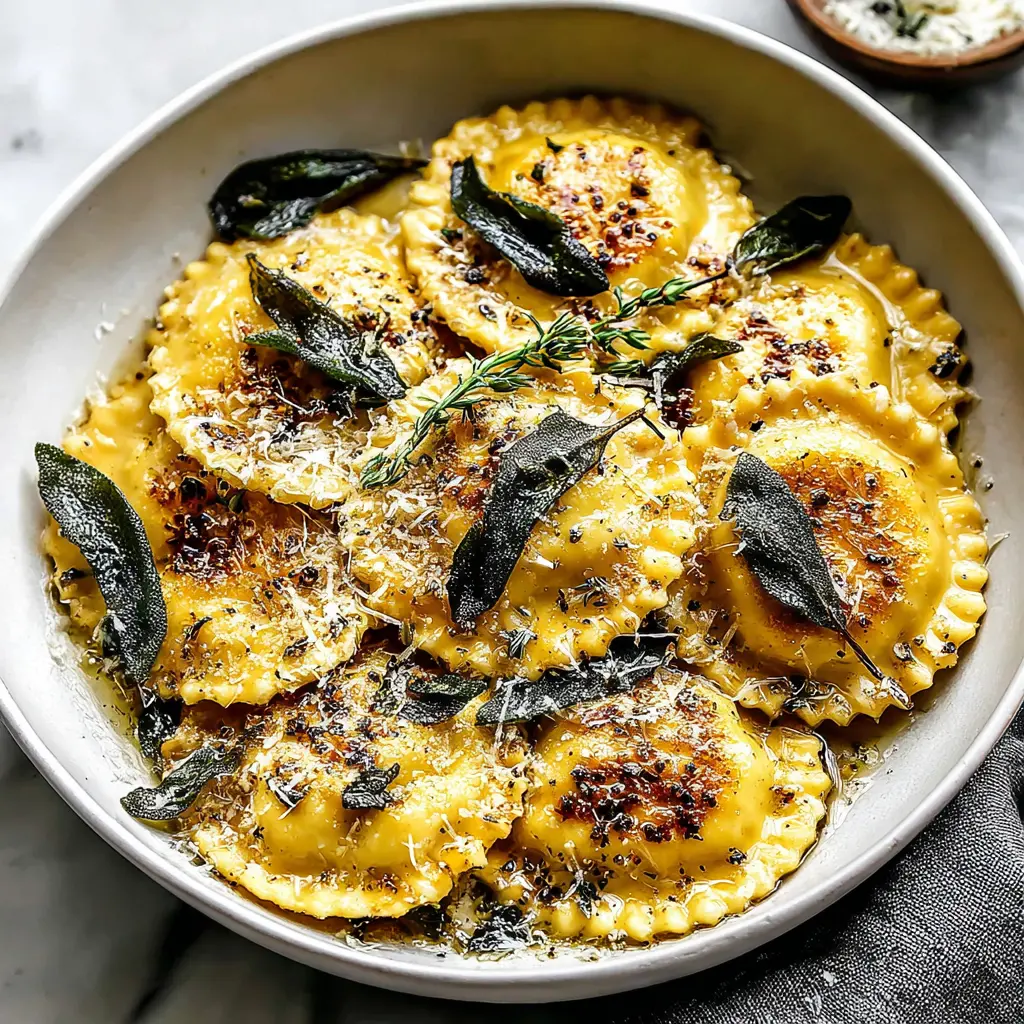
Golden Ravioli with Sage Butter Sauce and Crispy Sage
Ingredients
Method
- Cook the ravioli according to the package directions or your homemade recipe. Keep the water at a gentle boil to prevent the ravioli from bursting.
- While the ravioli cooks, place a large skillet over medium heat and add the butter. Cook for about 3 minutes, swirling occasionally, until the butter turns golden brown and smells nutty. Season with black pepper to taste, then add the sage leaves. Continue cooking for 2 more minutes, stirring often, until the sage is slightly crispy. Stir in about 1/2 tablespoon of fresh lemon juice.
- Once the ravioli is done, drain it gently and transfer it to the skillet. Stir carefully to coat each piece with the browned butter sauce. Divide the ravioli among 4 plates or bowls, top with freshly grated Parmigiano Reggiano, and add a squeeze of lemon juice to finish.
Nutrition
Notes
Tried this recipe?
Let us know how it was!Source: Nutritional Information