
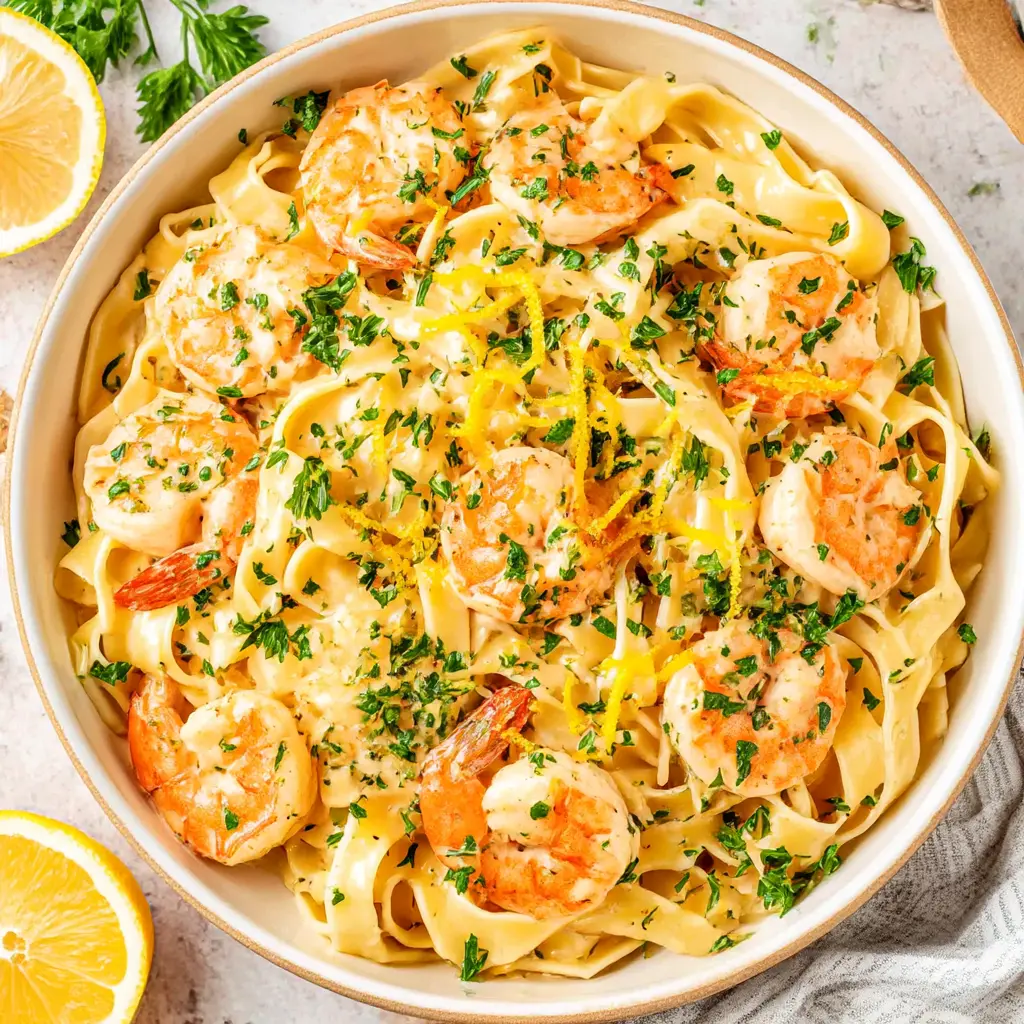
Garlic Butter Shrimp Pasta with Meyer Lemon and Parmesan
Ingredients
Method
- Bring a large pot of well-salted water to a rolling boil. Add the fettuccine and cook until al dente, then drain and set aside.
- In a large skillet, warm the oil over medium heat. Add the minced garlic and cook until fragrant, about 2 minutes.
- Add the butter to the skillet and let it melt into the oil. Add the shrimp and cook, stirring occasionally, until opaque and light pink, about 4 to 6 minutes.
- Reduce the heat to low. Stir in the lemon juice, lemon zest, Parmesan, salt, and pepper. Keep stirring until the cheese melts and the sauce looks glossy.
- Add the cooked fettuccine to the skillet and toss well so every strand is coated with the garlic butter sauce.
- Remove the skillet from the heat and sprinkle with chopped parsley.
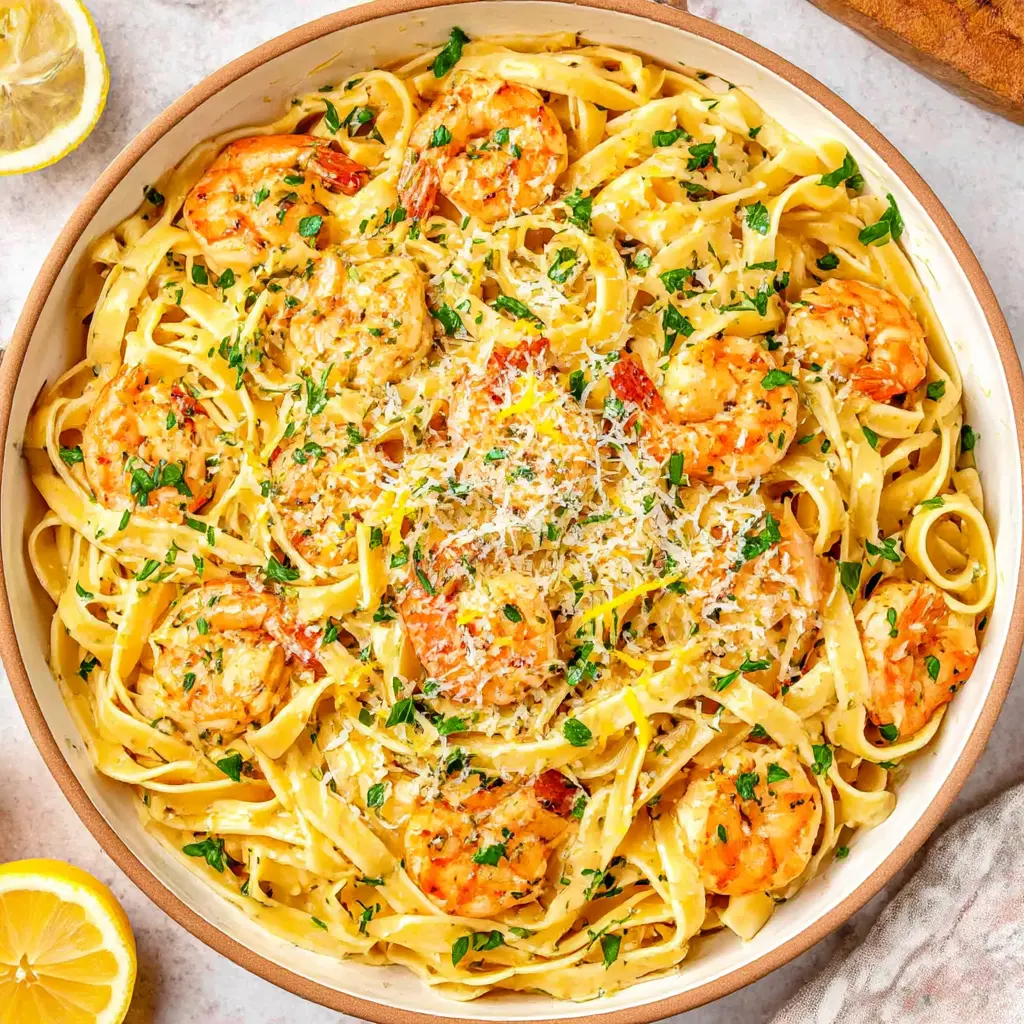
- Serve hot and enjoy this garlic butter shrimp pasta right away.
Nutrition
Notes
Tried this recipe?
Let us know how it was!Why You’ll Love This Garlic Butter Shrimp Pasta
It’s the Friday before Labor Day weekend. You know the drill. Everyone’s hungry, the fridge looks half-empty, and the last thing you want is to crank the oven up in 90-degree heat. This garlic butter shrimp pasta is the dish I make on nights like that. It’s on the table faster than delivery, and it tastes like something you’d pay too much for at a nice restaurant.
I’m not going to pretend I’ve always nailed shrimp. I’ve eaten my share of rubbery, sad, overpriced shrimp. We all have. It scarred us. But this recipe, with its bright Meyer lemon, plenty of fresh garlic, and a glossy butter sauce that actually clings to every strand of fettuccine, is the one that broke the curse. Trust me, if you can boil water, you can make this.
What Is Scampi?
Real scampi, the Italian kind, is a little shellfish creature that looks like a mini lobster. But in America, the word took on a whole different life. Here, “shrimp scampi” became shorthand for shrimp cooked in garlic butter, often with lemon and herbs. Some versions add a splash of white wine or a little cream, but the soul of the dish is always the same.
This garlic butter shrimp pasta is my take on that classic scampi-style family. It keeps everything you love about the original: the nutty butter, the punchy garlic, the bright citrus finish. It’s lighter than a heavy cream sauce, which is exactly what you want when it’s hot enough to fry an egg on the sidewalk. And it comes together in one skillet, which means less cleanup and more time on the porch.
Choosing and Prepping Shrimp
A great garlic butter shrimp pasta starts with the shrimp. Here’s the thing nobody tells you: shrimp is forgiving if you treat it right. Pick good ones, pat them dry, and don’t walk away from the pan. That’s the whole secret.
Where to Buy the Best Shrimp
Living in California, I’m spoiled. Fresh seafood is everywhere, from the market up the street to the fish counter at the grocery store. But here’s a little truth: most “fresh” shrimp was frozen the day it was caught. Frozen shrimp is totally fine, honestly, sometimes better than the stuff that’s been sitting on ice for three days.
Your best bet is a bag of frozen, peeled and deveined shrimp. Wild-caught is my preference. The texture is firmer, the flavor is cleaner, and it’s worth the extra dollar or two. Avoid bags with frost inside. That’s freezer burn, and it means the shrimp are old.
Shrimp vs. Prawn: What’s the Difference?
In the US, we use the words interchangeably. A prawn is technically a different animal with a different gill structure, but at the grocery store? Same thing. Nobody’s checking gills. What matters is size.
For this recipe, you want large shrimp, sometimes labeled jumbo. The count per pound tells you the size. A smaller number means a bigger shrimp. Look for 16 to 20 per pound and you’re in the sweet spot.
How to Prep Shrimp for the Pan
If you bought whole shrimp, you’ll need to peel and devein them. Twist off the head, peel the shell, and use a paring knife to make a shallow cut down the back to pull out the dark vein. It takes a few minutes, but it’s not hard.
The most important step happens right before cooking. Pat the shrimp dry with paper towels. Wet shrimp steam instead of sear, and steaming gives you that pale, rubbery texture nobody wants. I learned this the hard way, standing over a pan of sad gray shrimp, wondering where I went wrong.
Ingredients for Garlic Butter Shrimp Pasta
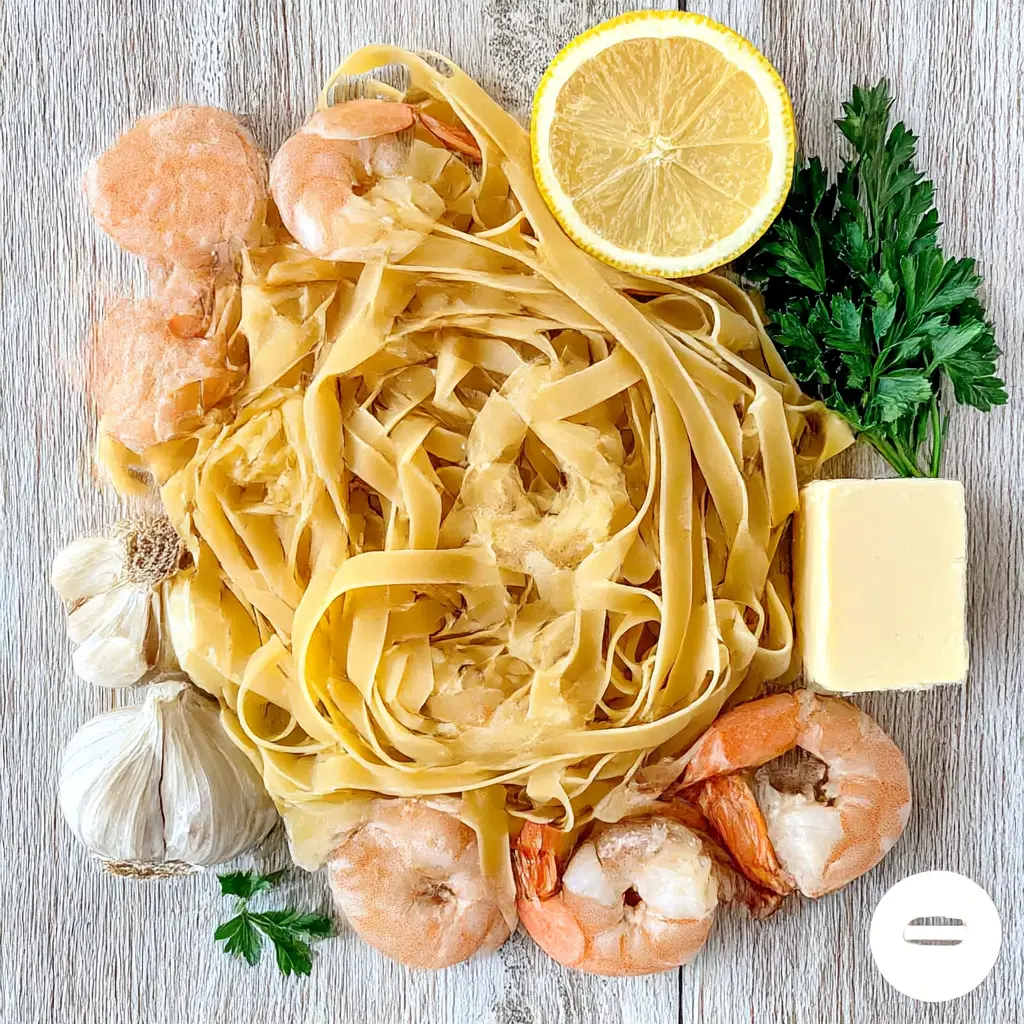
The beauty of this recipe is that it doesn’t need a laundry list of exotic things. A few good ingredients, treated with respect, and you’re there. Here’s what makes the difference:
- Fettuccine: The wide ribbons catch the garlic butter sauce beautifully. Linguine or spaghetti work too, but fettuccine is my pick.
- Meyer lemon: Milder and sweeter than regular lemons. If you use regular ones, start with two tablespoons of juice and taste from there.
- Freshly grated Parmesan: Please don’t use the green can. Pre-shredded cheese won’t melt smoothly, and your sauce will turn grainy.
- Unsalted butter and olive oil: The oil keeps the butter from burning. A hot skillet fixes a lot of mistakes, but burnt garlic isn’t one of them.
How to Make Garlic Butter Shrimp Pasta
Cooking this dish is all about timing, but it’s easier than it sounds. I’ll walk you through the four stages. Think of it like a song: get the rhythm right, and everything falls into place.
Stage One: Get the Pasta Going
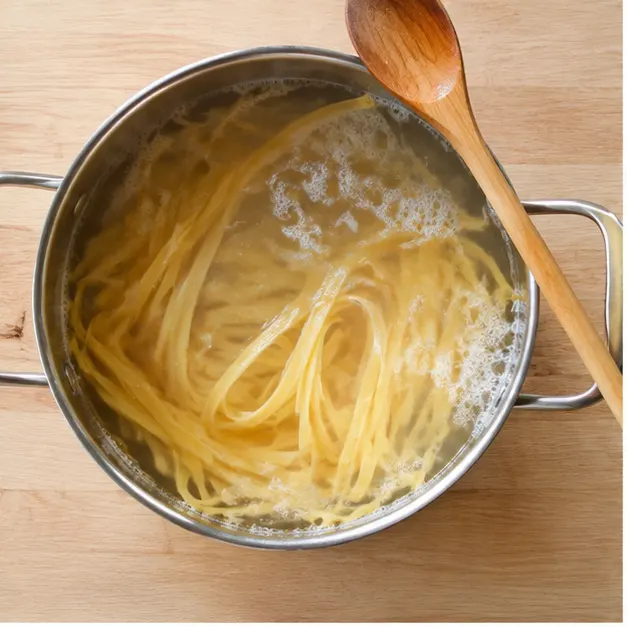
First, bring a big pot of well-salted water to a rolling boil. Salt it like the sea, that’s the only chance the pasta gets to season from the inside. Drop in your fettuccine and cook it until al dente.
Here’s the trick most people don’t know: reserve about half a cup of pasta water before draining. That starchy water is liquid gold. It emulsifies the butter sauce and turns it into a silky glaze that clings to every strand. I promise, this one tip changes everything.
Stage Two: Garlic and Butter
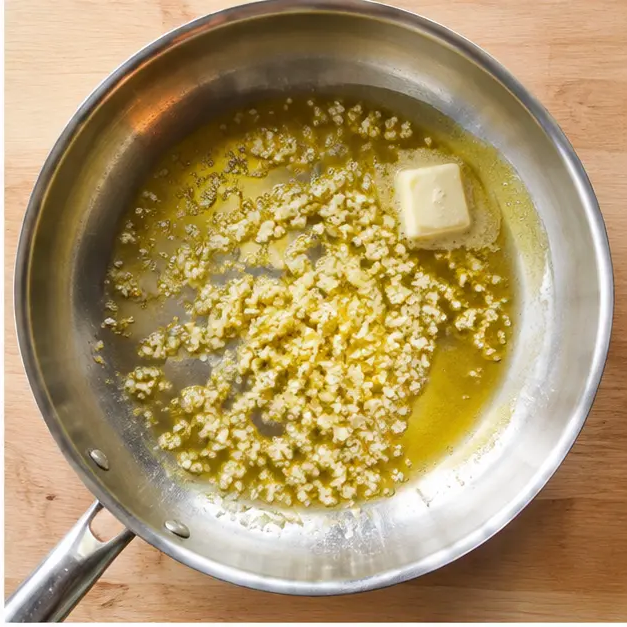
While the pasta works, warm the olive oil in a large skillet over medium heat. Add the minced garlic and let it cook until fragrant, about two minutes. You want it soft and golden, not brown. Brown garlic is bitter garlic, and it’ll ruin the whole dish.
Then add the butter and let it melt into the oil. Listen to the sizzle, it’ll tell you the truth. The kitchen should smell like the best garlic bread you’ve ever had. That’s when you know you’re on the right track.
Stage Three: The Shrimp
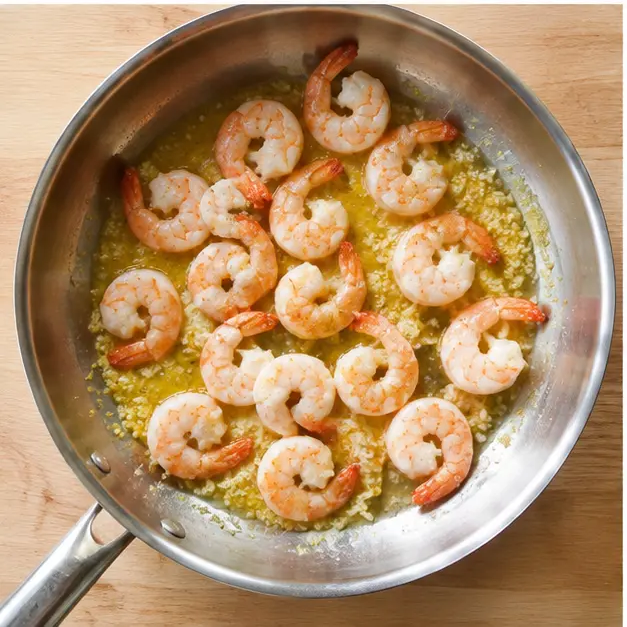
Add the shrimp to the skillet and cook, stirring occasionally, until they’re opaque and light pink. About four to six minutes total. The doneness cue is visual: they should curl into a loose C shape. Curlier than that, like a full circle, and you’ve gone too far.
I can’t overstate this. Shrimp cook fast because they’re thin. Overcooked shrimp turn chewy because the protein fibers tighten and squeeze out moisture. The moment you see that pink color and that loose curl, move on to the next stage. Don’t leave them in the pan. Don’t answer your phone. Just go.
Stage Four: The Glossy Finish
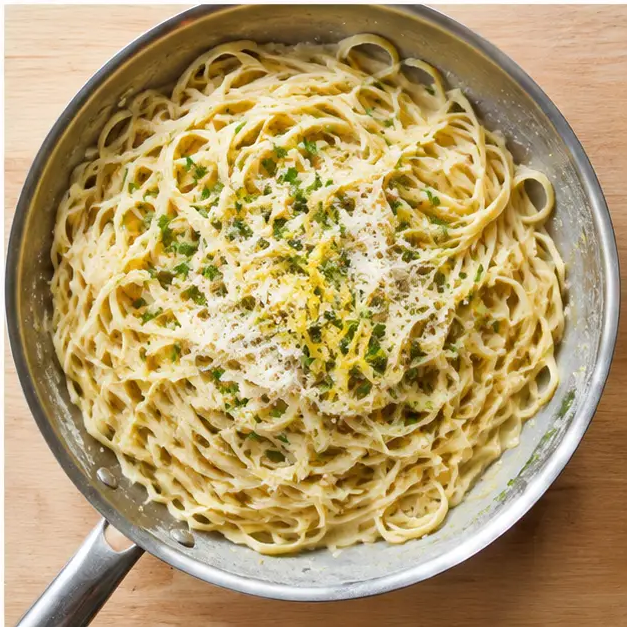
Drop the heat to low. Stir in the lemon juice, lemon zest, Parmesan, salt, and pepper. Keep stirring until the cheese melts and the sauce turns glossy. Then add the cooked fettuccine and toss it well, coating every strand.
If the sauce looks tight or dry, splash in a little of that reserved pasta water. It loosens everything up and gives it that restaurant-style shine. Remove the skillet from the heat, sprinkle with fresh parsley, and serve it hot. Sixty seconds later, you’re staring at dinner.
Recipe Tips and Variations
Here’s where you can make this garlic butter shrimp pasta your own. The base recipe is solid as-is, but small tweaks keep it interesting when you make it every week, and trust me, you will.
Common Mistakes (And How to Avoid Them)
- ❌ Overcooking the shrimp until they curl into a full circle. ✅ Pull them at the loose C.
- ❌ Using pre-grated Parmesan. ✅ Grate it fresh; it melts like a dream.
- ❌ Pouring regular lemon juice in without tasting. ✅ Meyer lemons are sweeter, so adjust regular lemons to taste.
- ❌ Forgetting the pasta water. ✅ Reserve half a cup before draining; you’ll thank me.
Optional variations, if the mood strikes you:
- Add a pinch of red pepper flakes along with the garlic for a little heat.
- Swap the fettuccine for linguine, spaghetti, or angel hair pasta.
- For a richer sauce, stir in a splash of heavy cream at the end.
- For a more classic scampi, a splash of white wine with the lemon works beautifully.
- A handful of fresh spinach or cherry tomatoes thrown in at the last minute adds color and bulk.
Storage and Reheating Leftovers
This dish is best served right away, no arguments there. But if you have leftovers, they’ll keep in an airtight container in the fridge for up to two days. The pasta will soak up some sauce as it sits. That’s just physics, not a failure on your part.
To reheat, do it gently. A skillet over medium-low with a splash of water or broth brings the sauce back to life without turning the shrimp into rubber. Avoid the high-powered microwave setting. I know it’s tempting. It’s a trap.
Frequently Asked Questions
When you make this tonight, and you will, I want to hear about it. Tag me when you make it, I’d love to see your twirl-plate moment. And if you’re looking for more inspiration, come hang out on my Pinterest board where I collect all the weeknight winners worth repeating. Congrats, you just made a $22 restaurant dish for about $8, and you did it faster than delivery.
Source: Learn More About This Dish