
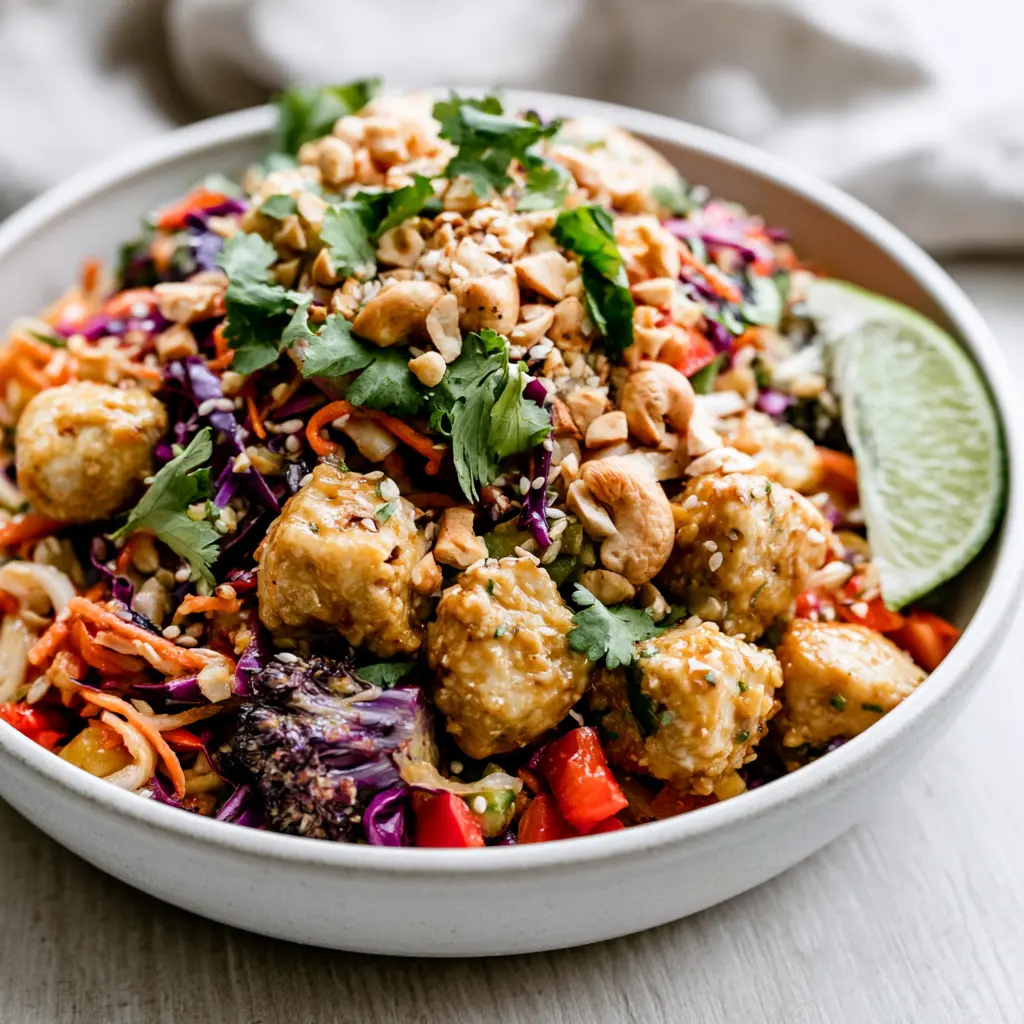
I have a confession to make. My first attempt at chicken pad thai was an absolute disaster. Gummy noodles, scorched garlic, and a sauce that tasted suspiciously like ketchup. My family stared at me like I’d served them a science experiment.
But here’s the thing: I’ve spent years testing every fix since then. And this easy chicken pad thai? It’s the one I make on repeat. It’s noodle-free, ridiculously veggie-packed, and comes together in one skillet. No takeout required.
Why You’ll Love This Chicken Pad Thai
Let me paint the picture. It’s 6 PM, the kids are hangry, homework is scattered everywhere, and you’re staring at the takeout menu for the third time this week. Sound familiar?
This is the recipe that breaks that cycle. It hits all the sweet, tangy, savory notes of your favorite Thai restaurant dish, but it’s actually good for you. Here’s what makes this chicken pad thai special:
- One skillet, minimal cleanup. One wok or large skillet, one cutting board, maybe one small bowl for the sauce. That’s the whole deal.
- Noodle-free but never sad. Crunchy broccoli slaw stands in for rice noodles, so you get all the texture without the carb crash.
- Paleo, Whole30, and gluten-free. No fish sauce, no soy sauce, no refined sugar. Just clean, real ingredients.
- Ready in about 35 minutes. Faster than delivery, and way more impressive. Plus, no oven required, which means your California kitchen stays cool in this August heat.
And honestly? The first time I served this, my daughter asked if we could order “that same thing” from a restaurant. She had no idea she was eating a kitchen experiment. That’s the quiet win every parent wants.
What Is Chicken Pad Thai?
Traditional pad thai is Thailand’s most famous stir-fried noodle dish. It usually stars rice noodles, bean sprouts, scrambled egg, and a sauce built on tamarind paste, fish sauce, and palm sugar, all tossed in a screaming-hot wok.
This chicken pad thai takes all those flavors and gives them a modern twist. Instead of rice noodles, we’re using broccoli slaw and shredded cabbage. Instead of fish sauce, coconut aminos brings that salty-savory depth. And creamy almond butter replaces the traditional peanut sauce texture, with fresh lime juice cutting through the richness.
The result? A bright, nutty, satisfying bowl that leaves you feeling light instead of sluggish. It’s the kind of meal that makes you wonder why you ever waited 45 minutes for delivery.
Ingredients for Chicken Pad Thai
Here’s what you’ll need. Most of this stuff is probably already in your fridge, which is half the reason I love this easy chicken pad thai.
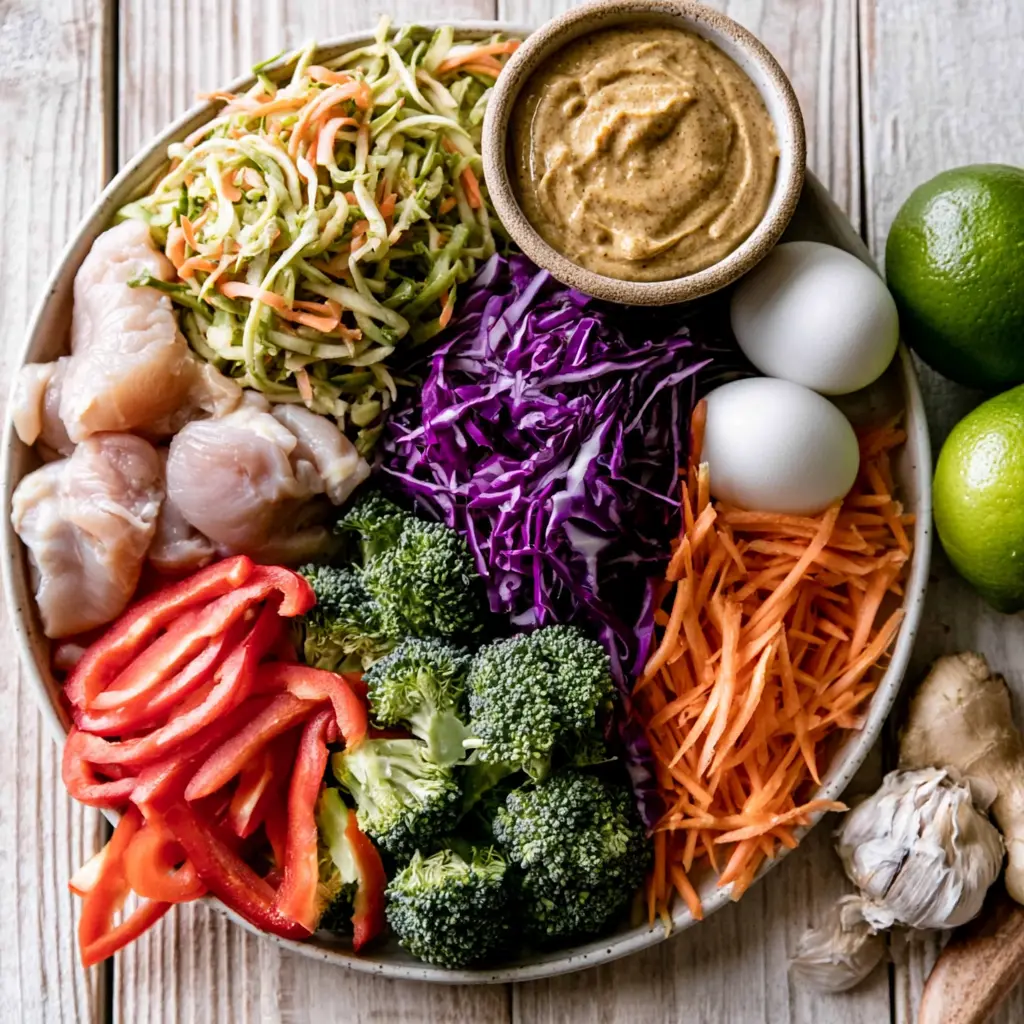
- Chicken breast, cut into 1-inch cubes. Thighs work great too if that’s what you’ve got.
- Broccoli slaw, red cabbage, and carrots. This trio is the secret noodle stand-in, and it brings serious crunch.
- Red bell pepper and yellow onion for natural sweetness.
- Garlic and fresh ginger. Non-negotiable for that aromatic kick.
- Eggs, lightly whisked, for gorgeous ribbons of scrambled egg.
- Almond butter, coconut aminos, lime juice, rice vinegar, toasted sesame oil, and crushed red pepper flakes. This is your pad thai sauce, and it’s dangerously easy to whisk together.
For the sauce, pick a drizzly, creamy almond butter. If your jar is thick and stiff, stir it with a splash of warm water first. Not doing Whole30? Creamy peanut butter is a fantastic swap.
Can’t find broccoli slaw? Grab an equal amount of shredded cabbage and carrots and call it a day. Trader Joe’s and Ralphs both carry it near the bagged salads, usually right next to the coleslaw mix.
How to Make Chicken Pad Thai
This is one of those stir-fry situations where everything moves fast once you start. So take a breath, measure out your sauce ingredients, and trust the process. You’ve got this.
Step 1: Scramble the Eggs
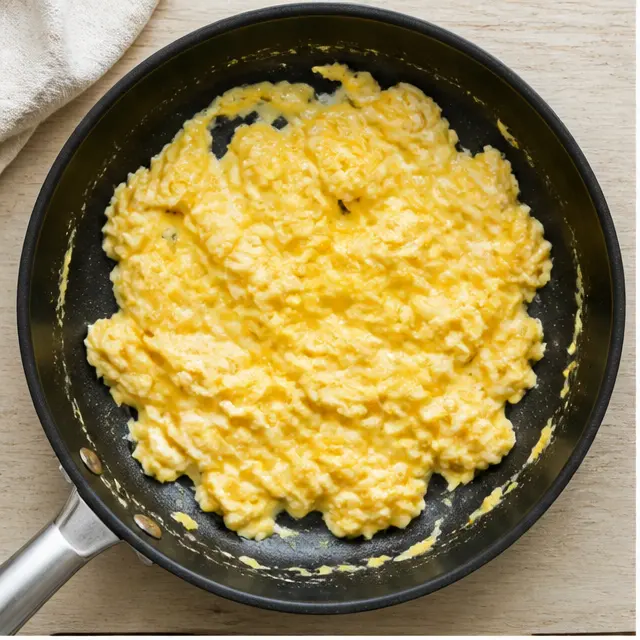
Heat a large 12-inch skillet over medium heat with a teaspoon of oil. Pour in your whisked eggs and gently scramble them until they’re just set, with soft, silky curds. Transfer them to a plate and set aside.
This is where the tender scrambled egg magic happens. You cook them first so they stay soft and glossy instead of turning rubbery later.
Step 2: Cook the Chicken and Vegetables
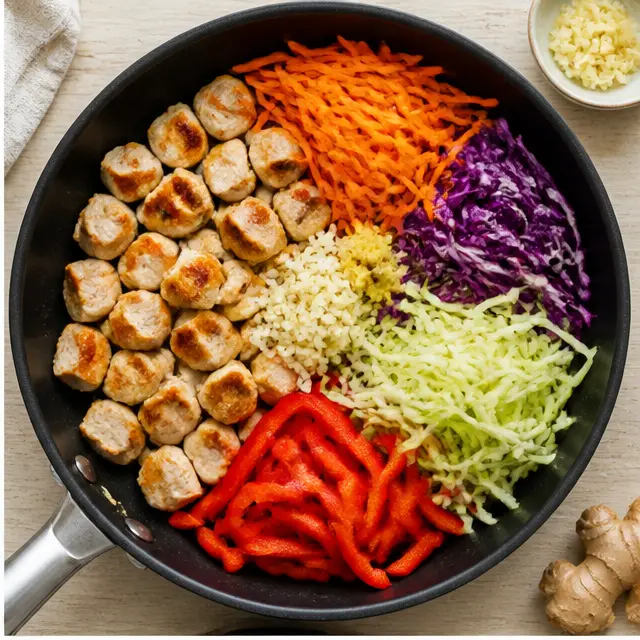
Add the remaining oil, then toss in your cubed chicken. Let it brown for about 2 minutes, stirring often. Now pile in the broccoli slaw, cabbage, carrots, bell pepper, onion, the white parts of the green onions, garlic, and ginger. Season with salt and pepper.
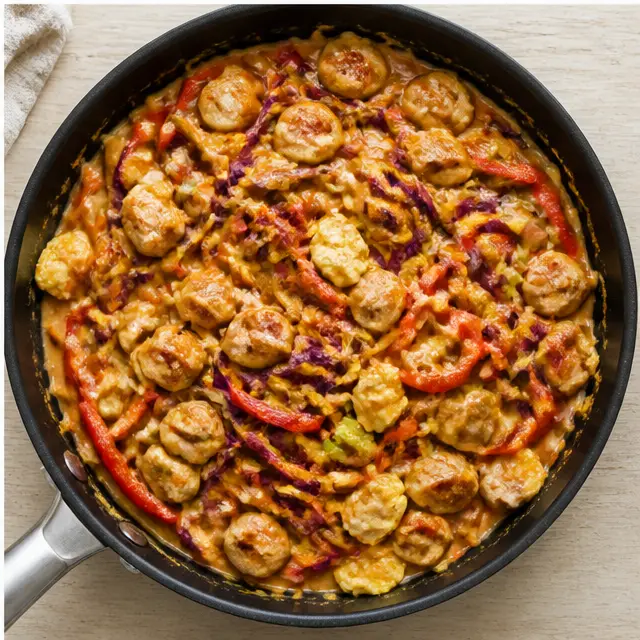
This is the moment you’ll look at your skillet and think, “There’s no way this all fits.” Wait, don’t panic. The vegetables cook down more than you’d believe. Keep stirring for 8 to 12 minutes until the chicken is cooked through and the veggies have softened but still hold their crunch.
Step 3: Whisk the Sauce
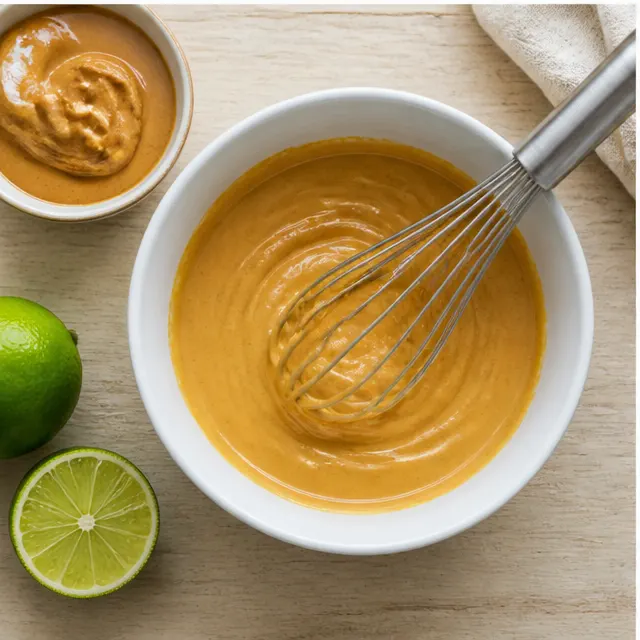
While the vegetables do their thing, make the sauce. In a small bowl, whisk together the almond butter, coconut aminos, lime juice, crushed red pepper, rice vinegar, and toasted sesame oil until silky smooth.
It should smell nutty, tangy, and a little bit magical. If it looks too thick, don’t panic. You can stir in a splash of water or extra lime juice at the end to loosen it up.
Step 4: Combine and Serve
Return the scrambled eggs to the skillet, toss in the dark green parts of the green onions, and pour the sauce over everything. Stir to coat every strand of veggie and every cube of chicken. Cook for 1 to 2 minutes, just until everything is heated through and glossy.
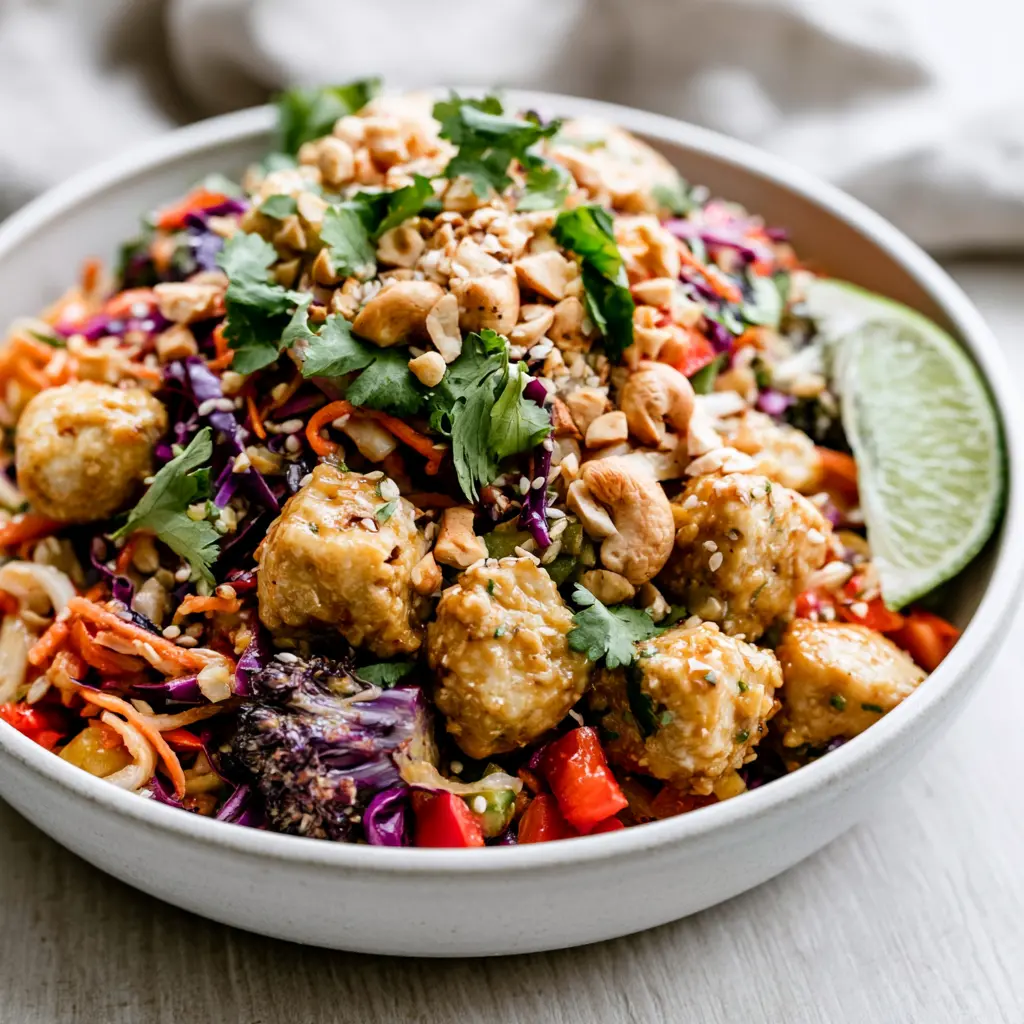
Serve hot, piled high with fresh cilantro, chopped roasted cashews, sliced green onion, and a sprinkle of sesame seeds. And don’t skip the lime wedge. That final squeeze of fresh lime juice brightens the whole bowl.
Expert Tips for the Best Chicken Pad Thai
After making this dish roughly a hundred times, here are the fixes I wish I’d known from day one.
- Use a 12-inch skillet. A bigger pan means the vegetables can spread out and actually cook instead of steaming into a soggy pile. No wok required.
- Cut the chicken small. One-inch cubes cook fast and make sure every single bite gets some protein.
- Prep everything before you start. Stir-frying moves quickly. Have your veggies chopped, garlic minced, and sauce whisked before the pan heats up.
Here’s the mistake I see most often: dumping all the sauce in at once. Don’t do it. The sauce should glaze the vegetables, not pool at the bottom. Pour it in, toss, and let it cling.
One more thing. If your sauce ever looks too thick after it hits the pan, just stir in a tablespoon or two of water. It’ll loosen right up and coat everything perfectly.
Flavor Variations for Chicken Pad Thai
Once you’ve mastered the base chicken pad thai, the variations are endless. This is where you make it yours.
- Turn up the heat: Add extra crushed red pepper flakes or a drizzle of your favorite hot sauce at the end.
- Swap the protein: Shrimp, diced chicken thighs, or cubed tofu all work beautifully. For a vegetarian version, skip the chicken and pile on extra veggies or tofu.
- Change the nut butter: Peanut butter is the classic choice if you’re not on Whole30. Just go easy on added sweetener since many peanut butters are already sweetened.
- Add extra vegetables: Mushrooms, baby corn, or zucchini noodles would be right at home here. A handful of bean sprouts at the end adds that classic restaurant crunch.
- Switch the herbs: Fresh Thai basil instead of cilantro is a lovely change of pace.
How to Store and Reheat Leftovers
Let’s be honest, leftovers are a bonus, because this chicken pad thai is usually gone in one sitting. But if you manage to save some, here’s the drill.
Store it in an airtight container in the fridge for up to 3 days. To reheat, warm it in a skillet over medium heat with a splash of water or a little extra sauce to bring back the moisture. The microwave works in a pinch, but the skillet keeps the veggies from turning mushy.
For meal prep, chop all your vegetables and whisk the sauce up to a day ahead. Keep the sauce separate, and scramble the eggs fresh right before serving for the best texture.
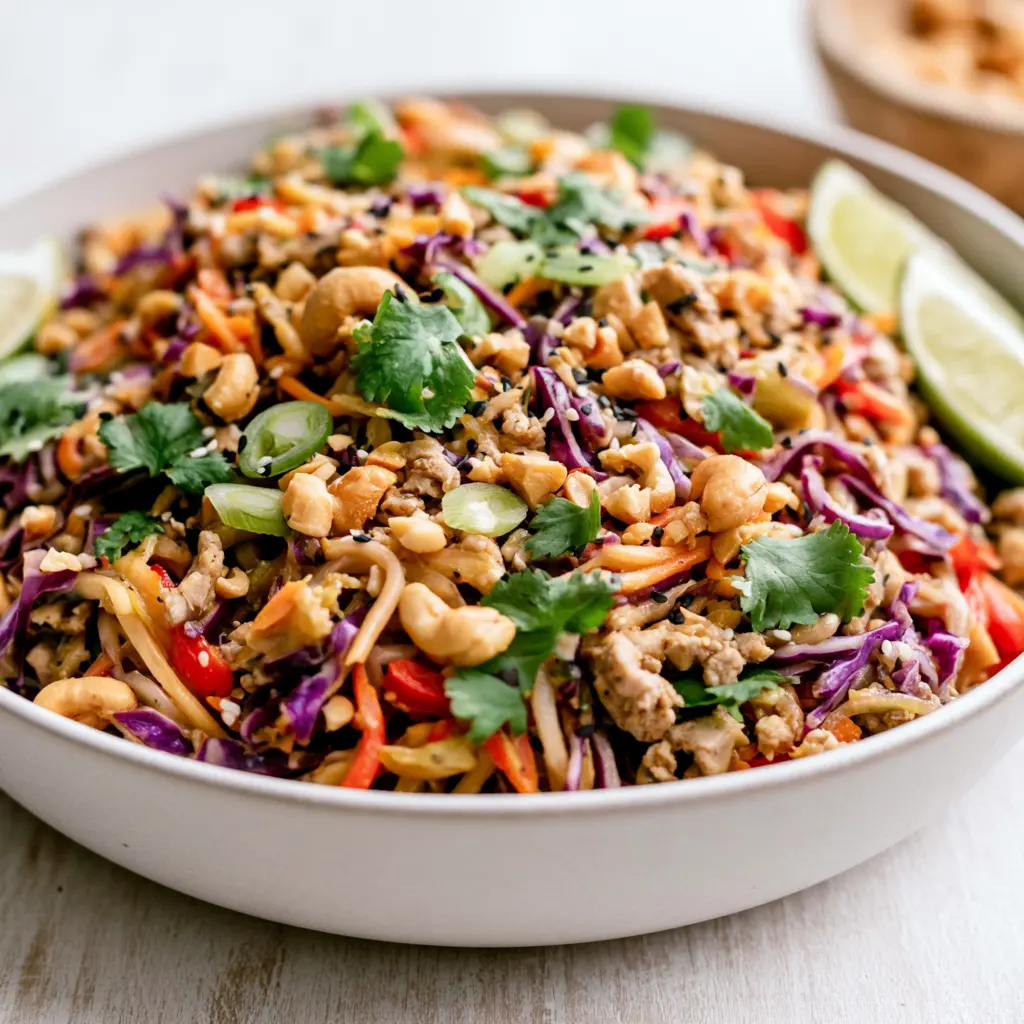
There you have it. Your takeout app just lost. The first batch will be gone before you sit down, and the family will already be asking when you’re making it again. Welcome to your new Tuesday night hero.
Loving this one-skillet wonder? Me too. Come follow along on Pinterest for more easy weeknight dinners that beat takeout every single time.
Chicken Pad Thai (Noodle-Free) with Crunchy Veggies
Ingredients
Method
- Heat a large 12-inch skillet over medium heat and add 1 teaspoon of the oil. Pour in the whisked eggs and scramble until just set, then transfer to a plate and set aside.
- Add the remaining 1 teaspoon oil to the skillet, then add the cubed chicken and cook for about 2 minutes, stirring often. Add the broccoli slaw, red cabbage, carrots, bell pepper, onion, white and light green parts of the green onions, garlic, and ginger; season with salt and black pepper. The skillet will look very full, but keep cooking for 8 to 12 minutes, stirring occasionally, until the vegetables have softened and the chicken is cooked through.
- While the vegetables cook, make the sauce: in a small bowl whisk together the almond butter, coconut aminos, lime juice, crushed red pepper, rice vinegar, and toasted sesame oil until smooth.
- Return the scrambled eggs to the skillet, add the dark green parts of the green onions, and pour in the sauce. Stir everything together and cook for 1 to 2 minutes, until heated through.
- Serve hot topped with cilantro, cashews, sliced green onion, sesame seeds, and a squeeze of fresh lime juice.
Nutrition
Notes
Tried this recipe?
Let us know how it was!Chicken Pad Thai FAQs
Source: Learn More About This Dish