
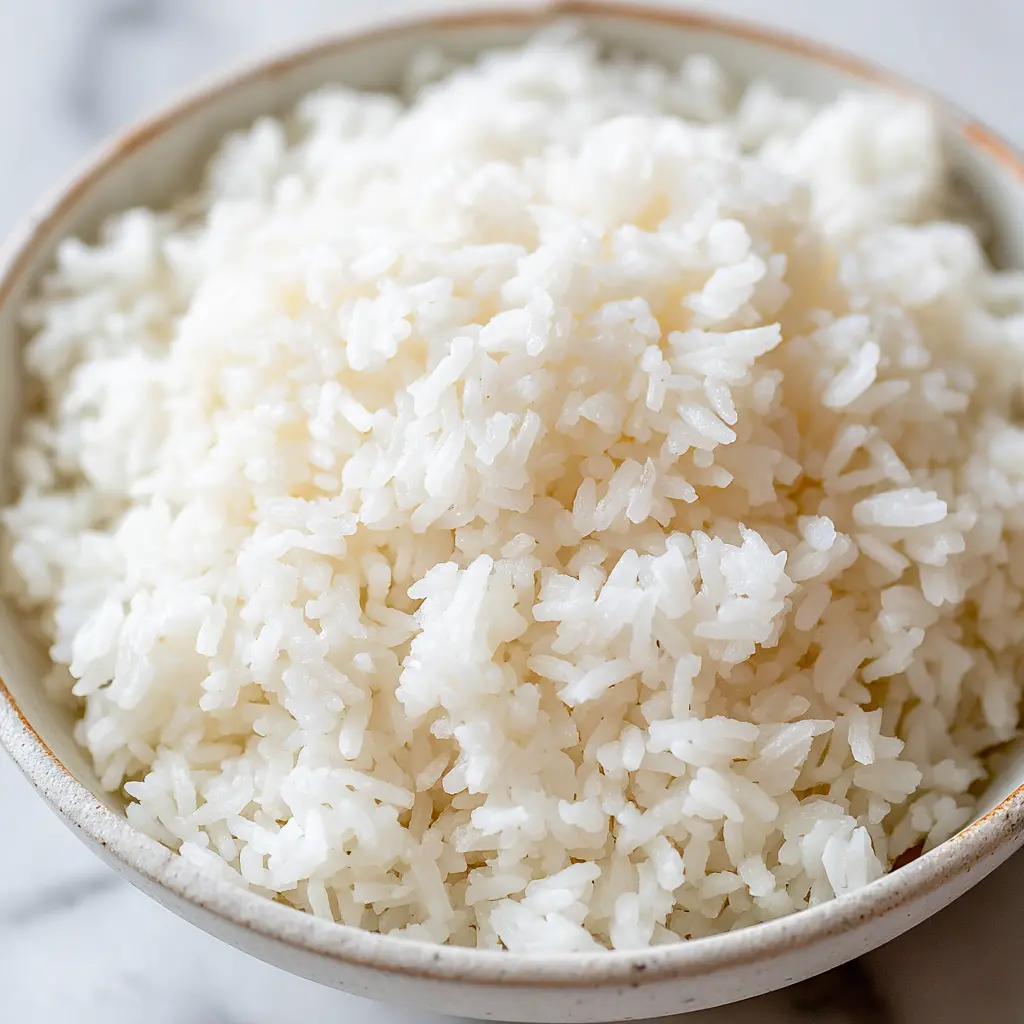
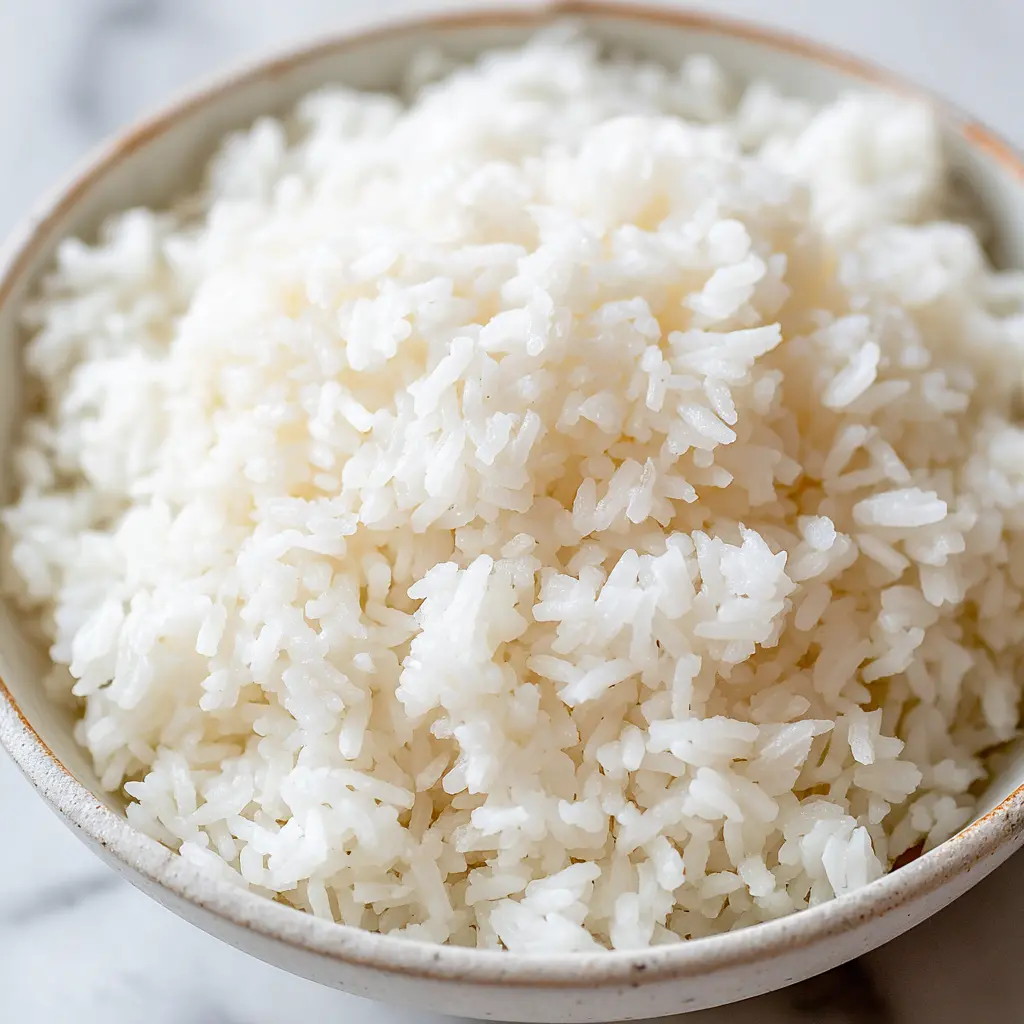
How to Cook Rice Perfectly Every Time: A Simple Stovetop Method
Ingredients
Method
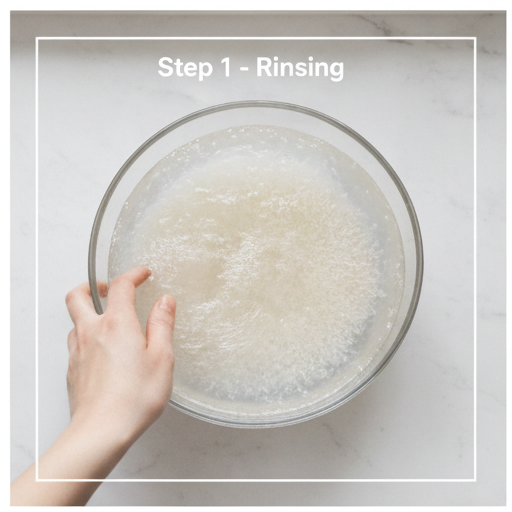
- Place the rice in a fine mesh strainer and rinse it well under cool running water until the water runs clear. Drain thoroughly and set aside.
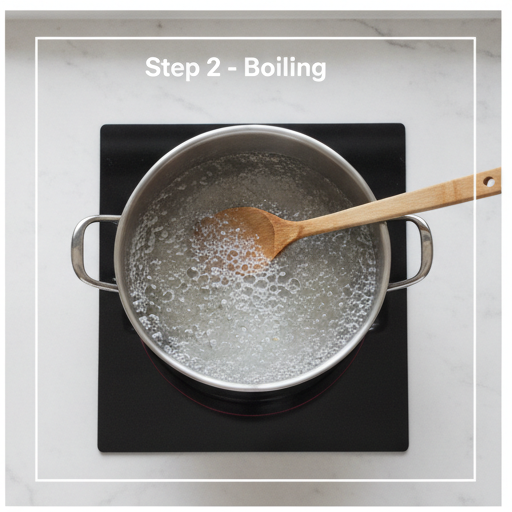
- In a medium saucepan or pot, combine the water and butter (or olive oil). Bring the mixture to a rolling boil over medium-high heat.
- Once the water is boiling, stir in the rinsed rice.
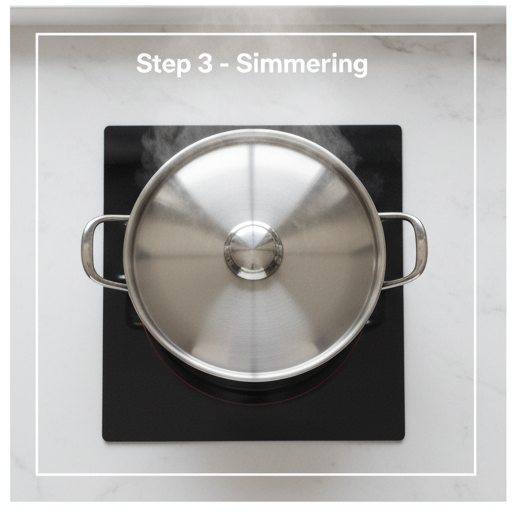
- Immediately cover the pot with a tight-fitting lid and reduce the heat to the lowest possible setting. Cook for 15 minutes without lifting the lid. The pot should maintain a very gentle simmer.
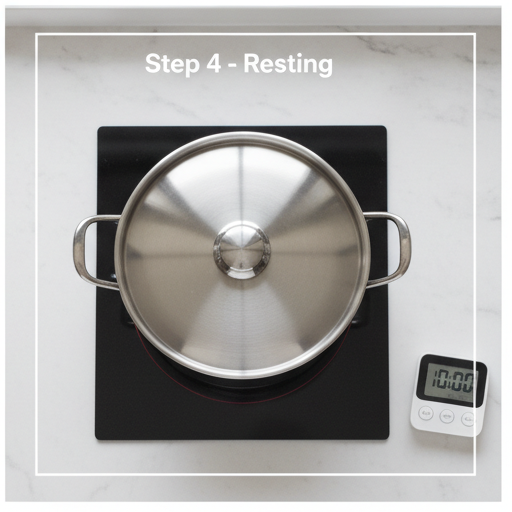
- Remove the pot from the heat and let it sit, still covered, for 10 minutes. Then fluff the rice gently with a fork or spatula and serve.
Nutrition
Notes
Tried this recipe?
Let us know how it was!I Used to Burn Rice Every Single Time
Okay, I’ll just say it. I used to be terrible at cooking rice. Like, embarrassingly bad. I’d end up with a pot of mushy, sticky paste or, even worse, a blackened, burnt crust that smelled like a campfire. It was a whole thing. I’d get so frustrated, you know? You think, “It’s just rice and water, how hard can it be?” But then you lift the lid and… disaster.
So when I tell you I’ve figured out how to cook rice perfectly every time, I mean it. This method is the one that finally worked for me. It’s simple, it’s reliable, and it takes the guesswork out of the whole process. No more hovering, no more praying to the rice gods. Just fluffy, tender, perfect rice. Every. Single. Time.
I promise, if I can do it, you can too. Let’s get into it.
Why This Recipe Works
So what makes this the best way to cook rice? It’s all about the technique. It’s not some fancy chef secret. It’s just a few simple tricks that make a world of difference.
- Perfect water to rice ratio. This is the big one. For white rice, the magic number is 1.5 cups of water for every 1 cup of rice. That’s it. No more, no less. It gives you that ideal texture separate, fluffy grains that aren’t dry or mushy.
- A little fat for flavor. A teaspoon of butter or a splash of olive oil adds a subtle richness and helps keep the grains from sticking together. It’s a small touch, but it makes a big difference in the final texture and taste.
- The low-and-slow simmer. You bring the water to a boil, add the rice, then immediately turn the heat down to the lowest setting. This gentle simmer allows the rice to absorb the water evenly without scorching on the bottom. No burnt rice here!
- The crucial resting step. This is the part everyone skips, and it’s a game-changer. After cooking, you let the pot sit, covered, off the heat for 10 minutes. This allows the steam to finish the cooking process and the grains to firm up. It’s the secret to that perfect fluffy texture.
It’s a simple formula, but it works. I’ve tested it with long-grain, medium-grain, and short-grain white rice, and it nails it every time. Seriously, it’s like a cheat code for how to cook rice.
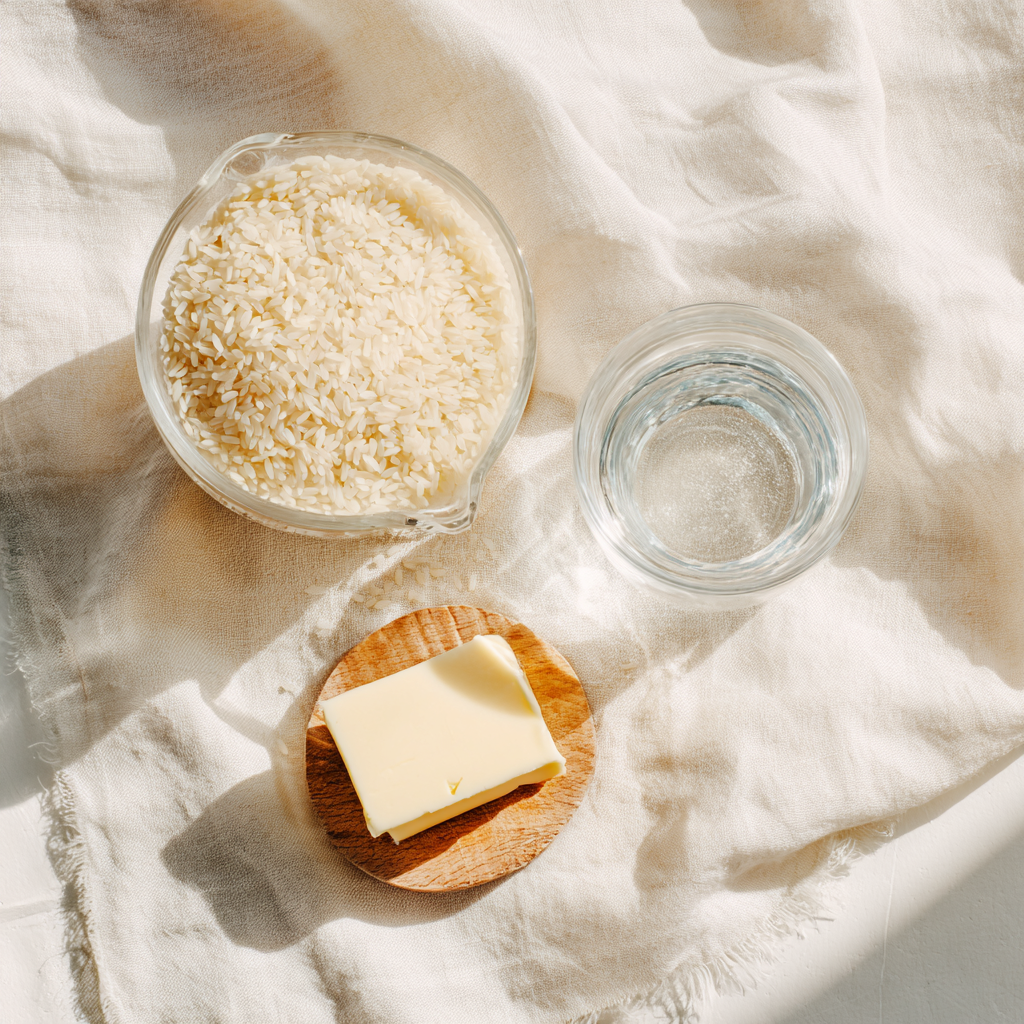
Rice to Water Ratio: The Golden Rule
Let’s talk about the ratio. This is the foundation of perfect rice. Get this right, and you’re 90% of the way there. For standard white rice whether it’s long-grain, jasmine, or basmati the ratio is 1 cup of rice to 1.5 cups of water.
I know you might see other ratios out there. Some say 1:2, others say 1:1.75. But for this stovetop method, 1:1.5 is the sweet spot. It gives you that perfect, fluffy texture without being too wet or too dry. It’s the ratio I’ve tested and trusted for years.
Here’s a quick cheat sheet for different amounts:
- 1 cup rice → 1.5 cups water (cooks about 3 cups cooked rice)
- 2 cups rice → 3 cups water (cooks about 6 cups cooked rice)
- 3 cups rice → 4.5 cups water (cooks about 9 cups cooked rice)
Just remember that ratio. It’s your new best friend. And if you’re wondering about brown rice, the ratio changes to about 1:2.5, but we’ll save that for another day. For now, let’s master white rice.
Do You Need to Rinse Rice?
Ah, the great rinsing debate. Some people swear by it, others never bother. So what’s the deal? Rinsing rice removes the excess starch from the surface of the grains. That starch is what makes rice sticky and clumpy. If you want fluffy, separate grains, rinsing is your friend.
For this recipe, I highly recommend rinsing. It takes about 30 seconds and makes a noticeable difference. Here’s how to do it:
- Place your rice in a fine-mesh strainer.
- Rinse it under cool, running water, swishing the grains around with your fingers.
- Keep rinsing until the water runs clear. That’s the key. At first, the water will be cloudy with starch. When it runs clear, you’re done.
Now, here’s a little tip: if you rinse your rice, you want to drain it really well. A little excess water clinging to the grains can throw off the ratio. So give it a good shake in the strainer. And if you’re using a rice cooker, you might want to reduce the water by a tablespoon or two to compensate for the rinse. But for this stovetop method, the 1:1.5 ratio works perfectly with rinsed rice.
If you’re short on time or just don’t feel like rinsing, you can skip it. Your rice will be a bit stickier, but it’ll still be delicious. No judgment here!
How to Cook Rice on the Stove
Okay, this is the main event. The step-by-step guide to how to cook rice on the stove. I’ve broken it down into four simple stages. Follow these, and you’ll be a rice-cooking pro in no time.
Stage 1: Rinse and Prep
First things first, rinse your rice. Place it in a fine-mesh strainer and rinse under cool water until the water runs clear. Give it a good shake to drain off the excess water. Then, set it aside while you get the pot ready. This is the perfect time to grab your pot and measure your water.
Stage 2: Boil the Water
In a medium saucepan or pot, combine the water and your butter or olive oil. Bring the mixture to a rolling boil over medium-high heat. You want to see big, vigorous bubbles. Don’t rush this step. A good, strong boil is important for the next part. You’ll hear it start to bubble and sizzle that’s the sound of success.
Stage 3: Simmer, Don’t Stir
Once the water is boiling, stir in the rinsed rice. Immediately cover the pot with a tight-fitting lid and reduce the heat to the lowest possible setting. This is crucial. You want a very gentle simmer, not a vigorous boil. Cook for 15 minutes. And here’s the most important rule: do not lift the lid. Not even a peek. Every time you lift the lid, you let out steam, and that steam is what’s cooking your rice. Trust the process. Let it do its thing.
Stage 4: Rest and Fluff
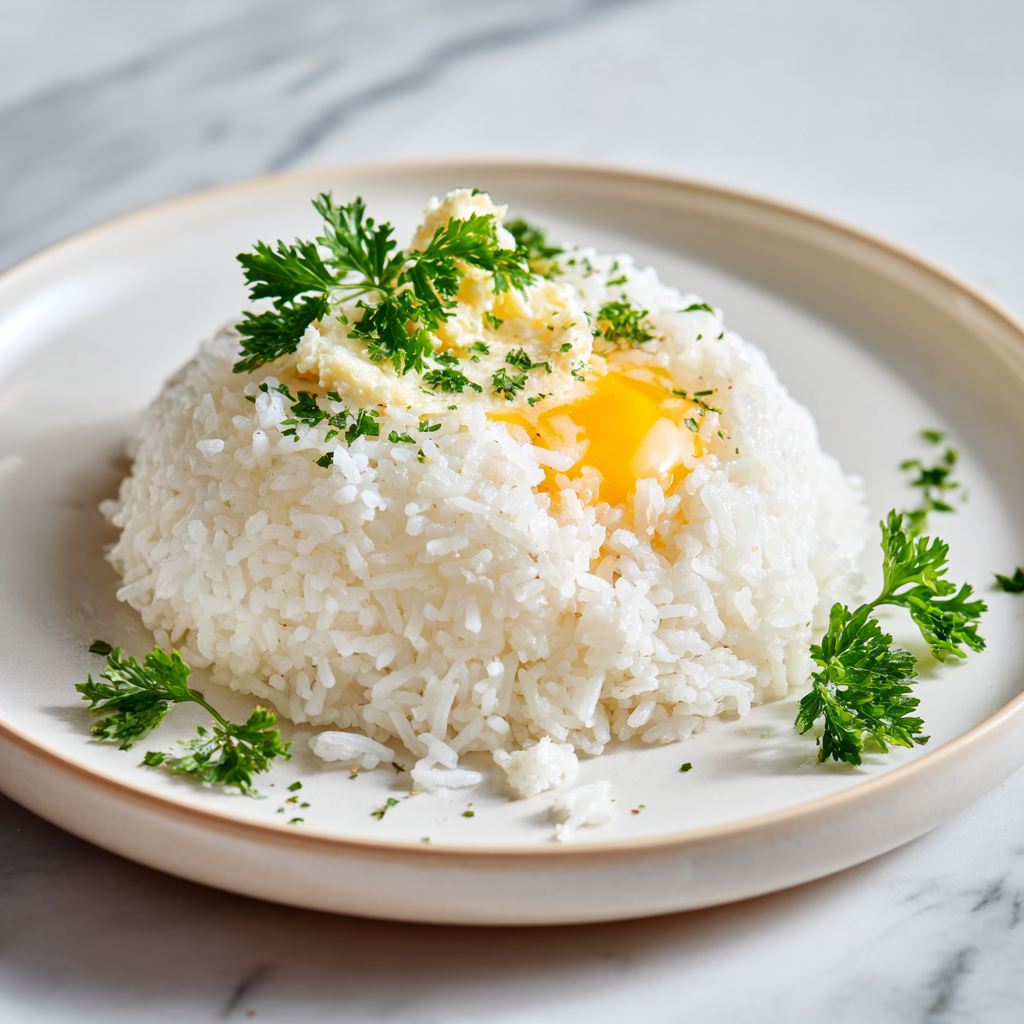
After 15 minutes, remove the pot from the heat. Keep the lid on! Let it rest for another 10 minutes. This is the resting step I mentioned. It’s non-negotiable. During this time, the rice is still absorbing the last bit of moisture and the grains are setting. After 10 minutes, remove the lid. You’ll see perfectly cooked, fluffy rice. Gently fluff it with a fork or a spatula. Don’t stir it vigorously, or you’ll break the grains. Just a gentle fluff. And that’s it. You’ve done it. Perfect rice.
How to Store and Reheat Leftover Rice
So you made a big batch of perfect rice. Now what? Leftover rice is a gift. It’s the base for quick fried rice, a side for tomorrow’s dinner, or a simple lunch bowl. But you have to store it right.
Here’s how to store leftover rice:
- Let the rice cool completely. Don’t leave it out for more than 2 hours.
- Transfer it to an airtight container.
- Store it in the refrigerator for up to 4 days.
And here’s how to reheat it without drying it out:
- Microwave: Place the rice in a microwave-safe bowl. Add a splash of water (about a tablespoon per cup of rice). Cover with a damp paper towel or a microwave-safe lid. Microwave on high for 1-2 minutes, or until heated through. Fluff with a fork.
- Skillet: Place the rice in a skillet over medium heat. Add a splash of water. Cover and cook for 2-3 minutes, stirring occasionally, until heated through.
- Stovetop: Place the rice in a small saucepan with a splash of water. Cover and heat over low heat for 2-3 minutes.
You can also freeze cooked rice for up to 3 months. Just let it cool completely, then transfer it to a freezer-safe bag or container. To reheat, thaw it in the fridge overnight, then use one of the methods above.
Rice Troubleshooting
Even with the best method, things can go wrong. Don’t worry, it happens to everyone. Here are the most common rice-cooking mistakes and how to fix them.
Common Mistakes and How to Fix Them
❌ Mistake: Lifting the lid while cooking. This lets out steam and can lead to unevenly cooked rice. ✅ Solution: Trust the process. Don’t peek! The steam is doing the work.
❌ Mistake: Stirring the rice while cooking. This activates the starch and makes the rice gluey and sticky. ✅ Solution: Once you add the rice to the boiling water and cover the pot, leave it alone. No stirring.
❌ Mistake: Skipping the resting step. This is the most common mistake. The rice needs that 10 minutes off the heat to finish absorbing and firm up. ✅ Solution: Set a timer. Don’t skip it.
❌ Mistake: Using too much water. This leads to mushy, overcooked rice. ✅ Solution: Stick to the 1:1.5 ratio. It’s perfect.
❌ Mistake: Using too large a pot. A wide, shallow pot can cause the water to evaporate too quickly. ✅ Solution: Use a medium saucepan with a tight-fitting lid.
❌ Mistake: Not reducing the heat to low. A vigorous boil will cause the water to evaporate too fast and can scorch the rice. ✅ Solution: After adding the rice, immediately reduce the heat to the lowest setting.
❌ Mistake: Rinsing rice without adjusting the water amount. If you rinse your rice, make sure to drain it well. A little extra water can throw off the ratio. ✅ Solution: Shake the strainer well after rinsing.
If your rice is a bit too wet, you can try leaving the lid off for a few minutes to let the excess moisture evaporate. If it’s a bit dry, add a splash of water, cover, and let it steam for another minute or two. And if you end up with a scorched bottom, don’t worry. Just scoop the top, unburnt rice into a bowl and serve. It happens to the best of us.
What to Serve with White Rice
White rice is the ultimate blank canvas. It’s the perfect side dish for so many meals. Here are a few of my favorite ways to serve it.
- Stir-fries: A classic for a reason. Serve it under a colorful veggie and protein stir-fry. The rice soaks up all that delicious sauce.
- Curries: Whether it’s a creamy Thai curry or a spicy Indian curry, rice is the perfect partner to balance the flavors.
- Grilled proteins: A simple grilled chicken breast or a piece of fish is perfect over a bed of fluffy rice. Add a squeeze of lemon and some steamed veggies.
- Rice bowls: Build your own bowl! Start with rice, then add your protein, veggies, a sauce, and some toppings like avocado, sesame seeds, or a fried egg.
- As a side for any saucy dish: Think of it as a sponge for all those delicious juices. It’s great with chili, stews, or braised meats.
And don’t forget about fried rice! Leftover rice is the best for making fried rice. It’s a whole meal in itself. Just toss it in a hot wok with some veggies, protein, and soy sauce. It’s a weeknight hero.
Frequently Asked Questions
Variations to Try
Once you’ve mastered the basic method, it’s fun to mix things up. Here are a few of my favorite variations.
Toasted Rice. This is a game-changer. Before adding the water, melt a tablespoon of butter or heat a tablespoon of oil in the pot over medium heat. Add the rinsed rice and cook, stirring constantly, for 2-3 minutes until the grains are fragrant and lightly golden. Then add the water and proceed as usual. The toasting adds a nutty, almost popcorn-like flavor that’s incredible with stir-fries or grilled chicken.
Garlic Rice. While you’re toasting the rice, toss in a couple of minced garlic cloves for the last 30 seconds. Be careful not to burn the garlic. This infuses the rice with a subtle garlic flavor that’s perfect with just about anything.
Coconut Rice. Replace half the water with canned coconut milk. Add a pinch of salt and a teaspoon of sugar. Cook as usual. The result is a rich, slightly sweet rice that’s amazing with Thai curries or Caribbean dishes.
Herbed Rice. Add a few sprigs of fresh herbs like thyme, rosemary, or cilantro to the pot before you add the water. The steam will infuse the rice with a delicate herbal flavor. Just remove the herb stems before fluffing.
Broth Instead of Water. Swap the water for chicken, vegetable, or beef broth. This adds a savory depth that’s perfect for serving alongside stews or braised meats. Just be careful with the salt broth is already seasoned, so you might want to skip the extra salt.
Expert Notes & Data Insights
Here’s the thing I’ve read a lot of rice advice over the years, and I’ve tested a lot of methods. The one I’m sharing with you is the one that worked for me, but I want to be transparent about the science behind it. Because once you understand why something works, you stop needing to follow a recipe blindly.
Why you should never lift the lid. When you lift the lid, you release steam. That steam is what’s cooking the rice. Every time you peek, you’re essentially hitting pause on the cooking process. The steam inside the pot creates a consistent, humid environment that allows the rice to absorb water evenly. Lift the lid, and you get uneven cooking some grains will be mushy, others will be hard. It’s physics, not magic.
Why resting is non-negotiable. During the cooking time, the rice grains are absorbing water and swelling. But the process isn’t complete when the timer goes off. The grains still have moisture trapped in their centers. The 10-minute rest off the heat allows that moisture to redistribute evenly. It’s like letting a steak rest after cooking the juices settle, and the texture improves dramatically. Skip it, and you get sticky, gummy rice.
Why you shouldn’t stir. Stirring activates the starch on the surface of the grains. That starch then creates a gluey, sticky matrix that clumps the rice together. By leaving the rice alone, you allow the grains to cook in their own steam bath, staying separate and fluffy. It’s a lesson in patience, really.
I’ve tested this method with long-grain white rice, jasmine, basmati, and even medium-grain sushi rice. It works every time. The only adjustment is for brown rice, which needs a 1:2.5 ratio and about 45 minutes of cooking time. But for white rice? This is my go-to. It’s the method I use when I’m making dinner for my family, and it’s the method I teach anyone who asks me how to cook rice.
So there you have it. No more burnt rice. No more mushy paste. Just perfect, fluffy rice every single time. I promise, if I can do it, you can too. Now go forth and cook some rice, my friend. You’ve got this.