
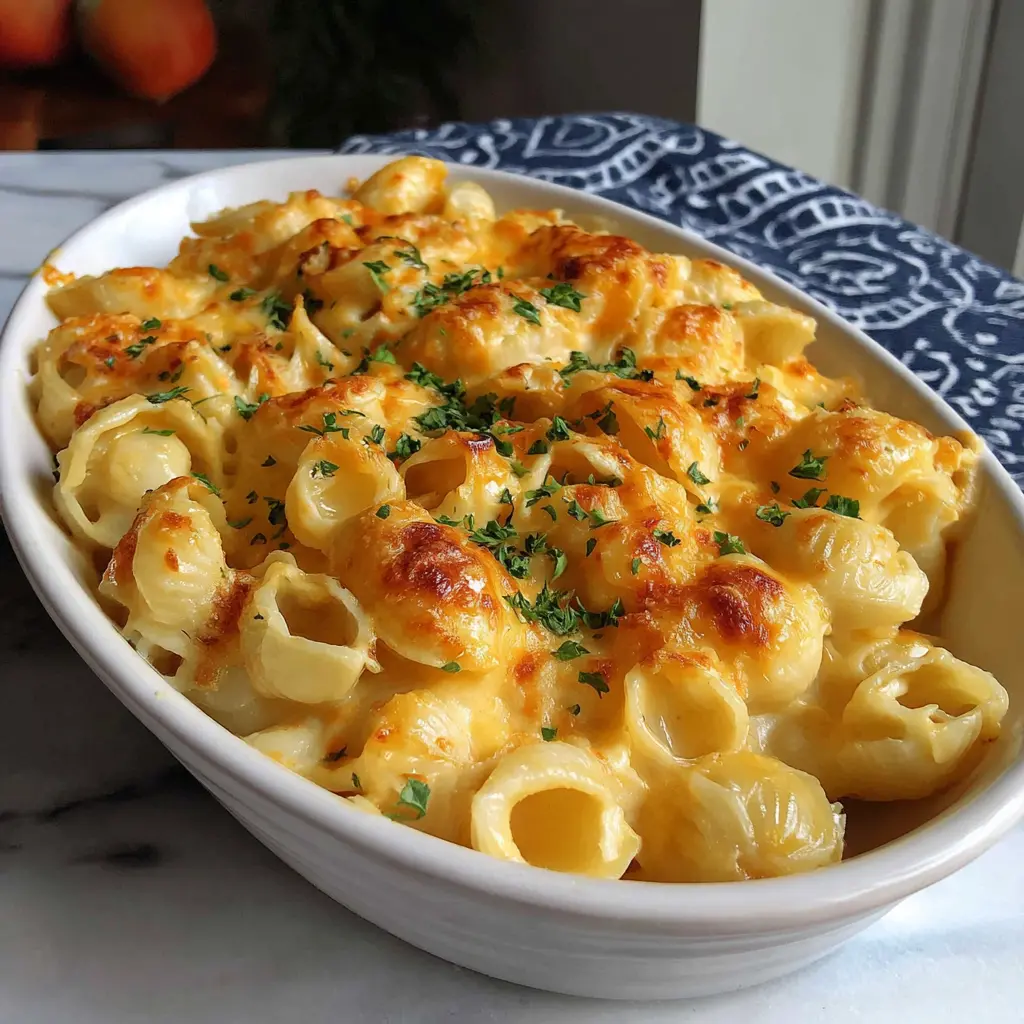
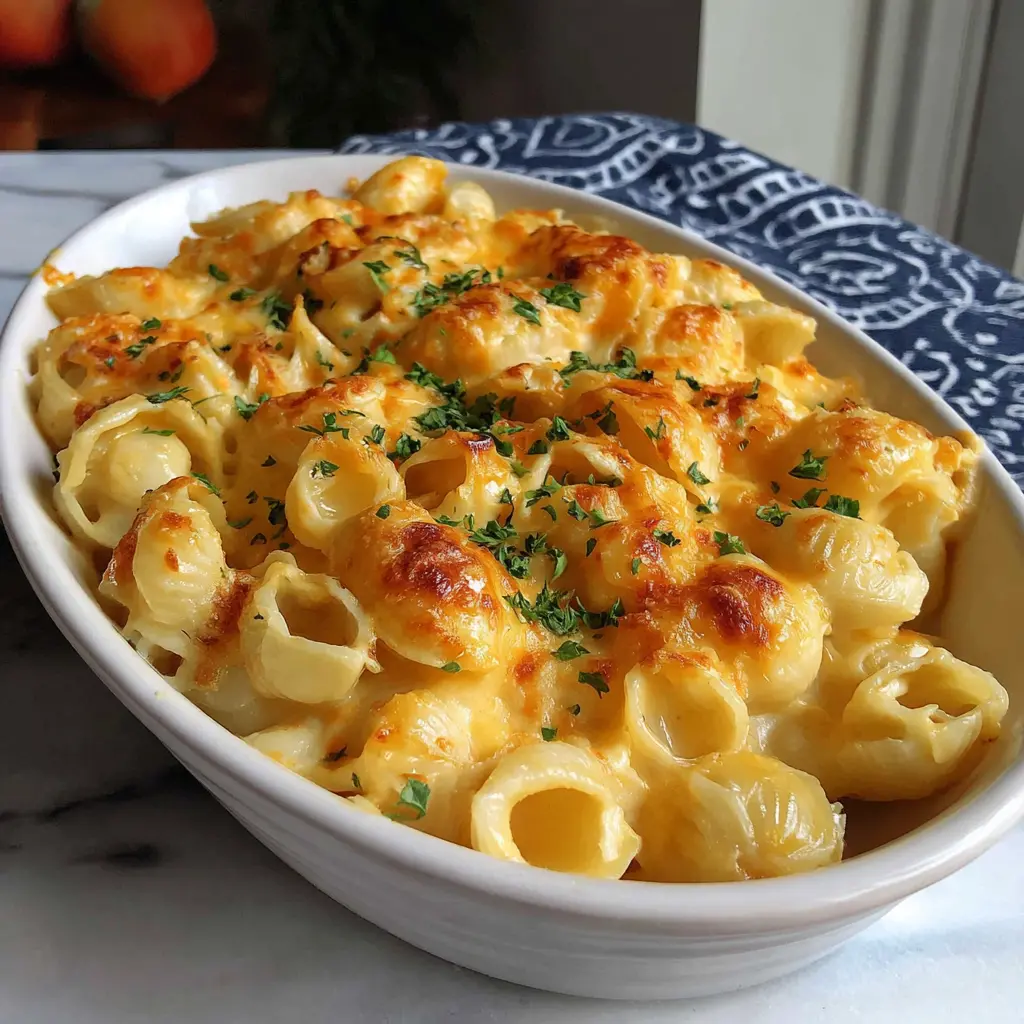
Martha Stewart Mac and Cheese: Creamy Stovetop Delight
Ingredients
Method
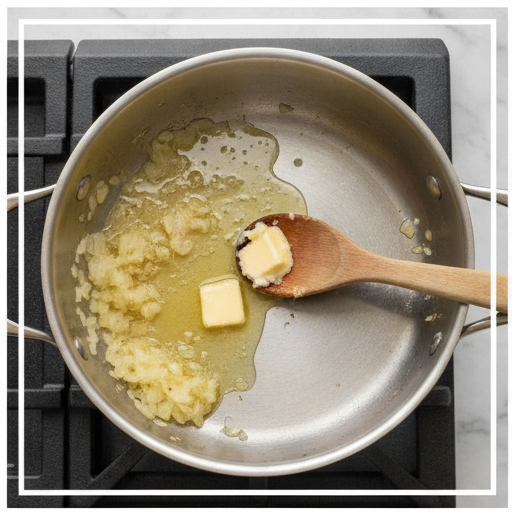
- In a large saucepan over medium heat, melt the butter. If using onion, add it and cook until softened, about 3 minutes.
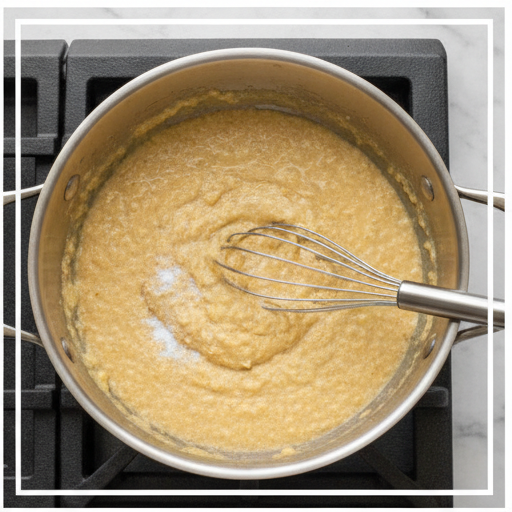
- Sprinkle in the flour and salt, stirring constantly for 3 to 4 minutes until the mixture turns a pale golden brown and has a texture like oatmeal.
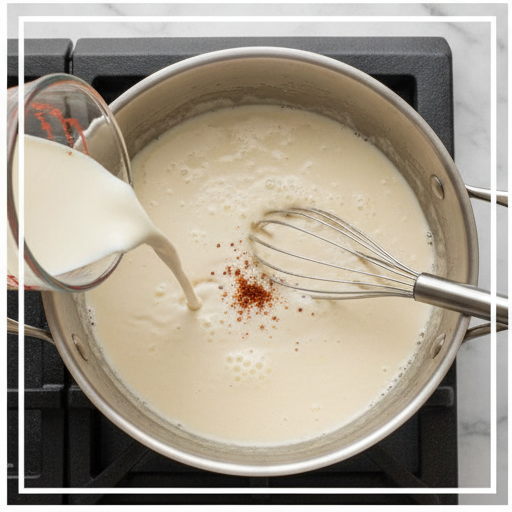
- While whisking continuously, slowly pour in the milk. Add the cayenne and keep whisking until the sauce comes to a gentle boil.
- Reduce the heat to low and continue whisking until the sauce thickens and no longer feels grainy, about 2 to 3 minutes.
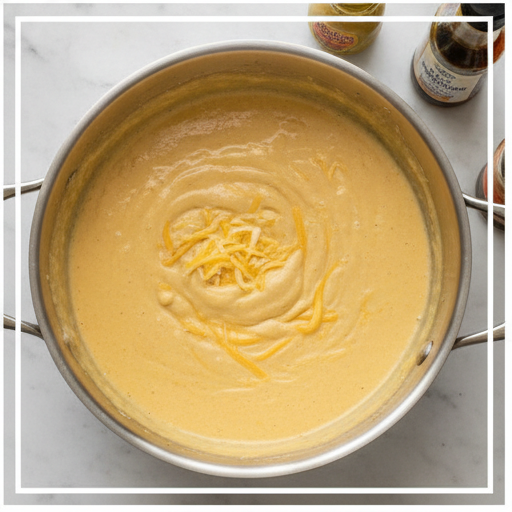
- Remove the pan from the heat. Stir in the shredded cheddar, Dijon mustard, and Worcestershire sauce until the cheese is fully melted and the sauce is smooth.
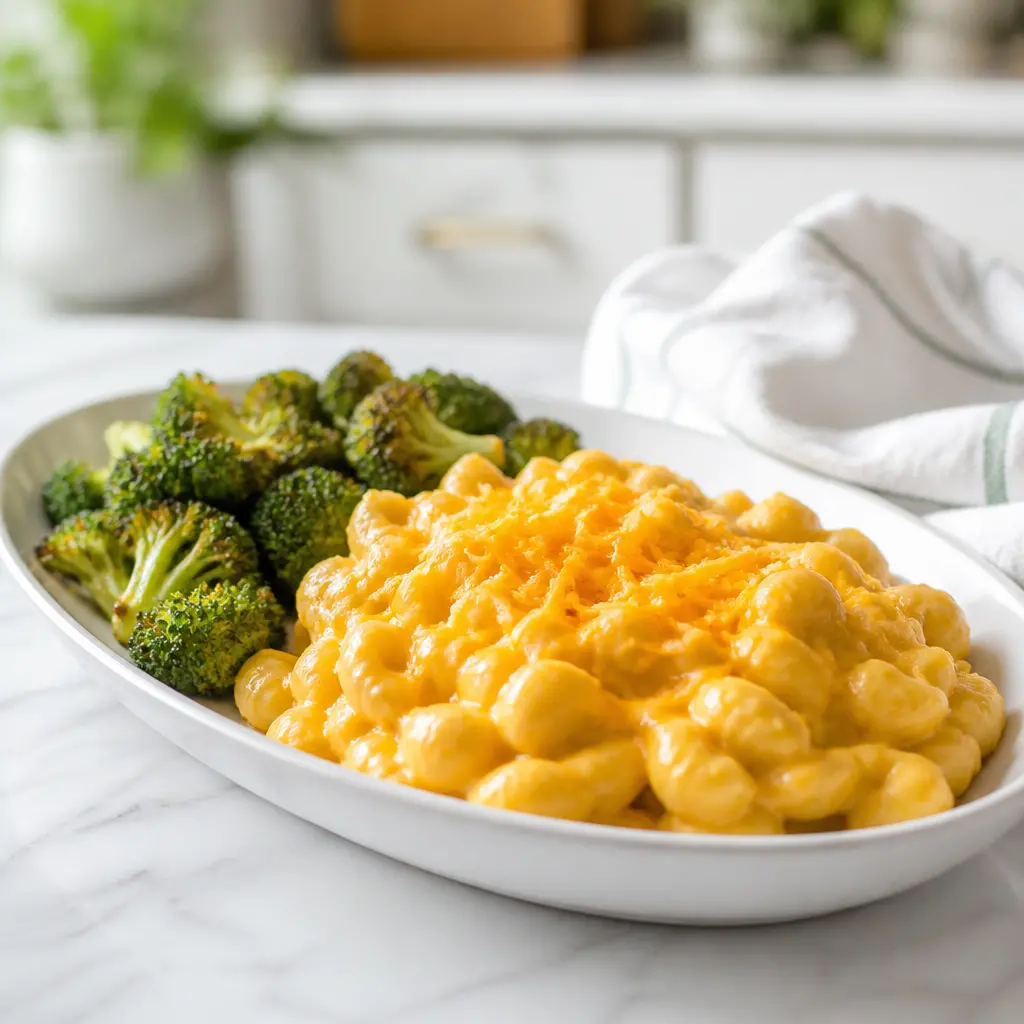
- Pour the cheese sauce over the cooked pasta and stir until everything is well coated.
- Serve immediately and enjoy.
Nutrition
Notes
Tried this recipe?
Let us know how it was!Why This Martha Stewart Mac and Cheese Works
I have a confession. For years, I thought the only way to get truly creamy mac and cheese was to bake it. You know the drill, a béchamel, layers of cheese, a breadcrumb crust, and a solid 30 minutes in the oven. And don’t get me wrong, that version has its place. But then I stumbled onto this Martha Stewart mac and cheese, and honestly, it changed everything.
This isn’t the baked version you see at holiday dinners. This is the stovetop Martha Stewart mac and cheese, the one that comes together in about 25 minutes and tastes like you spent all afternoon on it. The secret? A sharp cheddar base, a touch of Dijon, a whisper of cayenne, and a technique that guarantees a silky, non-grainy sauce every single time.
What I love most is how forgiving it is. The first time I made this creamy mac and cheese recipe, I was convinced I’d messed up the roux. It looked clumpy, then it looked watery, and I was ready to toss it. But I trusted the process, and within minutes, it transformed into the most velvety sauce I’d ever made. That’s the magic of this dish, it rewards patience and a little faith.
This has become my go-to for busy weeknights when we want comfort food without the fuss. It’s also my secret weapon for potlucks and casual dinners. Everyone asks for the recipe, and I love telling them it’s a copycat Martha Stewart recipe that’s actually easier than it looks.
So if you’ve been intimidated by making cheese sauce from scratch, or you’ve had past failures with oily, broken sauces, this is the recipe that will change your mind. I promise, you can do this.
Ingredients You’ll Need
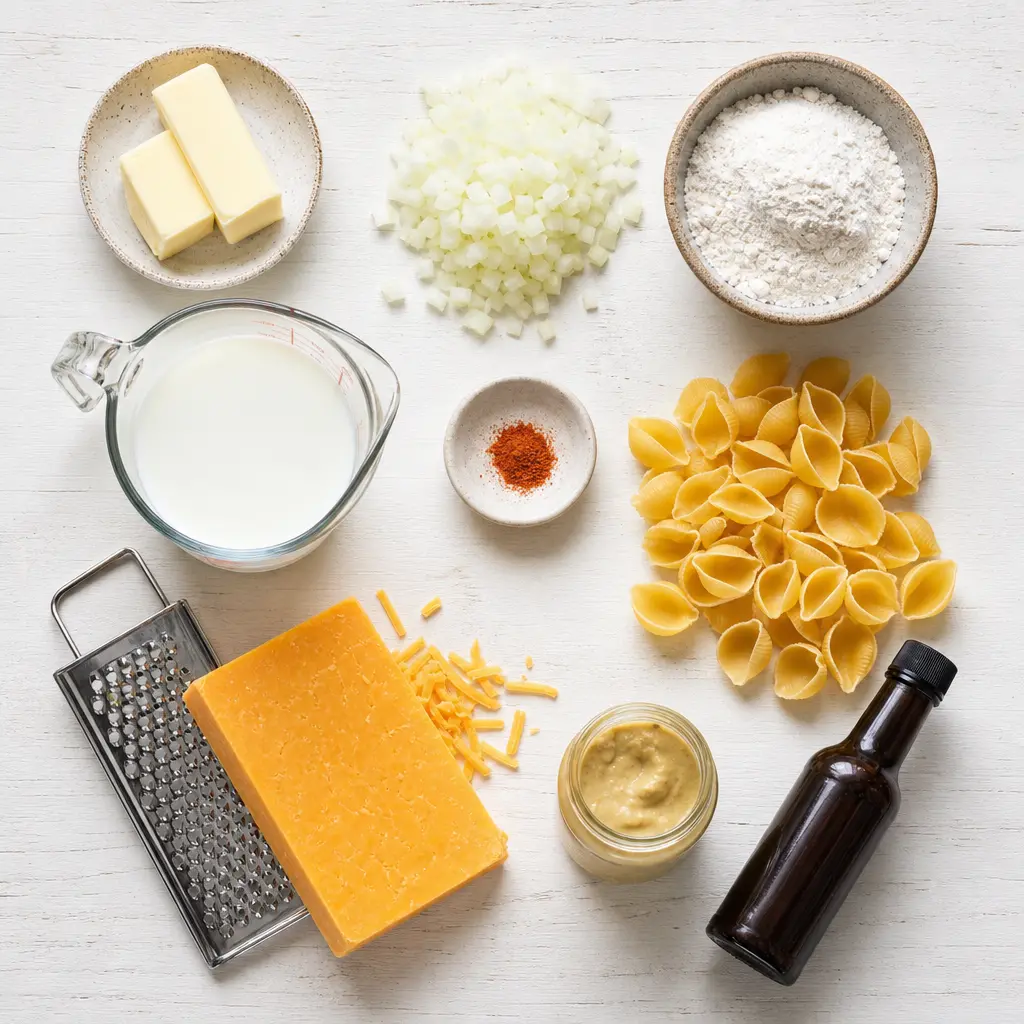
The beauty of this Martha Stewart mac and cheese lies in its simplicity. You don’t need a dozen fancy cheeses or obscure ingredients. Just a few pantry staples that come together to create something truly special.
Let’s break down what you’ll need and why each ingredient matters.
- Unsalted butter: 3 tablespoons. This forms the base of your roux. Using unsalted lets you control the salt level yourself.
- Finely chopped yellow onion: 1/4 cup. Totally optional, but I never skip it. It adds a subtle savory depth that makes the sauce taste more complex.
- All-purpose flour: 1/3 cup. The backbone of the roux. It thickens the milk into a luscious béchamel.
- Kosher salt: 1 teaspoon. Seasoning is key. Don’t be shy.
- Whole milk: 3 cups. This is non-negotiable for the creamiest result. Low-fat milk will work in a pinch, but the sauce won’t be as rich.
- Cayenne pepper: 1/8 teaspoon. Just a tiny kick. It doesn’t make the dish spicy, it just wakes up all the other flavors.
- Shell pasta or elbow macaroni: 12 ounces. I love shells because they hold the sauce in their little cups, but elbows are classic. Cook them al dente, they’ll continue cooking slightly in the hot sauce.
- Shredded sharp cheddar cheese: 4 cups (about 1 pound). This is the star. Buy a block and shred it yourself, pre-shredded cheese has anti-caking agents that can make your sauce grainy.
- Dijon mustard: 1 teaspoon. A little tang that cuts through the richness.
- Worcestershire sauce: 1 teaspoon. Adds that umami depth you can’t quite place but would miss if it were gone.
That’s it. Ten ingredients, and most of them are probably in your kitchen right now. For the best cheese for mac and cheese, stick with sharp cheddar, it has the flavor punch you need. If you want to get fancy, you can swap half the cheddar for Gruyère for a nuttier, more sophisticated taste.
Step-by-Step Instructions
Okay, let’s get cooking. I’ll walk you through each stage of making this Martha Stewart mac and cheese. The key is to take it step by step and trust the process, especially when the sauce looks thin. It will thicken, I promise.
Stage 1: Build the Flavor Base
Start by melting 3 tablespoons of unsalted butter in a large saucepan over medium heat. If you’re using the onion, add it now and cook until it’s softened and translucent, about 3 minutes. The smell alone will tell you you’re on the right track. You want the butter to foam slightly but not brown.
Stage 2: Make the Roux
Sprinkle in the 1/3 cup of all-purpose flour and 1 teaspoon of kosher salt. Stir constantly with a wooden spoon or whisk for 3 to 4 minutes. You’re looking for the mixture to turn a pale golden brown, with a texture like wet sand or oatmeal. This step is crucial, it cooks out the raw flour taste and ensures a smooth sauce. Don’t rush it.
Stage 3: Create the Béchamel
Now, while whisking continuously, slowly pour in the 3 cups of whole milk. Add the 1/8 teaspoon of cayenne pepper. Keep whisking until the sauce comes to a gentle boil. You’ll feel it start to thicken. Reduce the heat to low and continue whisking for 2 to 3 minutes until the sauce is smooth and no longer feels grainy on your tongue. Yes, it will look thin at first, trust the process.
Stage 4: Add the Cheese and Finish
Remove the pan from the heat. This is important, you don’t want to overheat the cheese. Stir in the 4 cups of shredded sharp cheddar cheese, 1 teaspoon of Dijon mustard, and 1 teaspoon of Worcestershire sauce. Stir until the cheese is fully melted and the sauce is smooth and glossy. Pour the sauce over your cooked, drained pasta and stir until every shell or elbow is coated. Serve immediately.
Tips for the Creamiest Sauce
Getting that perfectly smooth, creamy sauce is the goal, and a few simple tricks make all the difference. Here are my top tips for nailing this Martha Stewart mac and cheese every single time.
- Shred your own cheese. I know, it’s an extra step. But pre-shredded cheese is coated in cellulose and starches to prevent clumping, which can make your sauce gritty. A block of sharp cheddar takes two minutes to shred, and the texture payoff is huge.
- Don’t overheat the sauce after adding cheese. Once you remove the pan from the heat and stir in the cheese, that’s it. If you put it back on the heat, the cheese can separate and become oily. The residual heat from the sauce is enough to melt everything perfectly.
- Cook your pasta al dente. The pasta will continue to cook slightly when you toss it with the hot sauce. If you cook it fully, you’ll end up with mushy mac and cheese. Go for al dente, it has a better texture and holds up to the sauce.
- Use whole milk. This is not the time for skim or 2%. The fat in whole milk is what gives the sauce its velvety richness. If you want an even creamier sauce, you can add an extra tablespoon of butter at the beginning.
- Whisk constantly when adding milk. This prevents lumps from forming. If you do get a few lumps, don’t panic, just whisk vigorously and they’ll usually dissolve as the sauce heats up.
One common mistake is adding too much cheese. It might sound counterintuitive, but more cheese doesn’t always mean better mac and cheese. Too much can make the dish heavy and greasy. Stick to the 4 cups, it’s the perfect amount for a rich, balanced sauce.
Variations to Try
Once you’ve mastered the basic Martha Stewart mac and cheese, you can start playing around. This recipe is incredibly versatile, and a few simple swaps can give it a whole new personality.
- Swap the cheese: Substitute half the sharp cheddar with Gruyère for a nuttier, more sophisticated flavor. You can also try a mix of cheddar and Monterey Jack for extra creaminess.
- Add a crunchy topping: While this is a stovetop recipe, you can transfer it to a baking dish, sprinkle with panko breadcrumbs mixed with a little melted butter, and broil for 2-3 minutes until golden. Watch it closely, it browns fast.
- Make it gluten-free: Use a gluten-free all-purpose flour blend for the roux and gluten-free pasta. The method is exactly the same, and the results are just as creamy.
- Add some protein: Stir in some cooked shredded chicken or leftover roast turkey for a heartier meal. Add it after you’ve mixed the sauce with the pasta.
- Spice it up: If you like heat, increase the cayenne to 1/4 teaspoon or add a few dashes of hot sauce along with the Worcestershire.
Remember, these are optional additions. The base recipe is perfect as is, but it’s fun to experiment. Just don’t stray too far from the core technique, that roux-based sauce is what makes this dish special.
How to Store and Reheat Leftovers
If you have leftovers, lucky you. This Martha Stewart mac and cheese keeps well, though the texture will change slightly as it sits. Here’s how to store and reheat it so it stays as creamy as possible.
Storage: Let the mac and cheese cool completely, then transfer it to an airtight container. Store it in the refrigerator for up to 3 days.
Reheating: The key to reheating is to add a splash of milk. The pasta will have absorbed some of the sauce, so a tablespoon or two of milk per serving will help restore that creamy texture. Reheat in a saucepan over low heat, stirring gently, or in the microwave in 30-second bursts, stirring between each. Avoid high heat, it can cause the cheese to separate.
Freezing: This dish freezes surprisingly well. Assemble the mac and cheese in a freezer-safe baking dish, let it cool completely, then cover tightly with plastic wrap and foil. Freeze for up to 3 months. To reheat, thaw in the refrigerator overnight, then bake at 350°F for 20-25 minutes, or until heated through. Add a splash of milk before baking if it looks dry.
Frequently Asked Questions
This Martha Stewart mac and cheese has become a staple in my kitchen, and I hope it becomes one in yours too. It’s the kind of recipe you’ll turn to again and again, whether it’s a busy Tuesday night or a holiday gathering. The best part? It’s forgiving, it’s fast, and it’s absolutely delicious.
If you try this recipe, I’d love to hear how it turned out. Drop a comment below or tag me in your photos. And if you’re looking for more weeknight dinner inspiration, check out my Pinterest board for more easy, comforting meals. Happy cooking!
Follow me on Pinterest for more easy recipes!
Source: Nutritional Information