
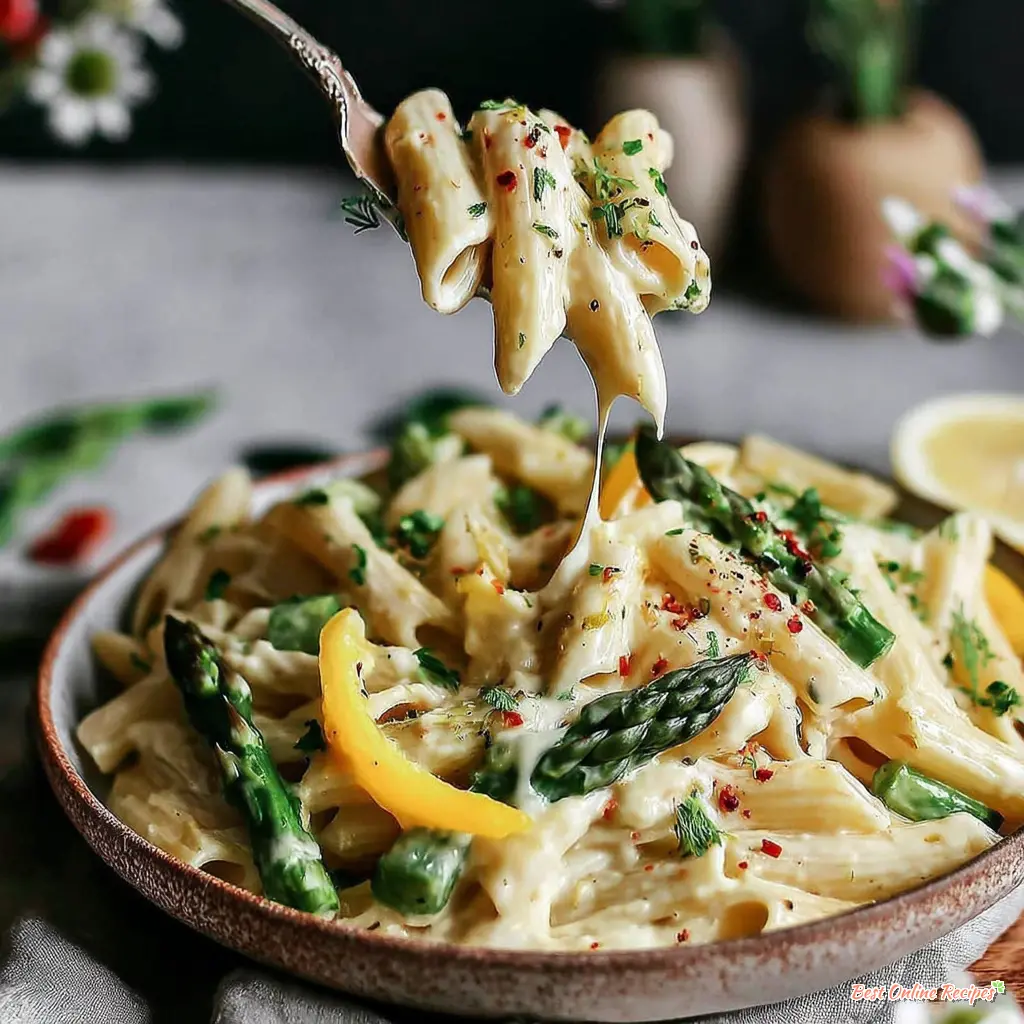
Creamy Spring Pasta Recipe with Peas and Asparagus
Ingredients
Instructions
- Bring a large pot of salted water to a boil. Add the pasta and cook for 11 minutes, stirring occasionally. Drain the pasta well and return it to the pot.
- Heat olive oil in a large skillet over medium-high heat. Sauté the asparagus, peppers, and broccoli for 2 to 3 minutes. Add the zucchini and cook for 1 to 2 minutes until tender-crisp. Season with salt and pepper, then transfer the vegetables to a plate or bowl.
- Return the skillet to the stove and melt the butter over medium heat. Cook the shallot and garlic for 2 minutes. Stir in the lemon zest and vegetable broth, then simmer for 4 to 5 minutes until the liquid reduces by half. Mix in the heavy cream and 2 tablespoons of lemon juice.
- Add the peas and cooked vegetables to the pot with the pasta. Pour the lemon cream sauce over the mixture and stir until well combined. Mix in the Parmesan cheese and the remaining tablespoon of lemon juice. Gently fold in the tomatoes and basil, then season with salt and pepper to taste.
- Transfer the pasta primavera to a large serving bowl. Garnish with parsley, additional Parmesan cheese, and crushed red pepper flakes. Serve while warm.
Nutrition
Notes
Tried this recipe?
Let us know how it was!The Mother’s Day Dinner That Actually Takes 15 Minutes
Let’s be honest. Mother’s Day brunch is stressful. Or maybe it’s just a random Wednesday evening, you just got back from a Trader Joe’s run, and you have exactly 35 minutes before your family starts asking what’s for dinner. We’ve all been there. You want something that looks fancy, tastes like you spent hours standing over a hot stove, but actually requires minimal effort. That is exactly why I developed this creamy spring pasta recipe.
I learned this the hard way a few years ago. I tried making a traditional heavy cream sauce for a spring gathering. I added a squeeze of fresh lemon juice at the end, and the whole pan instantly curdled into a grainy, broken mess. It was a disaster. I realized that heavy winter cream and bright spring citrus just don’t play nicely together unless you really know what you’re doing. I needed a foolproof foundation.
That’s when I discovered the magic of whole milk ricotta. It’s the absolute perfect heavy cream substitute for warmer months. During these cooler LA spring evenings when we actually don’t mind having our ovens or stoves on for twenty minutes, this dish hits all the right notes. It’s rich and velvety, yet feels completely light and seasonal. You’ll get that incredible buttery smell when the garlic hits the pan, and the end result is a restaurant-quality meal that is honestly easier than you think.
Why This Creamy Spring Pasta Recipe Works So Well
The trick is understanding the science of fat versus acid. Traditional cream sauces require careful temperature monitoring. If you boil them, they split. If you add Meyer lemon juice to boiling dairy, it separates. It’s frustrating.
By using ricotta and just a touch of cream cheese or butter, we bypass that problem entirely. It’s essentially a no-cook sauce. You literally just let the residual heat of the hot pasta do all the heavy lifting. I mean, who has time to babysit a simmering sauce anyway?
If you want that true cloud-like texture, here’s what I wish someone had told me earlier. Whip your room-temperature ricotta in a food processor for about sixty seconds before adding it to the pasta. It transforms from slightly grainy cheese into a luscious, smooth cream that coats every single piece of linguine or penne perfectly. It’s not being fussy, it’s the difference between a good dinner and an unforgettable one.
The “Secret” to a Perfect Velvety Texture
I know this sounds incredibly basic, but do not pour your pasta water down the drain. That cloudy, starchy water is liquid gold. It’s the absolute key to making a creamy vegetarian spring pasta dinner that doesn’t feel dry or sticky.
Before you drain your spaghetti or penne, scoop out a large coffee mug full of that cooking water. When you toss your hot pasta with the whipped ricotta, parmesan, and a splash of vegetable stock, you’ll probably notice it looks a bit thick. Add that hot pasta water, just a splash at a time, while tossing vigorously. The starches emulsify with the cheese, creating a glossy sauce that looks exactly like melted peanut butter (in texture, not color!).
Trust me on this. It’s the ultimate insurance policy against dry pasta. And if your dish sits on the table for ten minutes while you’re wrangling kids or pouring drinks, a little extra splash of that reserved water brings the creamy texture right back to life.
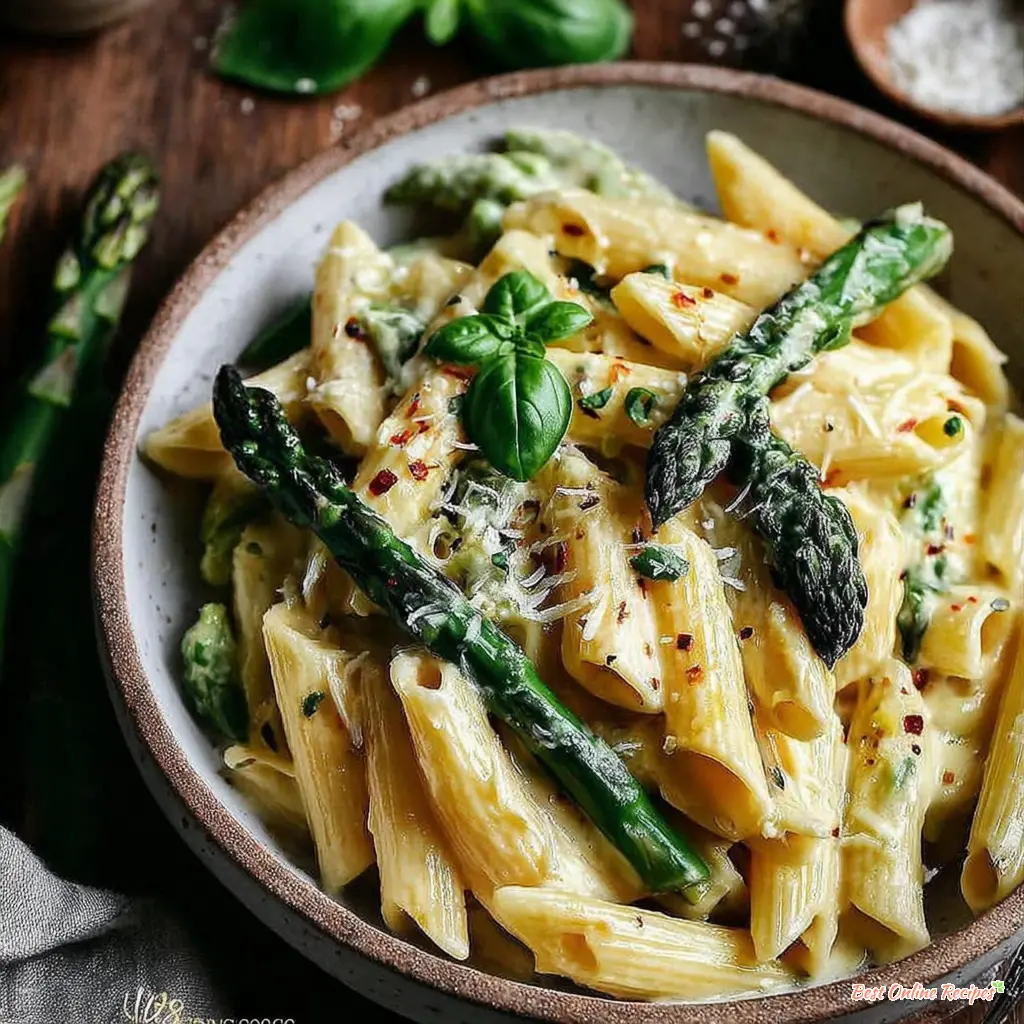
Prepping Your Spring Vegetables (The Tender-Crisp Guide)
Overcooked vegetables can ruin an otherwise perfect spring lemon ricotta pasta with asparagus and peas recipe. You want them tender-crisp. They should have a slight bite to them, keeping their vibrant colors intact.
First, let’s talk about asparagus. Don’t just chop the ends off blindly. Take one spear, hold it near the bottom, and bend it gently. It will naturally snap right where the woody, tough part ends and the tender part begins. Use that as your guide to chop the rest. I like to cut my asparagus, zucchini, and bell peppers into small, uniform pieces. You want them to be roughly the same size as your short, ridged pasta so you get a little bit of everything in a single bite.
When you’re sautéing, sequence matters. Start with your shallots and garlic, then add the harder vegetables like broccoli and asparagus. Give them a head start before tossing in the softer zucchini and tomatoes. And honestly, you can use fresh or frozen peas interchangeably here. If you’re using frozen, just run them under warm water in a colander for ten seconds and toss them in at the very end. Perfect.
Make-Ahead & Meal Prep Strategy
I get asked all the time if you can prep this creamy spring pasta recipe for hosting. The short answer is yes, but you have to be smart about it. Pasta soaks up liquid like a sponge as it sits in the fridge.
If you’re making this for a weekend brunch with friends, chop all your vegetables the night before and store them in airtight containers. You can also whip your ricotta and lemon zest mixture in advance. When your guests arrive, all you have to do is boil the pasta and do a quick five-minute sauté of the veggies. You get to be the effortless host, and the food tastes incredibly fresh.
If you absolutely must assemble the entire dish ahead of time, undercook your pasta by two full minutes. It will continue to soften as it sits. When you reheat it, you’ll definitely need to add a splash of vegetable broth or milk to loosen that congealed sauce back into a creamy texture.
Common Mistakes & Fixes
Mistake: Using milk instead of heavy cream or ricotta.
Solution: Thin milk doesn’t have enough fat to stabilize the sauce. When the lemon juice hits it, it will curdle instantly. Stick to whole milk ricotta or a proper heavy cream substitute.
Mistake: Cooking mushrooms with the other spring vegetables.
Solution: Mushrooms release a ton of water when they cook. If you add them to the pan with your asparagus and zucchini, you’ll end up boiling your veggies instead of sautéing them. Cook mushrooms separately if you want to include them.
Mistake: Buying pre-grated parmesan cheese in a tub.
Solution: Pre-grated cheese is coated in anti-caking agents (usually cellulose). It will never melt smoothly into your sauce. Always grate your own Parmigiano Reggiano from a block for a silky finish.
Variations & Dietary Substitutions
One of the reasons I love this creamy spring pasta recipe is how easily it adapts to whatever you have in your fridge. If you don’t have asparagus, broccolini is a fantastic substitute. Green beans work beautifully instead of snow peas. Carrots can easily stand in for zucchini.
Want to make a dairy-free or vegan version? It’s totally doable. Swap the butter for a good quality vegan butter, and use full-fat coconut milk or a thick cashew cream instead of ricotta. Add a few tablespoons of nutritional yeast to replicate that savory, cheesy flavor.
For my friends who want to bulk this up with extra protein, tossing in some cooked shrimp or shredded chicken at the very end is a great idea. Or, for an incredibly decadent vegetarian option, tear a fresh, cold burrata ball right over the top of the hot pasta just before serving. The contrast of the cold, creamy burrata melting into the warm, lemon-scented pasta is honestly amazing. Top it with some toasted walnuts, a honey drizzle, and fresh basil leaves.
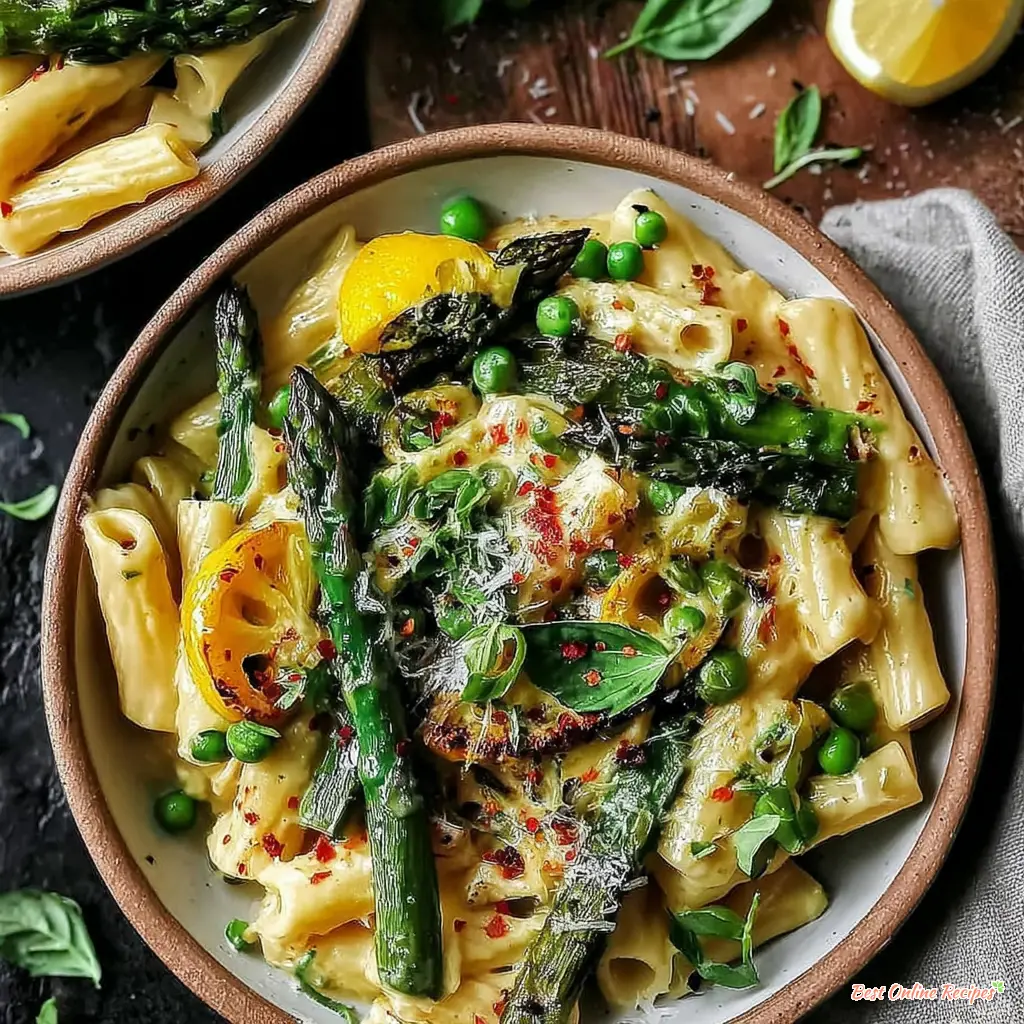
Storage & Reheating Your Creamy Spring Pasta Recipe
Look, I’ll be honest. Cream-based pastas are always best served immediately while the sauce is silky and hot. But leftovers happen, and you shouldn’t throw them away. Store your leftover creamy spring pasta recipe in an airtight container in the fridge for up to three days.
When it’s time to reheat, skip the microwave if you can. The intense, uneven heat tends to make dairy sauces separate and turn greasy. Instead, put the pasta in a skillet over medium-low heat. Add a splash of milk, vegetable stock, or even just water. Stir it gently until it’s warmed through and the sauce loosens up. If you absolutely have to use the microwave, do it in 30-second bursts, stirring well between each one.
Frequently Asked Questions
Final Thoughts
This creamy spring pasta recipe is proof that you don’t need to spend hours in the kitchen to make something spectacular. Once you understand the basics of using starchy pasta water and whipped ricotta, you’ll be making this on repeat all season long. Serve it with a crisp sparkling cider and some crusty sourdough bread to soak up every last drop of that gorgeous sauce. You’ve got this.
For more inspiration, check out my Pinterest boards where I share tons of seasonal variations and easy hosting ideas.
Reference: Original Source
<!– wp:rank-math/faq-block {"questions":[{"id":"faq-question-1774058098365","title":"Can I make creamy spring pasta recipe ahead of time?“,”content”:”I highly recommend prepping the components rather than the full dish. Chop your vegetables and whip the ricotta mixture the night before. When you’re ready to eat, simply boil the pasta and sauté the veggies. It takes just fifteen minutes and ensures the sauce stays perfectly silky.”,”visible”:true},{“id”:”faq-question-1774058098366″,”title”:”How do I store leftover creamy spring pasta recipe?“,”content”:”Keep your leftovers in an airtight container in the fridge for up to three days. To reheat, warm it gently on the stovetop with a generous splash of milk or vegetable broth to help loosen the congealed sauce and bring back that creamy texture.”,”visible”:true},{“id”:”faq-question-1774058098367″,”title”:”Can I serve this creamy vegetarian spring pasta dinner cold as a pasta salad?“,”content”:”It’s not ideal. Because the sauce relies on fats like ricotta and butter, it tends to firm up and get clumpy when cold. If you want a simple creamy spring pasta salad recipe, I suggest thinning the ricotta with olive oil and extra lemon juice so it acts more like a vinaigrette.”,”visible”:true},{“id”:”faq-question-1774058098368″,”title”:”How to make creamy pasta sauce without heavy cream for a lighter spring meal?“,”content”:”Whole milk ricotta is my absolute favorite heavy cream substitute. When you blend it in a food processor, it becomes incredibly light and cloud-like. Toss it with hot starchy pasta water, and it emulsifies into a rich sauce that won’t curdle when you add fresh lemon juice.”,”visible”:true},{“id”:”faq-question-1774058098369″,”title”:”What is the best way to make a creamy spring pasta recipe extra flavorful?“,”content”:”Don’t skip the fresh herbs or the citrus! A heavy dose of fresh Meyer lemon zest, chopped basil leaves, and high-quality Parmigiano Reggiano completely wakes up the dish. For an extra punch, add a dash of crushed red pepper flakes while sautéing the shallots.”,”visible”:true},{“id”:”faq-question-1774058098370″,”title”:”How do you prevent the asparagus and peas from getting mushy in a spring pasta dish?“,”content”:”The trick is all in the timing. Chop your vegetables uniformly so they cook at the same rate. Sauté the harder vegetables like asparagus first, and only for a few minutes until tender-crisp. If using frozen peas, just rinse them in warm water and toss them in at the very end.”,”visible”:true},{“id”:”faq-question-1774058098371″,”title”:”Can I add protein to this spring pasta recipe creamy dish?“,”content”:”Absolutely. While it’s a fantastic creamy vegetarian spring pasta dinner on its own, it pairs beautifully with protein. Sautéed shrimp, grilled chicken strips, or even some ground turkey work perfectly. Just cook the meat separately and fold it in right before serving.”,”visible”:true},{“id”:”faq-question-1774058098372″,”title”:”What ingredients are needed for a spring lemon ricotta pasta with asparagus and peas recipe?“,”content”:”You’ll need short ridged pasta like penne, fresh asparagus, peas, whole milk ricotta, garlic, shallots, Meyer lemon zest and juice, parmesan cheese, and vegetable stock. It’s a simple list, so make sure you’re buying the freshest spring produce you can find at your local market.”,”visible”:true}]} –>