
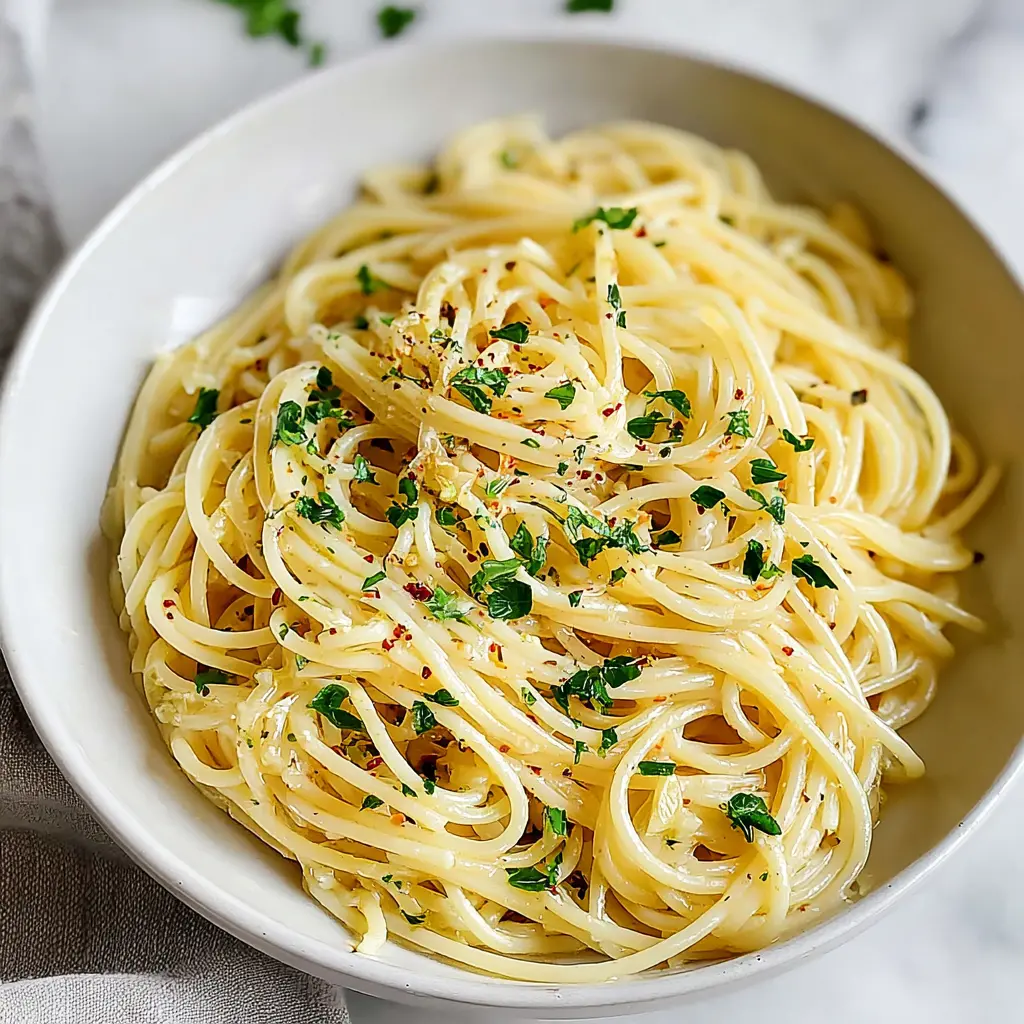
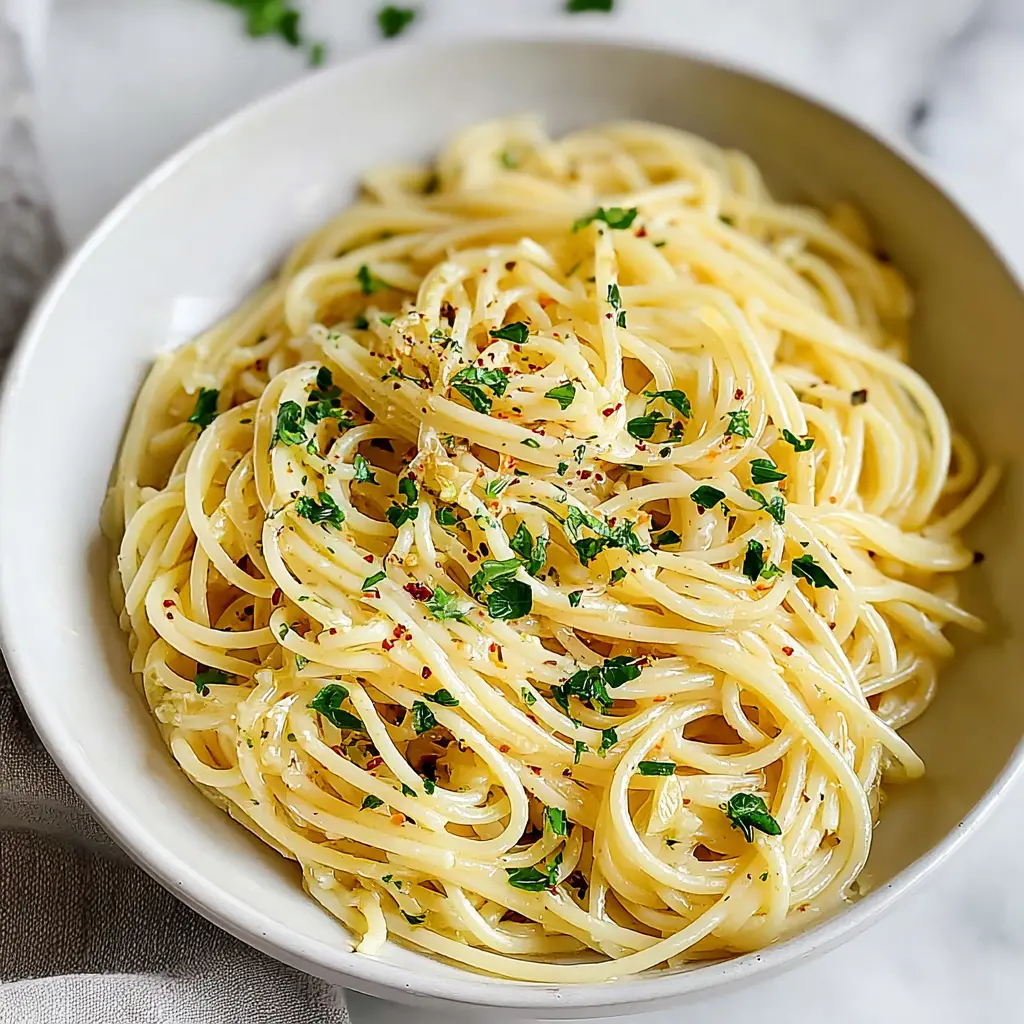
Classic Pasta Aglio e Olio: Garlic and Oil Spaghetti
Ingredients
Method
- Bring a large pot of water with 1 tablespoon salt to a rolling boil. Add the spaghetti and cook, stirring occasionally, until al dente, about 10 to 12 minutes. Before draining, reserve 1 1/2 cups of the pasta cooking water. Drain the spaghetti and set aside.
- In a cold 12-inch skillet, combine the olive oil and sliced garlic. Set over medium heat and cook until the garlic begins to sizzle, then immediately reduce the heat to medium-low. Continue cooking, stirring frequently, until the garlic turns lightly golden, about 3 to 4 minutes. Remove the skillet from the heat and stir in the crushed red pepper flakes. Add about 1/2 cup of the reserved pasta water to stop the garlic from cooking further.
- Add the drained spaghetti to the skillet with the garlic oil, along with 3/4 cup of the reserved pasta water and the remaining 3/4 teaspoon salt. Cook over medium-high heat, stirring constantly, until the pasta absorbs some of the sauce, about 1 to 2 minutes. If the mixture seems dry, add more reserved pasta water as needed.
- Just before serving, add the chopped parsley and grated cheese to the skillet. Stir until the pasta is well coated and the sauce becomes creamy. Serve immediately, passing additional cheese at the table.
Nutrition
Notes
Tried this recipe?
Let us know how it was!Why This Pasta Aglio e Olio Recipe Works
I used to burn garlic every single time. Like, scorched black, bitter, ruined-dinner level of burnt. And for a dish that’s literally named “garlic and oil pasta,” that’s a dealbreaker. Pasta aglio e olio is the ultimate test of a simple pantry meal it’s just spaghetti, olive oil, garlic, and a few friends. But when you nail it? It’s pure magic.
This aglio e olio recipe is the one that finally clicked for me. The secret? Starting the garlic in cold oil. No more frantic heat adjustments, no more acrid smoke filling the kitchen. Just golden, nutty slices of garlic that melt into the oil. It’s a quick weeknight pasta that feels like a restaurant meal, and honestly, it’s become my go-to after a long day at the farmers market.
Here’s the thing: how to make aglio e olio isn’t about fancy techniques. It’s about respect for a few quality ingredients and one tiny but crucial step. Let me walk you through it.
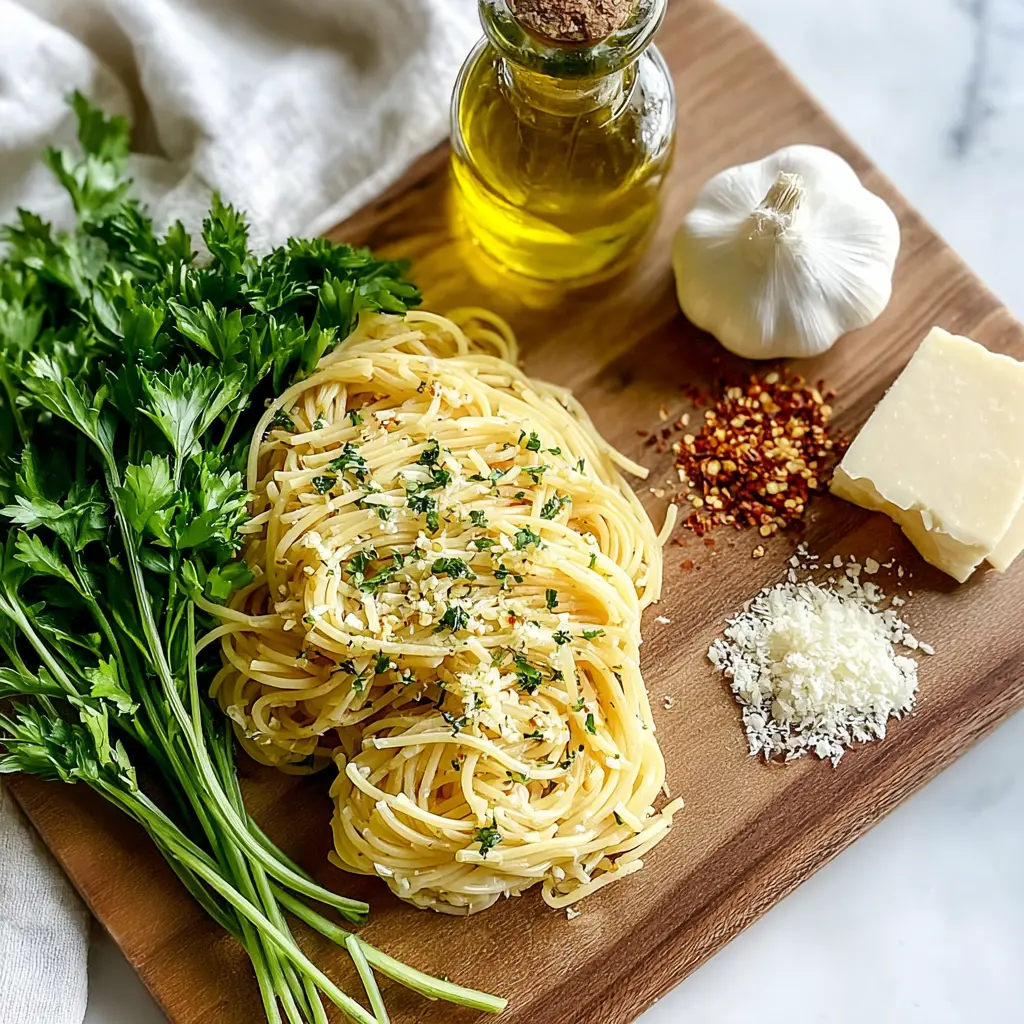
Ingredients for Spaghetti Aglio e Olio
You probably have most of this in your pantry right now. That’s the beauty of this Italian pasta with olive oil and garlic. No cream, no tomatoes, no fuss. Just seven ingredients that do a whole lot of heavy lifting.
- Dried spaghetti (1 pound): The classic choice. It’s what most Italians reach for. But honestly, any long pasta works linguine, bucatini, even fettuccine. Just don’t use short shapes here. The long strands are part of the experience.
- Extra-virgin olive oil (½ cup): This is your sauce. So use a good one. Not your most expensive finishing oil, but something you’d happily drizzle on crusty bread. The flavor really shines through.
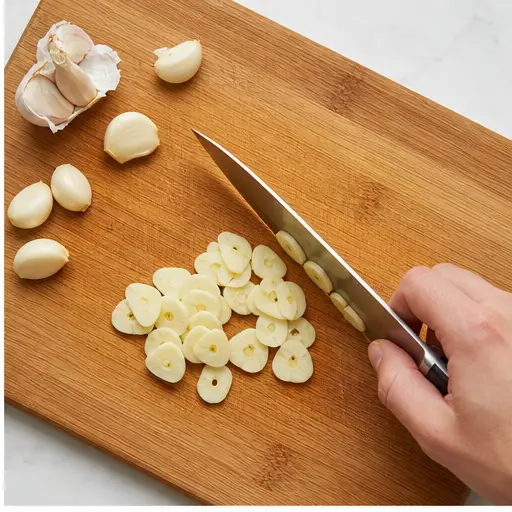
- Garlic (⅓ cup, thinly sliced): About 8 cloves. And yes, slice them thin. Mincing is for other dishes. Thin slices toast evenly and give you those little golden nuggets of flavor.
- Crushed red pepper flakes (½ teaspoon): Just a hint of heat. It doesn’t make the dish spicy it wakes everything up. You can add more at the table if you like things fiery.
- Fresh Italian parsley (⅓ cup, finely chopped): For freshness and color. Don’t skip it. The bright green against the golden oil is part of what makes this dish so gorgeous.
- Parmigiano Reggiano or Pecorino Romano (¾ cup, freshly grated): This is optional in the strictest sense, but I never skip it. The salty, funky cheese ties everything together. More on this debate in the FAQ.
- Salt: 1 tablespoon for the pasta water, plus ¾ teaspoon for finishing. Don’t be shy with the pasta water it should taste like the sea.
How to Make Pasta Aglio e Olio
Okay, let’s get cooking. This whole process takes about 15 minutes. I’m serious. From the moment you start boiling water to the moment you’re twirling that golden garlic pasta on your fork. The key is timing, so read through once before you start.
Stage 1: Cook the Spaghetti
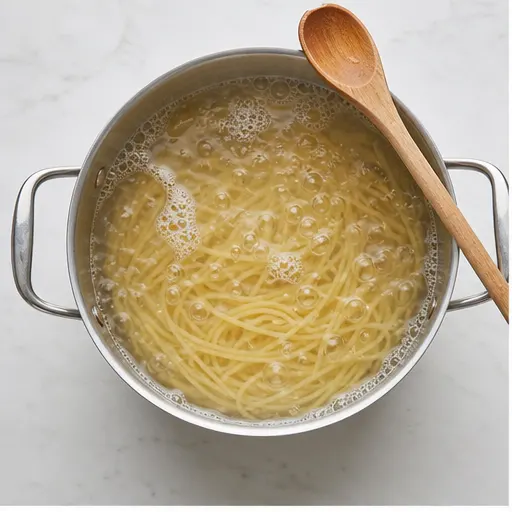
Bring a large pot of water with 1 tablespoon of salt to a rolling boil. Add the spaghetti and cook, stirring occasionally, until al dente. That’s about 10 to 12 minutes, depending on your brand. Before you drain it, reserve 1½ cups of the pasta cooking water. This is non-negotiable. That starchy water is the glue that holds everything together.
Stage 2: Prepare the Garlic Oil
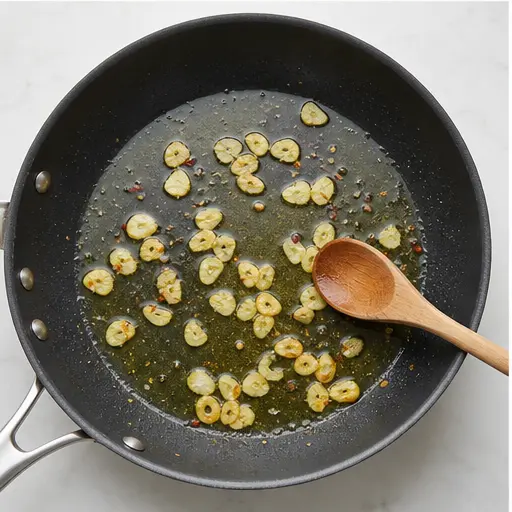
Here’s where the magic happens. In a cold 12-inch skillet, combine the olive oil and sliced garlic. Yes, cold. Set it over medium heat and cook until the garlic begins to sizzle. The moment you hear that gentle hiss, immediately reduce the heat to medium-low. Continue cooking, stirring frequently, until the garlic turns lightly golden. This takes about 3 to 4 minutes. Watch it like a hawk it can go from golden to burnt in seconds. Remove the skillet from the heat and stir in the crushed red pepper flakes. Then add about ½ cup of the reserved pasta water to stop the garlic from cooking further. That hiss and steam? That’s the sound of success.
Stage 3: Combine Pasta and Sauce
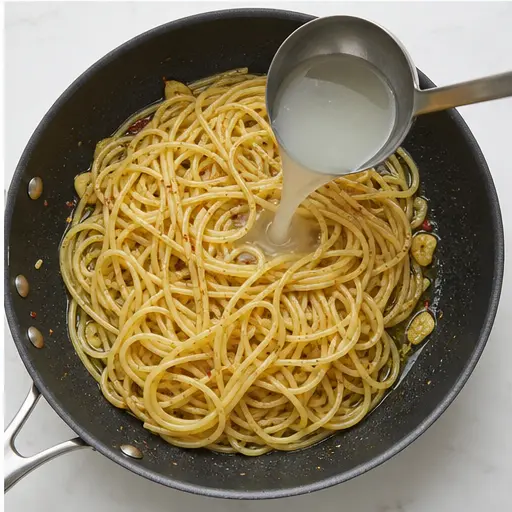
Add the drained spaghetti to the skillet with the garlic oil, along with ¾ cup of the reserved pasta water and the remaining ¾ teaspoon of salt. Cook over medium-high heat, stirring constantly. You’re looking for the pasta to absorb some of the sauce, about 1 to 2 minutes. If the mixture seems dry, add more reserved pasta water a splash at a time. This is where the pasta water emulsification happens the starch binds with the oil to create a silky, creamy sauce without a drop of cream.
Stage 4: Finish and Serve
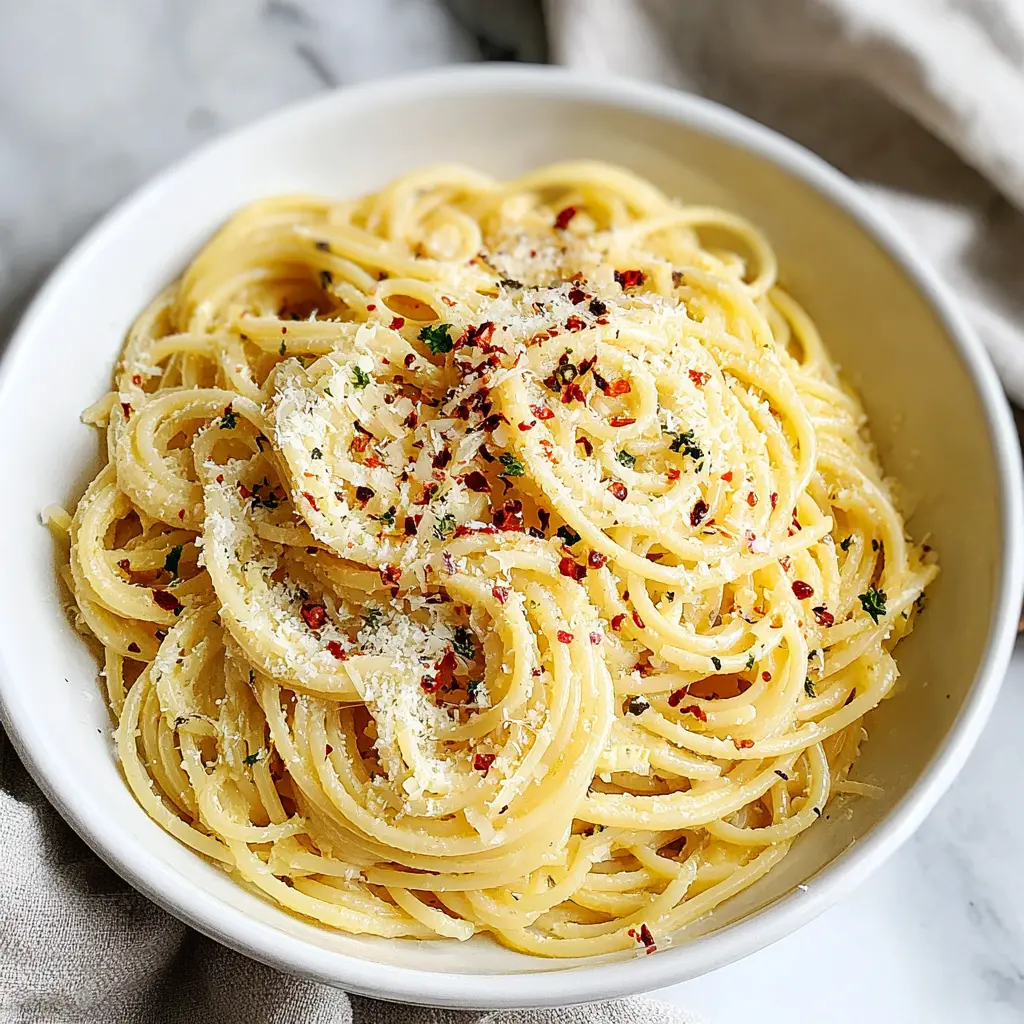
Just before serving, add the chopped parsley and grated cheese. Stir until the pasta is well coated and the sauce becomes creamy. Serve immediately. This is a dish that waits for no one. The cheese will start to congeal if it sits, so have your bowls ready. Pass additional cheese at the table.
Tips for Perfect Garlic and Oil Pasta
Over the years, I’ve made every mistake in the book so you don’t have to. Here are my non-negotiable tips for authentic Italian aglio e olio.
- Start garlic in cold oil. This is the number one tip. If you add garlic to hot oil, it burns almost instantly. Cold oil gives you a gentle, even toast. Trust me on this one.
- Slice, don’t mince. Thin slices toast evenly and give you those lovely little bites of garlic. Mincing leads to uneven cooking and a pasty texture.
- Reserve more pasta water than you think you need. I always save 1½ cups. You might not use it all, but running out mid-emulsion is a disaster.
- Use a large skillet. A 12-inch skillet gives the pasta room to breathe. If you crowd it, the pasta steams instead of coating in the sauce.
- Don’t skip the parsley. I know it’s tempting, but that pop of green and freshness balances the rich oil and garlic. It’s not just garnish.
Common Mistakes to Avoid
❌ Burning the garlic: This makes it bitter and ruins the whole dish. ✅ Solution: Start in cold oil and watch it like a hawk. The moment it turns golden, add pasta water to stop the cooking.
❌ Not reserving enough pasta water: Dry, clumpy pasta is the result. ✅ Solution: Always save at least 1½ cups. You can always add more, but you can’t un-drain the pot.
❌ Overcooking the pasta: Mushy noodles have no place here. ✅ Solution: Cook to al dente firm to the bite. It will continue cooking slightly in the sauce.
❌ Adding cheese too early: It will congeal and turn clumpy. ✅ Solution: Add it at the very end, off the heat, and serve immediately.
Variations to Try
Once you’ve mastered the base aglio e olio proper technique, feel free to play around. These are optional additions, not part of the classic recipe, but they’re fun to explore.
- Seafood aglio e olio: Add cooked shrimp or scallops at the end. The garlic oil pairs beautifully with seafood.
- Add vegetables: Sauté some zucchini ribbons or cherry tomatoes alongside the garlic for a summer twist.
- Toasted breadcrumbs: Sprinkle panko toasted in olive oil over the top for crunch. It’s a textural game-changer.
- Extra heat: Use a whole dried chili instead of flakes. Remove it before serving for a more subtle infusion.
How to Store Leftovers
Honestly? This dish is best eaten immediately. But if you have leftovers, here’s how to handle them. Store in an airtight container in the refrigerator for up to 2 days. To reheat, add a splash of water or olive oil to a skillet and warm gently over medium-low heat. The pasta will absorb the liquid and loosen up. Don’t microwave it the garlic gets rubbery and the oil separates.
Frequently Asked Questions
And there you have it. A bowl of pasta aglio e olio that’s glossy, garlicky, and ready in 15 minutes. It’s the kind of meal that makes you feel like a confident home cook, even on a Tuesday. I’d love to hear how it turns out for you. Pin this recipe for later and share your creation I’m always inspired by your kitchen wins.
Source: Nutritional Information
5 Responses
This was good, but I found it a bit too oily for my taste. Next time I’ll reduce the olive oil to maybe 1/3 cup and add a splash of pasta water to loosen it up. Also, I used Pecorino Romano instead of Parmigiano—much sharper flavor, which I loved.
I’ve always struggled with getting the garlic just right in aglio e olio—it’s either too raw or burnt. The tip about starting the garlic in cold oil was a game changer! My pasta came out perfectly golden and nutty. Thank you for sharing this!
Love this recipe! One question: I’m vegetarian and was wondering if I could skip the cheese or use a vegan alternative? Would the flavor still hold up without it? Thanks!
Absolutely, Emily! You can skip the cheese entirely or use a good vegan Parmesan alternative. The garlic and olive oil are the stars here, so it’ll still be delicious. I’d recommend adding a little extra parsley and red pepper flakes to brighten it up.
I tried this last night and added some sautéed shrimp on top for protein. The garlic oil paired beautifully with it. Only suggestion: maybe mention that the pasta water should be reserved before draining—I almost forgot and had to reboil some water!