
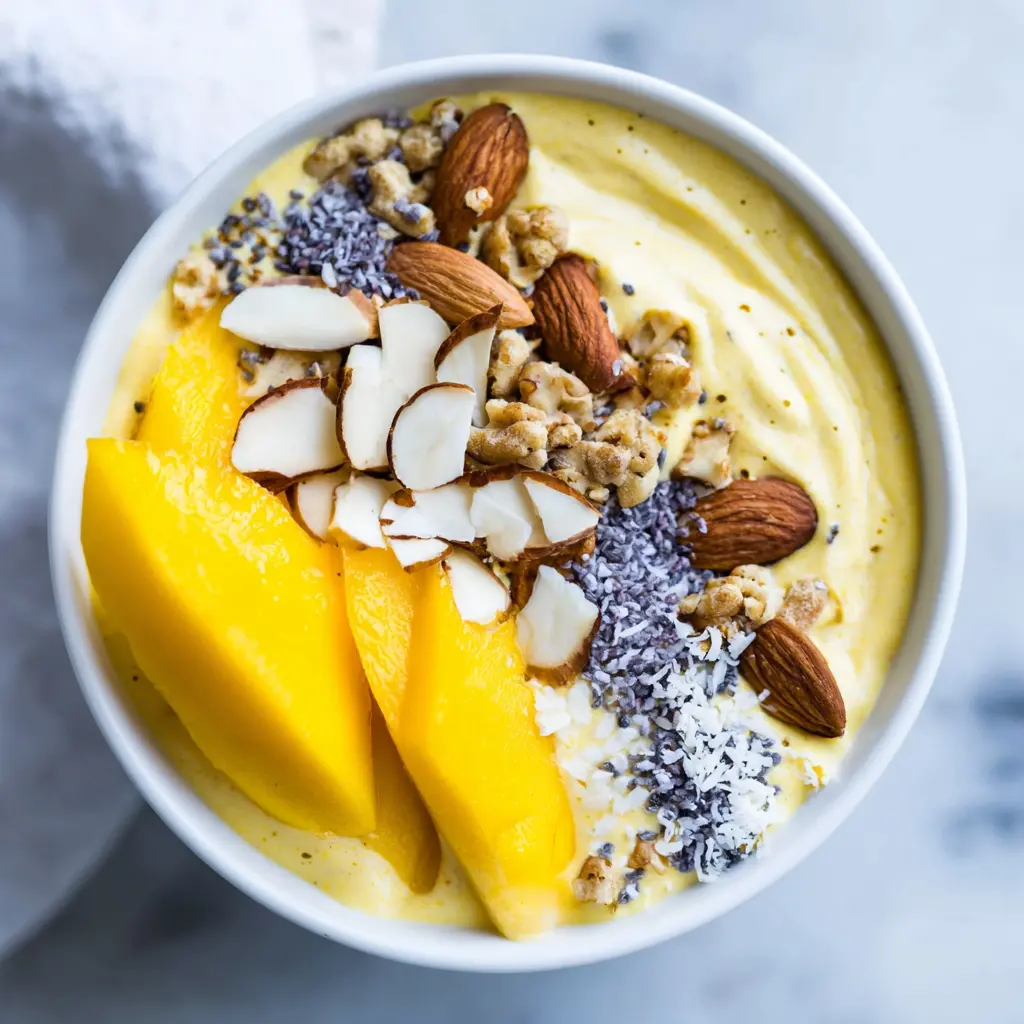
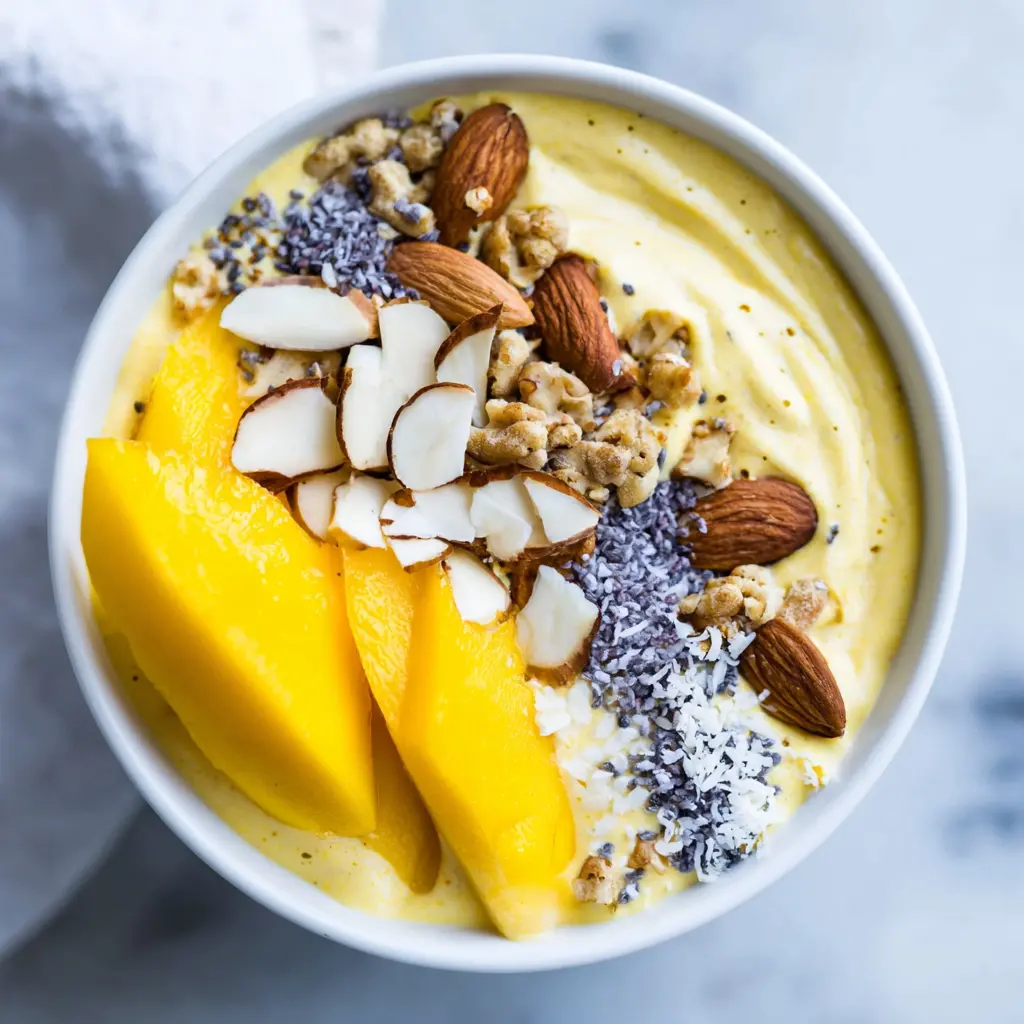
Greek Yogurt Mango Bowl
Ingredients
Method
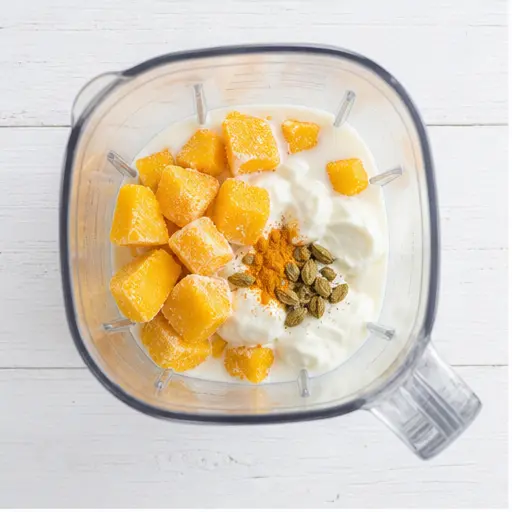
- Add the frozen mango chunks, Greek yogurt, milk, cardamom, and turmeric to a high-powered blender.
- Blend on high until the mixture is completely smooth and thick, scraping down the sides as needed.
- Pour the blended mixture into a bowl and top with your favorite toppings, such as sliced almonds, granola, or fresh berries.
- Serve immediately and enjoy your vibrant Greek yogurt mango bowl.
Nutrition
Notes
Tried this recipe?
Let us know how it was!My Morning Wake-Up Call
I’ll be honest with you. Mornings and I have a complicated relationship. I hit snooze at least once, sometimes twice. And by the time I actually drag myself to the kitchen, I’m already running late. I used to grab a granola bar or skip breakfast entirely. Not great.
Then I discovered this Greek Yogurt Mango Bowl. And honestly? It changed my mornings. I’m not exaggerating. It takes five minutes. Five. No cooking, no mess, no stress. Just a blender, a bowl, and a few ingredients. It’s the kind of breakfast that makes you feel like you have your life together, even when you hit snooze twice.
This isn’t some complicated smoothie bowl that requires a dozen exotic ingredients. It’s simple. It’s creamy. It’s tropical. And it’s packed with protein to keep you full until lunch. I promise you’re going to love it.
Greek Yogurt Mango Bowl Ingredients
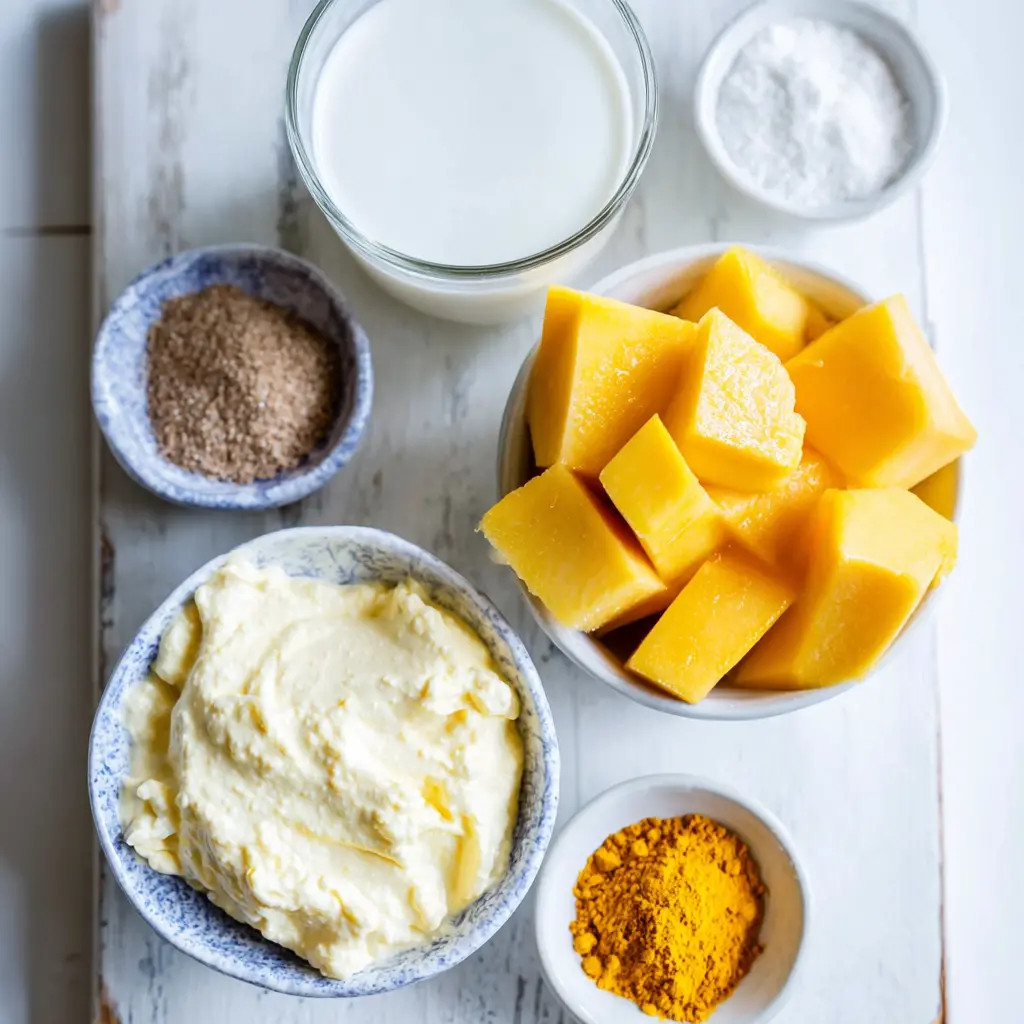
Let me walk you through what you need. It’s a short list, but every ingredient plays a role. I’ve tested this a few times, and trust me, the combination works.
- Frozen mango chunks (2 cups): This is the star. Frozen is key here. It gives the bowl that thick, almost ice cream-like texture. Fresh mango is great for eating, but for this bowl? Frozen all the way. It’s also a huge time saver because you don’t have to peel or chop anything.
- Full-fat Greek yogurt (1/2 cup): Don’t be tempted to reach for the low-fat or nonfat stuff. You need the full-fat version for the creamiest, most satisfying result. It adds richness and a tangy flavor that balances the sweet mango. Plus, it’s loaded with protein and probiotics. A total win.
- Milk of choice (1/2 cup): I usually go with almond milk because it’s what I have in my fridge. But oat milk, regular dairy milk, or even coconut milk all work great. The milk helps everything blend smoothly. Just don’t add too much, or you’ll end up with a smoothie instead of a bowl.
- Ground cardamom (1/4 teaspoon): This is my secret weapon. Cardamom adds a warm, slightly floral, and citrusy note that just sings with mango. It’s unexpected but absolutely perfect. A little goes a long way, so don’t overdo it.
- Turmeric (1/4 teaspoon, optional): I add this for the gorgeous golden color and the anti-inflammatory benefits. It’s totally optional, but it makes the bowl look even more vibrant. You won’t taste it much, I promise.
That’s it. Five ingredients. You probably already have most of them in your kitchen. And if you don’t, a quick trip to the store will set you up for a week of amazing breakfasts.
How to Make a Greek Yogurt Mango Bowl
Okay, so the actual process is embarrassingly simple. But I want to walk you through each stage so you get the perfect texture every time. No one wants a watery, sad bowl. Let’s do this right.
Stage 1: Load the Blender
Grab your blender. A high-powered one is best, but a regular blender will work too. You might just need to scrape down the sides a bit more. Add the frozen mango chunks, Greek yogurt, milk, cardamom, and turmeric.
Here’s a little tip: add the liquid ingredients first. I know it seems counterintuitive, but if you put the frozen mango in first, the blender can struggle. Liquids at the bottom help everything get moving. Trust me on this one.
Stage 2: Blend Until Smooth
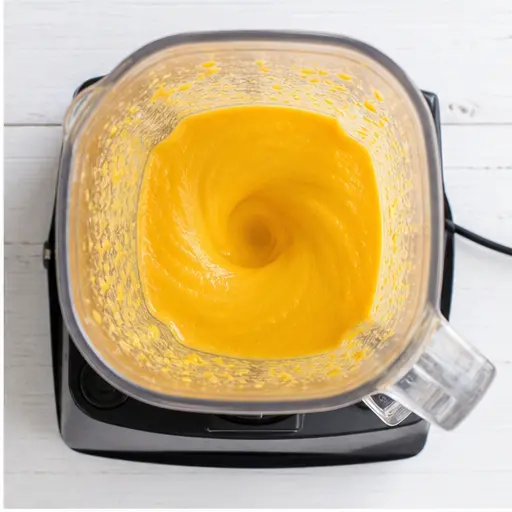
Start on low speed for a few seconds to break up the frozen mango. Then crank it up to high. Blend for about 30 to 45 seconds, or until the mixture is completely smooth and thick. You’ll hear the sound change from a loud chopping noise to a smoother, creamier sound.
You might need to stop and scrape down the sides once or twice. That’s totally normal. Just use a spatula to push everything back down toward the blades. Keep blending until there are no visible chunks of mango left.
Stage 3: Pour and Admire
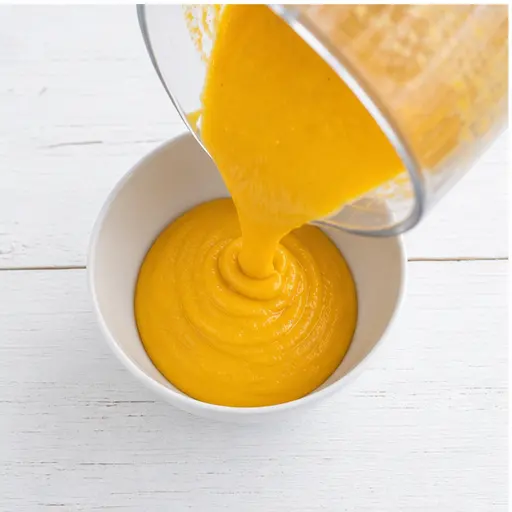
Once it’s smooth, pour the mixture into your favorite bowl. Use a spatula to get every last bit out. Take a moment to admire that gorgeous golden color. It’s seriously beautiful. The texture should be thick and creamy, like a soft serve ice cream.
If it’s too thick for your liking, you can add a splash more milk and stir it in. But I like it thick. It feels more substantial, more like a meal.
Stage 4: Top and Serve Immediately
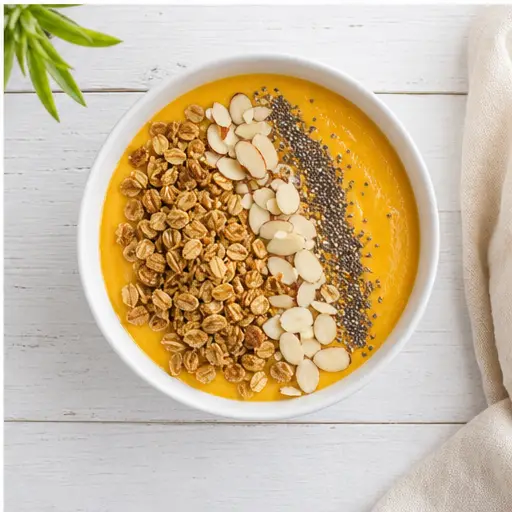
This is the fun part. Add your favorite toppings. I love a good crunch, so I go with sliced almonds and a sprinkle of granola. A few fresh berries add a pop of color and tartness. A drizzle of honey is always welcome if your mango isn’t super sweet.
Serve it right away. This bowl is best enjoyed fresh. The texture is at its peak, and the toppings are still crunchy. Grab a spoon and dig in.
Tips for the Thickest Mango Bowl
I’ve made this bowl a lot. And I’ve learned a few things along the way. Here are my best tips for getting that perfect, thick, creamy consistency every single time.
My Top Thickening Secrets
Use frozen fruit: This is non-negotiable. Frozen mango is what gives the bowl its thick, frosty texture. Fresh mango will make it thin and watery. If you only have fresh mango, freeze it first for a few hours.
Use less liquid: Start with the minimum amount of milk. You can always add more, but you can’t take it out. Too much liquid is the number one mistake people make. Start with 1/2 cup and add a tablespoon at a time if needed.
Use a high-powered blender: A Vitamix or Blendtec will make the smoothest bowl. But don’t worry if you have a regular blender. Just blend a little longer and scrape down the sides more often.
Another thing I’ve noticed? Don’t overfill your blender. If you’re doubling the recipe, blend in batches. An overfilled blender doesn’t blend evenly, and you’ll end up with chunks. Not ideal.
And here’s a mistake I made the first time. I used nonfat Greek yogurt. Big mistake. It was thin and icy. Full-fat yogurt is the way to go for creaminess. Trust me on this one.
Best Toppings for Your Mango Bowl
Toppings are where you can really make this bowl your own. I have a few go-to combinations, but feel free to experiment. The base is so good that almost anything works.
- Crunchy: Sliced almonds, granola, chopped pecans, or pumpkin seeds. Texture is key here. The creamy bowl needs something to crunch on.
- Sweet: A drizzle of honey, agave, or maple syrup. If your mango is perfectly ripe, you might not need any extra sweetness. But a little honey never hurts.
- Fresh: Fresh berries like blueberries, raspberries, or sliced strawberries. They add a pop of color and a burst of tartness that complements the sweet mango.
- Tropical: Shredded coconut, diced kiwi, or passion fruit seeds. Go full tropical with these toppings. It’s like a vacation in a bowl.
- Seeds: Chia seeds, hemp seeds, or flax seeds. These add a boost of fiber and healthy fats. Plus, they look pretty sprinkled on top.
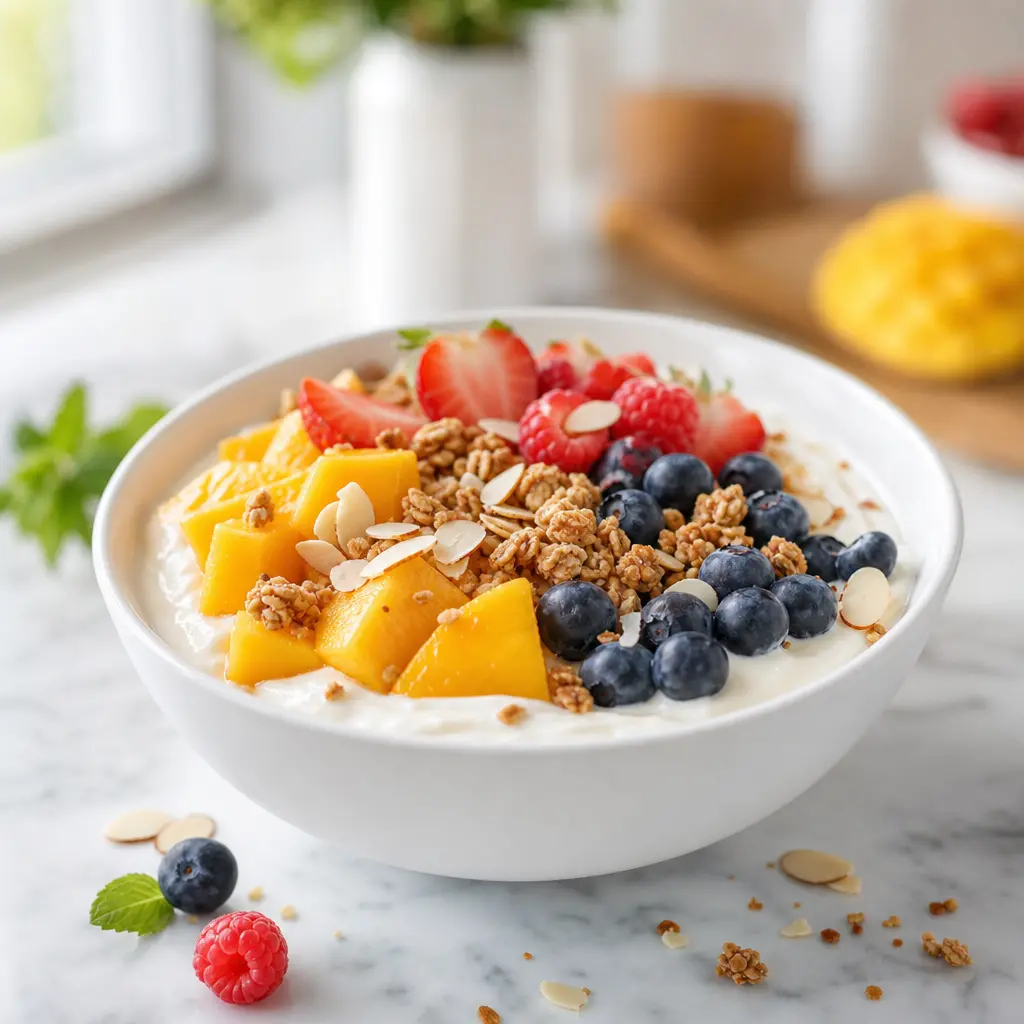
I personally love a combination of sliced almonds, granola, and a few fresh blueberries. The crunch, the sweetness, the tartness. It’s perfect. But honestly, you can’t go wrong.
Ingredient Substitutions
I get it. We don’t always have every ingredient on hand. Or maybe you have dietary restrictions. No problem. Here are some easy swaps that still work beautifully.
- Vegan version: Use a plant-based Greek-style yogurt. Coconut yogurt is my favorite. It adds a subtle coconut flavor that pairs perfectly with mango. Use any plant-based milk you like.
- Dairy-free version: Same as vegan. Use a dairy-free yogurt and milk. There are so many great options now. I love the Siggi’s plant-based yogurt.
- No cardamom? You can skip it, or try a pinch of cinnamon or nutmeg instead. It won’t be the same, but it’ll still be delicious.
- No turmeric? No problem. It’s totally optional. Your bowl just won’t have that extra golden glow.
- Different fruit: You can swap half the mango for frozen peaches, pineapple, or strawberries. A mango-pineapple combo is amazing.
The beauty of this bowl is its flexibility. Don’t stress if you’re missing something. Just use what you have. It’ll still be great.
Frequently Asked Questions
How to Store Leftovers
Honestly, this bowl is best eaten fresh. The texture is at its peak right after blending. But if you have leftovers, or you want to prep ahead, here’s what to do.
Pour any leftover mixture into an airtight container. Store it in the fridge for up to one day. When you’re ready to eat it, give it a good stir. It will thicken up quite a bit as it sits. You might need to add a splash of milk to thin it out.
I don’t recommend freezing the blended bowl. The texture changes when it thaws. It can get icy and watery. Not great. Instead, freeze the mango chunks in individual portions. Then you can blend a fresh bowl anytime.
Another option? Prep your dry ingredients. Measure out the cardamom and turmeric into a small bag. Then in the morning, just dump everything into the blender. It saves a minute or two. And every minute counts in the morning, right?
Final Thoughts
So there you have it. My go-to Greek Yogurt Mango Bowl. It’s quick, it’s healthy, and it tastes like a tropical vacation. I honestly look forward to my mornings now. And that’s saying something.
I hope you give this recipe a try. And when you do, I’d love to see it. Tag me in your creation. Show me your toppings. Let me know how it goes. I promise you won’t regret it.
Now go blend yourself a bowl. You deserve it.
For more healthy breakfast ideas, check out my Pinterest board for daily inspiration.
Source: Health & Nutrition Research
3 Responses
I made this for breakfast this morning and it was so refreshing! I used coconut milk and it gave it a lovely tropical flavor. The cardamom and turmeric are such a nice touch—never thought to add those to a smoothie bowl. Thanks for the great recipe!
This looks delicious, but I don’t have frozen mango on hand. Could I use fresh mango and add some ice cubes instead? Also, would regular plain yogurt work in place of Greek yogurt?
Great questions, David! Fresh mango with a handful of ice cubes will work, though the texture might be a bit thinner. Regular plain yogurt is fine too—just note it won’t be as thick and creamy, so you may want to add a little less milk. Enjoy!