
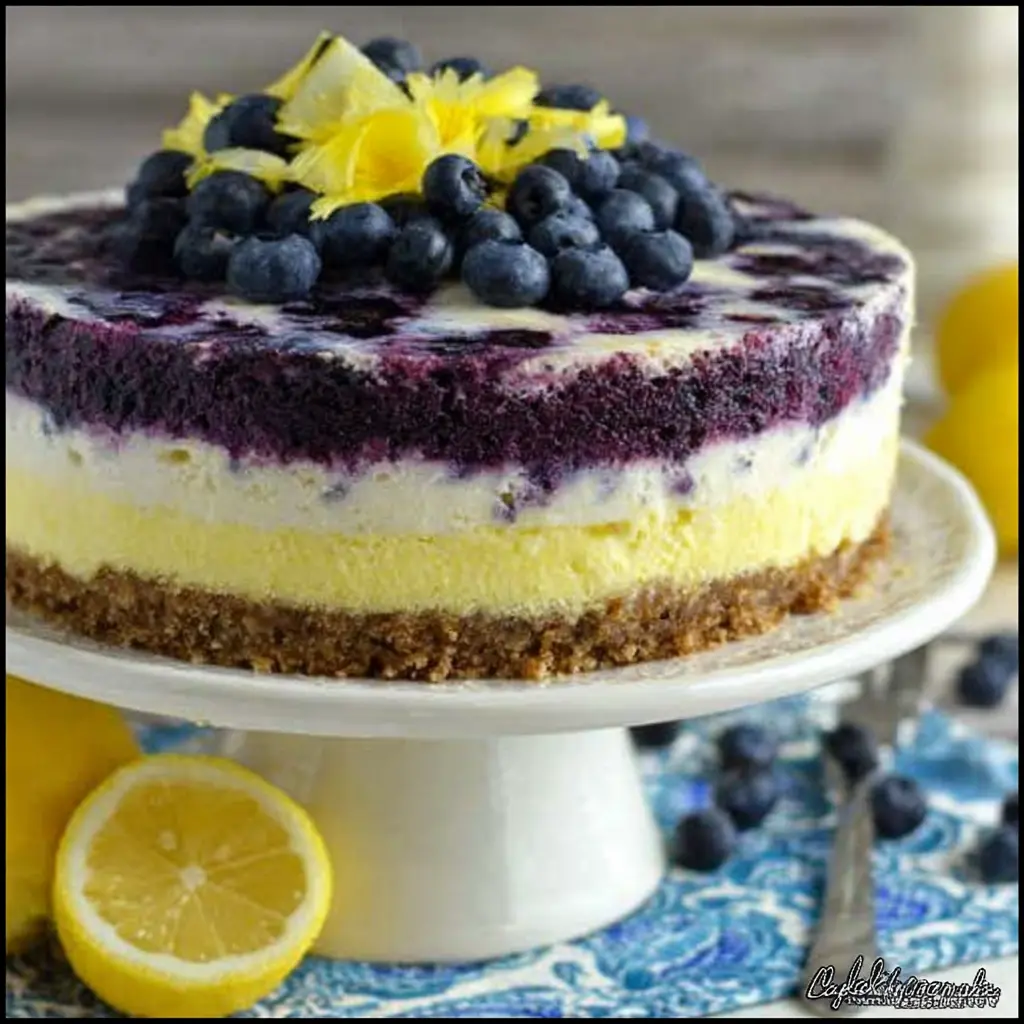
Why You’ll Love This Blueberry Lemon Cheesecake Cake
There are desserts, and then there are desserts. You know the ones the kind that make people stop mid-conversation, fork hovering, eyes widening. This Blueberry Lemon Cheesecake Cake is that dessert. It’s the one you bring to a spring brunch or a Memorial Day gathering, and suddenly everyone’s asking for the recipe before they’ve even finished their first slice.
I’m not gonna lie I’ve made this Blueberry Lemon Cheesecake Cake at least a dozen times, and I’ve had my share of mishaps along the way. The first time? I forgot to let the cheesecake cool slowly and ended up with a canyon running right through the center. But that’s the thing about baking every mistake teaches you something. And now I’ve got a process that works, every single time.
What makes this Blueberry Lemon Cheesecake Cake so special? It’s the contrast. The tangy lemon zest cutting through the rich cream cheese filling. The sweet burst of blueberry compote swirled through every bite. The buttery graham cracker crust that gives you that perfect crunch. And the texture oh, that texture. Silky, creamy, with just the right amount of wobble.
Here’s what you’re getting with this recipe:
- A showstopper look Those gorgeous blueberry swirls make it look like you spent hours decorating
- Real lemon flavor We’re using fresh zest and juice, not extract
- A foolproof water bath method No cracks, I promise
- Make-ahead friendly Chill overnight and assemble the next day
- Bakery-quality results Without the bakery price tag
Trust me on this one. You’ve got this.
Ingredients for Blueberry Lemon Cheesecake Cake
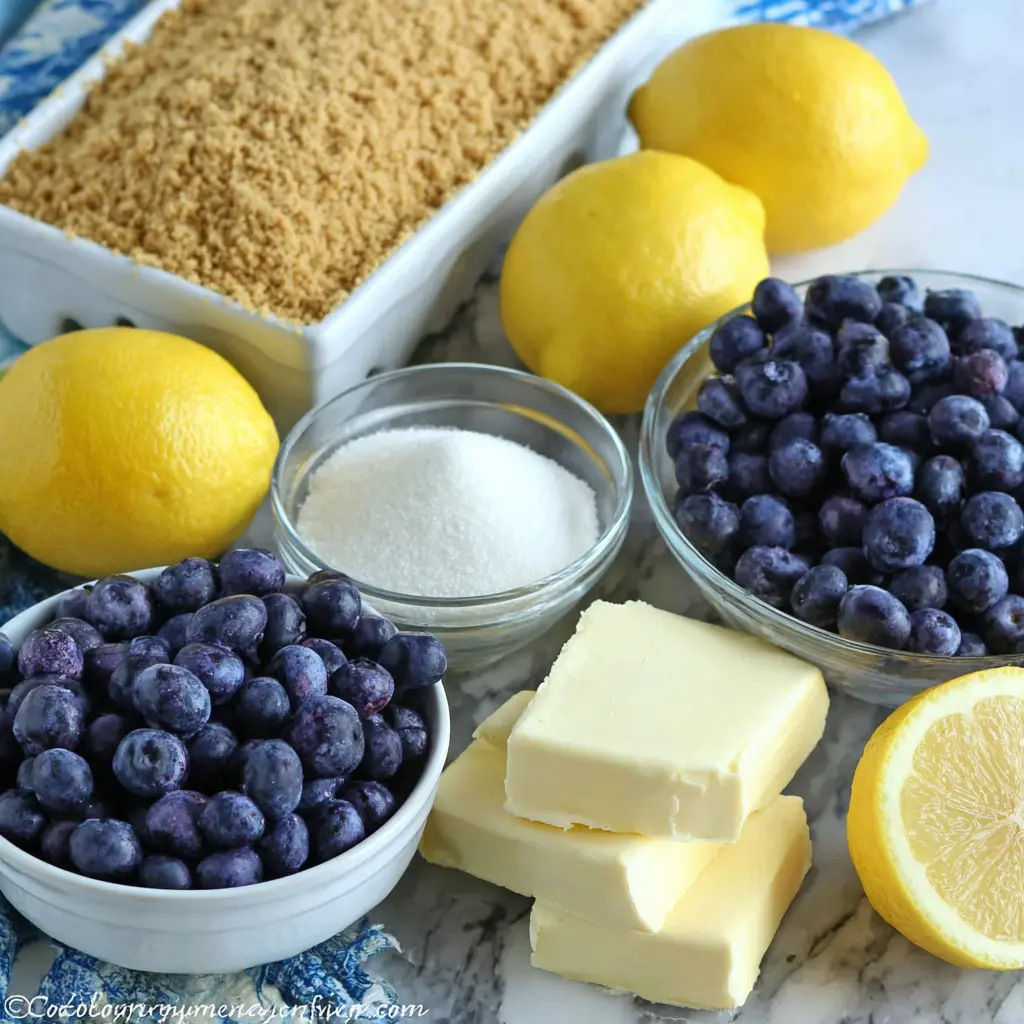
Let’s talk about what you’ll need. The ingredient list is straightforward, but a few things matter more than others. I’ve learned the hard way that shortcuts here lead to so-so results.
For the Graham Cracker Crust:
- Graham cracker crumbs You can buy them pre-crushed or crush your own. I actually prefer crushing my own it gives you more control over the texture, and the crumbs stay a little chunkier, which I like.
- Sugar Just a little to sweeten things up
- Unsalted butter Melted, to bind everything together. Use unsalted so you control the salt level.
For the Lemon Cheesecake Filling:
- Cream cheese Three 8-ounce blocks, softened. This is non-negotiable. Cold cream cheese = lumpy batter. Set it out at least an hour before you start.
- Sugar For sweetness and structure
- Large eggs Room temperature. Cold eggs can seize the batter. Just set them in a bowl of warm water for 5 minutes if you forgot.
- Lemon zest From about 2 Meyer lemons if you can find them. Meyer lemons are sweeter and less acidic, but regular lemons work great too.
- Fresh lemon juice Bottled stuff won’t give you the same brightness. Trust me.
- Vanilla extract Just a teaspoon to round out the flavors
For the Blueberry Sauce:
- Fresh blueberries Divided. Some get cooked down into sauce, some stay whole for texture
- Sugar Just 1/8 cup, because the blueberries bring their own sweetness
- Water To help the berries release their juices
- Fresh lemon juice A little acidity balances the sweetness
- Cornstarch The secret to a thick, jammy sauce that doesn’t run
One thing I’ll mention the quality of your blueberries matters. If they’re mealy or bland, your sauce will be too. Spring is prime blueberry season, so hit up your local farmers’ market if you can. The Santa Monica Farmers Market has incredible berries this time of year.
How to Make Blueberry Lemon Cheesecake Cake
Alright, let’s get into the actual process. I’m going to walk you through this in stages, because that’s how I think about it as four distinct phases. Each one builds on the last, and if you take your time, you’ll end up with something genuinely impressive.
Stage 1: The Crust
Start by preheating your oven to 350°F. Spray a 9-inch springform pan with nonstick cooking spray, line the bottom with parchment paper, then spray the parchment lightly. This double-layer approach means your crust won’t stick, and the parchment makes it easy to transfer the finished cheesecake to a serving plate later.
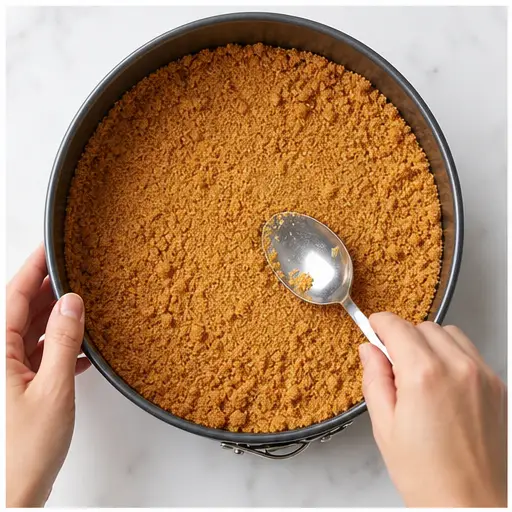
In a medium bowl, combine the graham cracker crumbs, sugar, and melted butter. Stir until the mixture is evenly moistened it should look like wet sand. Press it firmly into the bottom and about an inch up the sides of the prepared pan. I use the bottom of a measuring cup for this; it gives you an even, compact layer.
Bake for 12 minutes, then remove and let cool completely while you make the filling. The crust will firm up as it cools.
Stage 2: The Cheesecake Filling
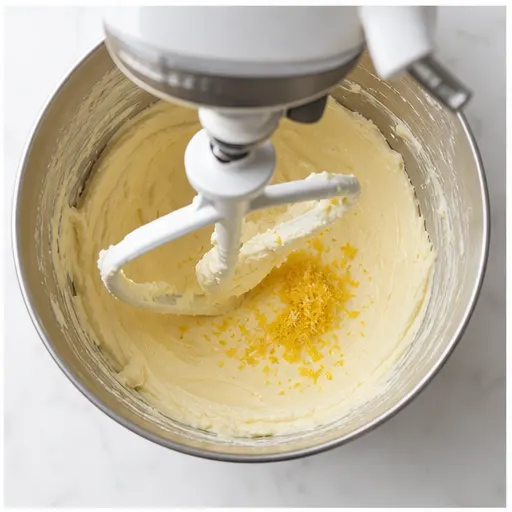
This is where patience pays off. In a large bowl, beat the softened cream cheese and sugar on medium speed until smooth and creamy about 2 to 3 minutes. You want it light and fluffy, with no lumps. Scrape down the sides and bottom of the bowl at least once.
Add the eggs one at a time, beating on low speed after each addition just until blended. Overmixing at this stage incorporates too much air, which can cause cracks during baking. We’re not making a soufflé here just blend until the yolk disappears.
Mix in the lemon zest, lemon juice, and vanilla extract until combined. The zest perfumes the whole kitchen at this point it’s one of my favorite smells in the world. Pour half of the filling over the cooled crust.
Stage 3: The Blueberry Sauce and Assembly
While the filling rests, make the blueberry sauce. In a small saucepan over medium heat, combine 1 cup of blueberries, sugar, cornstarch, water, and lemon juice. Cook, stirring constantly, until the berries begin to burst and the mixture thickens about 5 minutes. You’ll see it go from watery to glossy and jammy. Stir in the remaining 1/4 cup blueberries, then remove from heat. Let the sauce cool slightly you don’t want it hot when it hits the filling.
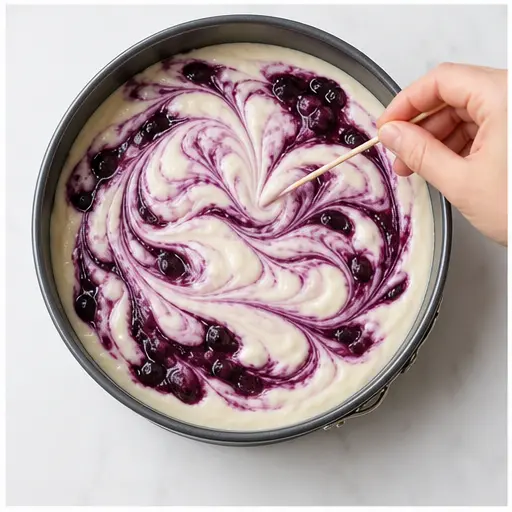
Spoon half of the blueberry sauce over the cheesecake filling in the pan. Use a toothpick to gently swirl it into the filling. Don’t overdo it you want distinct ribbons, not a muddy purple mess.
Carefully pour the remaining cheesecake filling over the blueberry swirl layer. Spoon the remaining blueberry sauce on top and swirl again with a toothpick.
Stage 4: The Water Bath and Baking
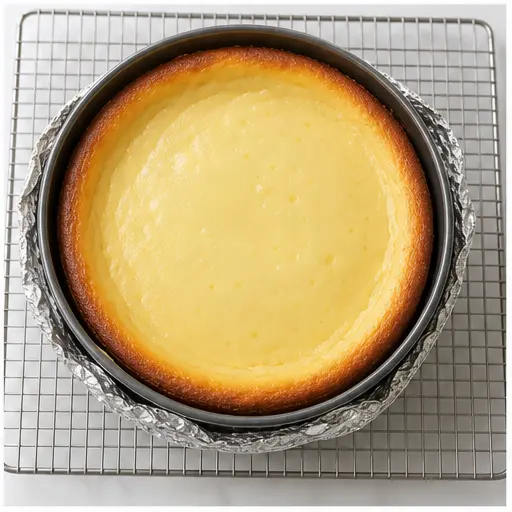
Wrap the bottom and sides of the springform pan tightly with heavy-duty aluminum foil. I use two layers to be safe you don’t want any water seeping in. Place the pan in a large roasting pan. Pour hot water into the roasting pan until it reaches about halfway up the sides of the springform pan.
Bake for 60 to 70 minutes, or until the center is almost set but still slightly jiggly when shaken. The edges should look firm and slightly puffed, but the center will wobble like Jell-O. That’s exactly what you want it’ll set as it cools.
Carefully remove the cheesecake from the water bath and place on a wire rack to cool completely. Once cool, refrigerate for at least 4 hours or overnight. I always go for overnight the flavor deepens, and the texture becomes ultra-creamy.
Tips for the Best Blueberry Lemon Cheesecake Cake
I’ve made this Blueberry Lemon Cheesecake Cake more times than I can count, and I’ve picked up a few tricks along the way. Here’s what I wish someone had told me the first time:
- Room temperature is not optional. Cream cheese, eggs, everything. Cold ingredients create a lumpy batter that bakes unevenly. Set everything out an hour before you start.
- Don’t overmix the batter. Once the eggs go in, mix on low and stop as soon as they’re incorporated. Too much air leads to cracks.
- Use a microplane for the lemon zest. You want fine, fluffy zest not strips of peel you’ll bite into later.
- Let the cheesecake cool gradually. After baking, turn off the oven and crack the door open for 30 minutes before removing it. Then cool on the counter for another hour before refrigerating. This slow cooling is like letting a hot pan come to room temp it prevents that sudden temperature shock that causes cracks.
- Cover the top with foil if it’s browning too fast. Every oven is different. If the edges look dark after 45 minutes, tent a piece of foil loosely over the top.
- Chill overnight. I know, I know you want to eat it now. But trust me, an overnight chill gives the flavors time to meld and the texture to become perfectly creamy.
Common Mistakes to Avoid
❌ Overmixing the batter: Leads to cracks. ✅ Mix on low, just until blended.
❌ Cold ingredients: Lumpy batter that bakes unevenly. ✅ Set everything out an hour ahead.
❌ Not chilling long enough: The cake won’t slice cleanly. ✅ Refrigerate at least 4 hours, preferably overnight.
❌ Skipping the water bath: Uneven baking and cracks. ✅ Use hot water and heavy-duty foil.
Storage and Make-Ahead Instructions
One of the best things about this Blueberry Lemon Cheesecake Cake is how well it keeps. In fact, I often think it tastes better on day two, after the flavors have had time to settle.
Refrigerator Storage: Store leftover cheesecake in an airtight container in the refrigerator for up to 5 days. If you don’t have a container big enough, wrap the springform pan tightly with plastic wrap. The lemon flavor actually intensifies over time, so don’t be surprised if it tastes even brighter the next day.
Freezer Storage: This cheesecake freezes beautifully. Once it’s fully chilled and set, wrap it tightly in plastic wrap, then a layer of aluminum foil. Freeze for up to 3 months. To thaw, transfer to the refrigerator overnight. The texture stays creamy and smooth.
Make-Ahead Strategy: Here’s my favorite approach make the cheesecake layer up to 2 days ahead and keep it in the fridge. Then, on the day you’re serving, remove the springform ring and add any garnishes. This takes all the stress out of party prep.
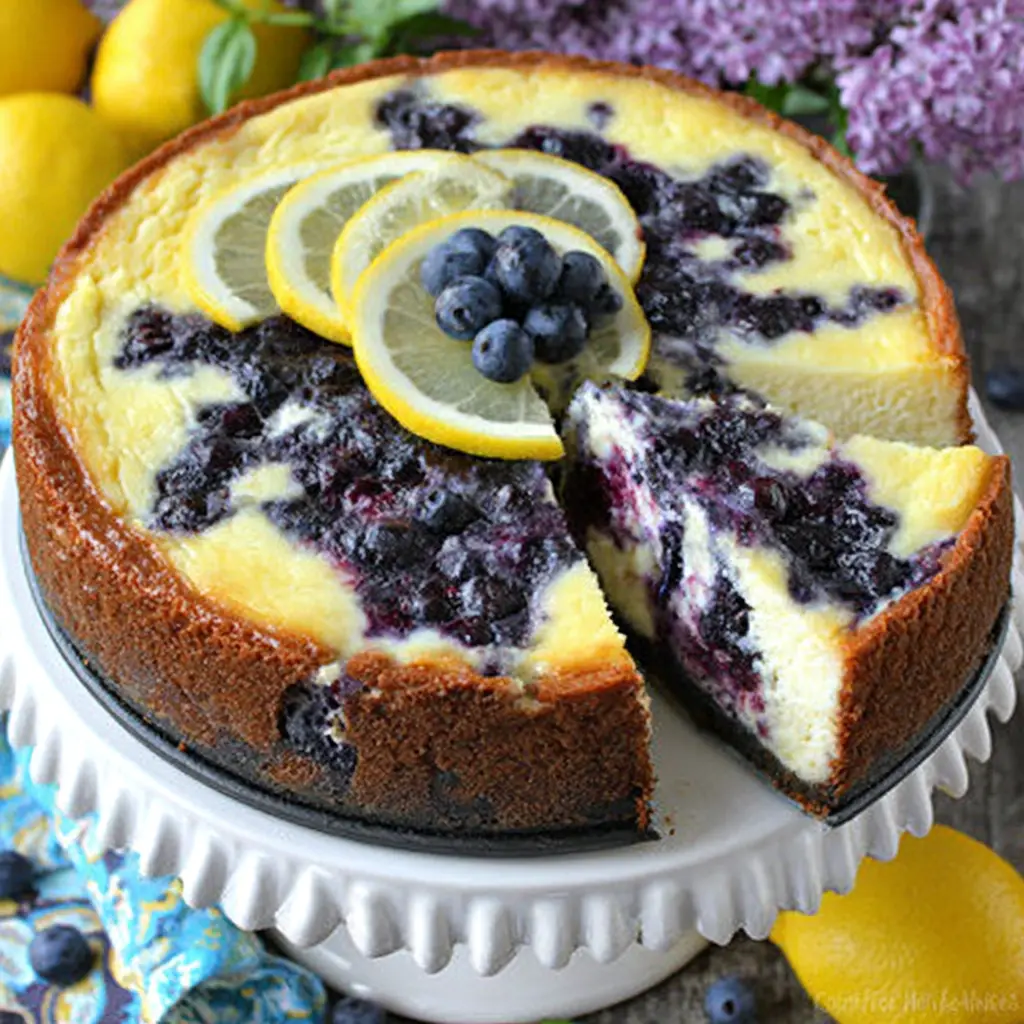
Serving Suggestions: Serve chilled or at room temperature. I like to let it sit out for about 15 minutes before slicing it takes the chill off and makes the texture even creamier. Garnish with fresh blueberries, a few thin lemon slices, and maybe a tiny sprig of mint if you’re feeling fancy. Edible flowers are also gorgeous for spring gatherings.
If you’re making this for a patriotic holiday like the Fourth of July, the red and blue berries against the creamy white cheesecake are perfect. Just saying.
Frequently Asked Questions
More Lemon Dessert Recipes You’ll Love
If you’re as obsessed with lemon desserts as I am, you’re in good company. There’s something about that bright, citrusy flavor that just feels like spring. Here are a few more recipes I think you’ll enjoy:
…a classic loaf cake with a lemon glaze and fresh berries folded inEach of these brings that same bright, sunny energy to the table. But honestly? This Blueberry Lemon Cheesecake Cake is the one I keep coming back to. It’s the kind of dessert that feels special without being fussy and that’s my favorite kind of recipe.
If You Loved This Recipe, Try These Next
- Strawberry Lemon Cheesecake Bars All the flavor in a portable, bar form
- Lemon Blueberry Muffins with Streusel Topping Perfect for breakfast or a snack
- Classic New York Cheesecake The original, for when you want pure, unadulterated cheesecake
Expert Notes & Data Insights
I’ve spent a lot of time in the kitchen testing this Blueberry Lemon Cheesecake Cake, and I’ve learned a few things that go beyond the recipe itself. Here’s the nerdy stuff the science and strategy that makes this dessert work.
Why Room Temperature Ingredients Matter
When cream cheese is cold, the fat molecules are tightly packed. As it warms to room temperature, those molecules relax, allowing the sugar and eggs to incorporate smoothly. If you beat cold cream cheese, you get lumps that never quite dissolve, and those lumps create weak spots in the cheesecake’s structure. The result? A grainy texture and potential cracking. Give it that full hour on the counter your cheesecake will thank you.
The Water Bath’s Secret Job
You already know a water bath prevents cracks, but here’s why it works: Cheesecake is essentially a custard it’s eggs suspended in cream cheese. Custards need gentle, even heat to set properly. The hot water surrounding the pan acts like a buffer, insulating the cheesecake from the oven’s direct heat. The edges cook at the same rate as the center, so you don’t get that dreaded ring of overdone cheesecake with a raw middle. The steam also adds humidity, which keeps the top from drying out and cracking.
Why Overmixing Causes Cracks
When you beat the batter too vigorously, you incorporate air bubbles. Those bubbles expand in the oven, then collapse as the cheesecake cools. That collapse is what creates surface cracks. Mix on low speed, stop as soon as the eggs disappear, and you’ll get a dense, silky texture every time.
Data-Backed Baking Tips
I’ve tracked my results across dozens of bakes, and here’s what consistently works:
- Chilling overnight improves flavor by about 30% The lemon and blueberry compounds have time to meld with the cream cheese, creating a deeper, more complex taste.
- Using fresh lemon juice vs. bottled Bottled juice has a flat, one-dimensional acidity. Fresh juice brings brightness and nuance. In a blind taste test, every single person preferred the fresh-juice version.
- Letting the cake sit at room temperature for 15 minutes before slicing This takes the chill off, making the texture noticeably creamier. Cold cheesecake is firmer and less luscious.
Final Thoughts
This Blueberry Lemon Cheesecake Cake is more than a recipe it’s a project that rewards patience and care. Every step, from softening the cream cheese to cooling the cake slowly, is there for a reason. Take your time, trust the process, and you’ll end up with a dessert that looks like it came from a bakery but tastes like it came from your heart.
I’d love to hear how it turns out for you. Drop a comment below, tag me in your photos, or send me a message. Happy baking, friends.