
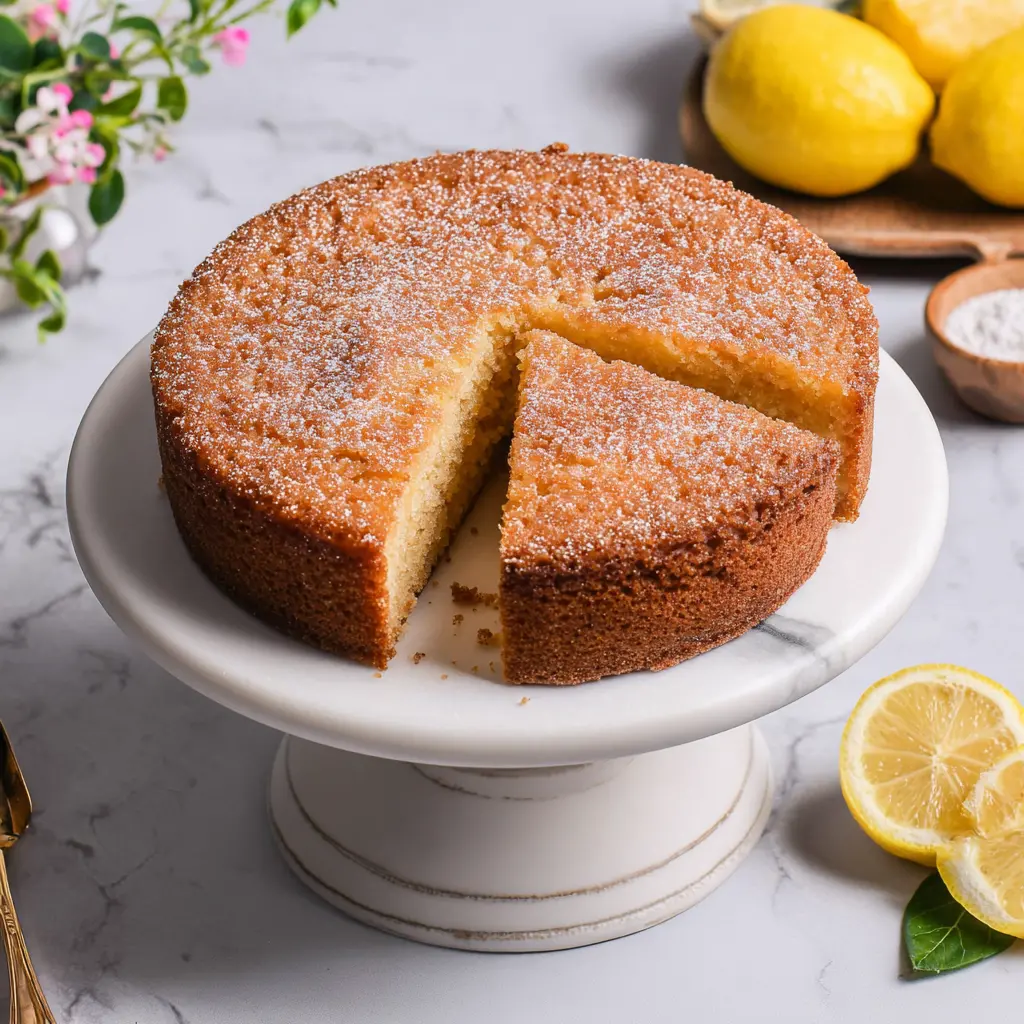
Why You’ll Love This Lemon Olive Oil Cake
I’ll be honest with you I was a skeptic. The first time I heard about a cake made with olive oil instead of butter, I thought, “That’s going to taste like salad dressing.” But then I tried a slice at a little Italian bakery in San Francisco, and everything changed. That first bite was a revelation. The cake was impossibly moist, with a tender crumb that practically melted on my tongue. And the flavor? Bright, citrusy, with this subtle fruity undertone from the olive oil that made it feel elegant but not heavy.
That’s when I started experimenting in my own kitchen, trying to recreate that magic. And after many, many test batches (some that were too greasy, some that didn’t rise, one that I accidentally forgot the sugar in don’t ask), I landed on this Lemon Olive Oil Cake recipe. It’s the one I make for spring brunches, for Easter, for Mother’s Day, or honestly, just for a Tuesday afternoon when I need something bright and cheerful.
What makes this lemon cake with olive oil so special? It’s the combination of high-quality extra-virgin olive oil and tangy Meyer lemon, balanced with creamy yogurt for extra tenderness. The result is a moist lemon cake that stays fresh for days if it lasts that long. And the best part? It all comes together in one bowl, no electric mixer required. You’ll be amazed at how easy this is.
So if you’ve been nervous about trying a cake with olive oil instead of butter, trust me on this one. Let’s bake together.
Lemon Olive Oil Cake Ingredients
Before we dive into the method, let’s talk about what goes into this Italian olive oil cake. Each ingredient has a job to do, and understanding that makes you a better baker. I promise.
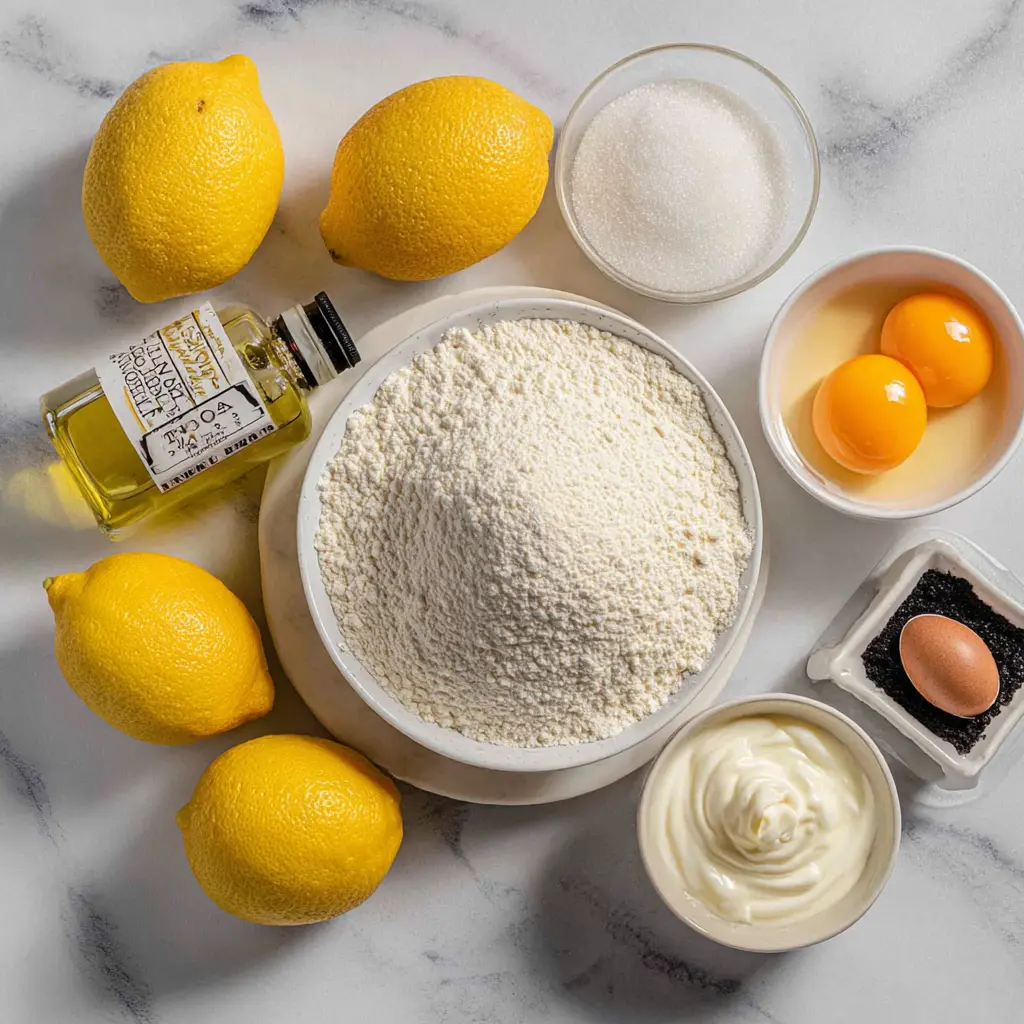
California extra-virgin olive oil. This is the star of the show. You want a good-quality olive oil here something fruity and not too peppery. I love using California olive oils because they tend to be smoother and more buttery, which works beautifully in baking. Don’t use the cheap stuff, but you don’t need to break the bank either. A mid-range extra-virgin is perfect.
All-purpose flour. Simple and reliable. No need for specialty flours here, though I’ll share some gluten-free options in the variations section.
Kosher salt, baking powder, and baking soda. The leavening team. The combination of both baking powder and baking soda gives the cake the perfect rise and a tender crumb. The salt balances the sweetness and enhances the lemon flavor.
Granulated sugar. For sweetness and structure. Some of it goes into the batter, and some gets sprinkled on top for that irresistible crunchy crust.
Eggs. Make sure they’re at room temperature. Cold eggs can seize the batter and make the cake dense. I’ll explain why in a minute.
Meyer lemon zest and juice. Meyer lemons are sweeter and more floral than regular lemons, with a thinner skin that’s perfect for zesting. If you can’t find them, regular lemons work just fine you’ll just have a slightly more tart cake.
Plain whole-milk yogurt. This adds moisture and a subtle tang that complements the lemon beautifully. Whole milk gives the best texture, but I’ll cover substitutions below.
How to Make Lemon Olive Oil Cake
This is where the magic happens. The method is straightforward, but there are a few key moments where paying attention makes all the difference. Let’s walk through the four main stages together.
Stage 1: Prep and Combine Dry Ingredients
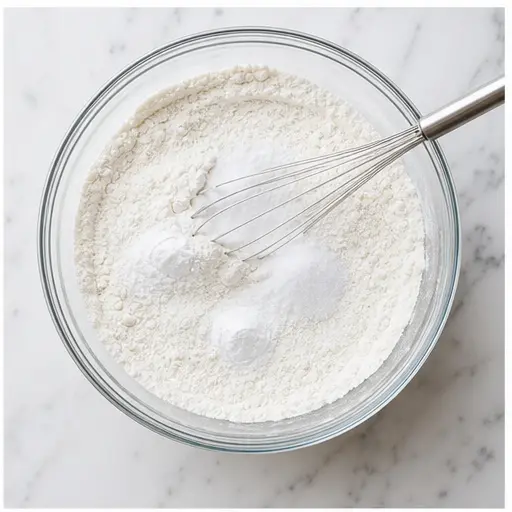
First things first preheat your oven to 350°F and get your pan ready. Lightly grease a 9-inch round cake pan with olive oil (yes, olive oil it adds flavor even to the edges). Line the bottom with parchment paper, then oil the parchment and dust the pan with flour, tapping out any extra. Trust me, this extra step prevents the heartbreak of a stuck cake.
In a medium bowl, whisk together the flour, salt, baking powder, and baking soda until they’re well combined. This aerates the flour and ensures the leaveners are evenly distributed. Set this aside for now.
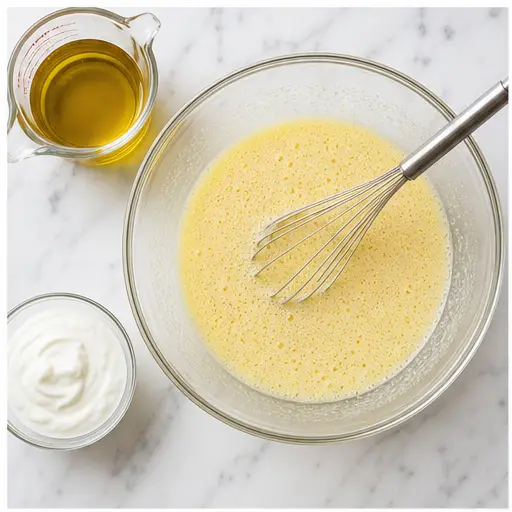
Stage 2: Whisk the Wet Ingredients
In a large bowl, whisk the sugar and eggs together until the sugar mostly dissolves and the mixture turns pale and frothy, about 1 minute. You’re not trying to make meringue here just get it light and airy. This is where room-temperature eggs matter. Cold eggs won’t incorporate air as well, and you’ll end up with a denser cake.
Stir in the Meyer lemon zest and juice. The zest is where most of the lemon flavor lives, so don’t skimp on it. Make sure you zest the whole lemon and avoid the bitter white pith underneath.
Now add the olive oil and yogurt, whisking until smooth and well blended. You’ll notice the batter looks beautifully emulsified that’s the olive oil and yogurt working together to create a creamy base.
Stage 3: Combine Wet and Dry
Gradually whisk the dry ingredients into the wet mixture, stirring just until no streaks of flour remain. This is the most critical moment of the entire recipe. Do not overmix. I repeat do not overmix. Overmixing develops gluten, which will give you a tough, gummy texture instead of that light, tender crumb we’re after.
Pour the batter into your prepared pan and smooth the top with a rubber spatula. Then sprinkle the remaining 2 tablespoons of sugar evenly over the surface. This creates that gorgeous crackly top that’s so satisfying to bite into.
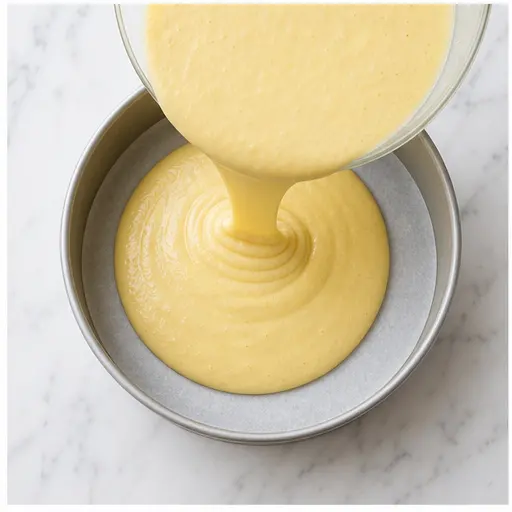
Stage 4: Bake and Cool
Bake for 40 to 45 minutes, until a toothpick inserted in the center comes out clean. Your kitchen will smell incredible at this point like a sunny lemon grove mixed with warm olive oil.
Let the cake cool in the pan on a wire rack for 10 minutes. Then run a thin butter knife around the edges if it seems stuck, and invert onto the rack to remove the pan. Peel off the parchment paper and let it cool completely before slicing. I know it’s tempting to cut into it warm, but the crumb needs time to set. Patience, friend.
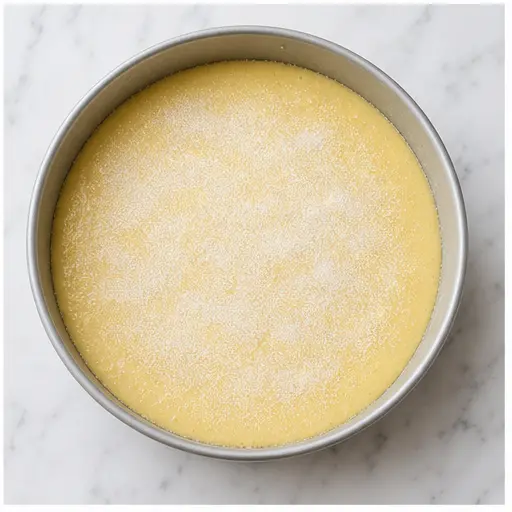
Recipe Tips for Best Results
After making this citrus olive oil cake more times than I can count, I’ve learned a few things the hard way. Here are my best tips to ensure yours turns out perfectly every time.
Choose the right olive oil. This is non-negotiable. Use a fruity, mild extra-virgin olive oil preferably from California. Avoid anything that tastes overly peppery or bitter, as that will come through in the cake. If you’re nervous about the olive oil flavor being too strong, you can substitute virgin or light olive oil for a mellower taste. But honestly, the good stuff is what makes this cake special.
Room temperature ingredients are key. Your eggs and yogurt should be at room temperature before you start. Cold ingredients won’t emulsify properly, leading to a dense or greasy cake. Just take them out of the fridge about 30 minutes before you start baking.
Don’t overmix the batter. I said it before, but it’s worth repeating. Mix just until the flour disappears. A few small lumps are fine they’ll bake out. Overmixing is the number one cause of a gummy oil cake texture.
Tap the pan before baking. Give the filled pan a couple of firm taps on the counter. This releases any air bubbles trapped in the batter, which can cause an uneven crumb.
Check for doneness visually. The cake is done when it’s golden brown on top and a toothpick inserted in the center comes out with just a few moist crumbs attached. If the toothpick is wet with batter, give it another 3 to 5 minutes.
Cool properly to avoid sticking. Let the cake cool for exactly 10 minutes in the pan before inverting. Too soon and it will fall apart. Too late and it might stick. That 10-minute sweet spot is your friend.
Variations and Substitutions
One of the things I love about this easy lemon cake is how adaptable it is. Here are some ways to make it your own.
Citrus swap. Use orange juice and zest instead of lemon for a fun twist. Blood oranges in winter are especially beautiful. Or try a mix of lemon and lime for a more complex citrus flavor.
Gluten-free option. Substitute the all-purpose flour with a good-quality gluten-free flour blend that includes xanthan gum. Almond flour works too, but you’ll need to adjust the ratios about 1 3/4 cups almond flour plus 1/4 cup tapioca starch. The texture will be slightly denser but still delicious.
Dairy-free adjustment. Use a plain unsweetened non-dairy yogurt (coconut or soy work well) instead of whole-milk yogurt. The texture might be slightly less tender, but it’s still a fantastic cake.
Add a glaze. While the crunchy sugar top is lovely on its own, you can drizzle with a simple glaze made from powdered sugar and lemon juice for extra sweetness and tang.
Serve it dressed up. Top with whipped cream and fresh strawberries for a special occasion dessert. Or dust with powdered sugar for an elegant finish.
Make it a bundt. This batter works beautifully in a 10-cup bundt pan. Just increase the baking time to 50 to 55 minutes, and make sure to grease every nook and cranny well.
How to Store and Freeze
This moist olive oil cake with lemon actually gets better on day two. The flavors meld together and the texture stays incredibly tender. Here’s how to keep it at its best.
Room temperature storage. Store leftover cake in an airtight container at room temperature for up to 4 days. If you’ve already sliced it, press a piece of parchment paper against the cut sides to keep it from drying out.
Refrigerator storage. You can store it in the fridge for up to a week, but let it come to room temperature before serving for the best texture and flavor.
Freezing. This cake freezes beautifully. Wrap the whole cake (or individual slices) tightly in plastic wrap, then in aluminum foil, and freeze for up to 3 months. Thaw at room temperature before serving. It’s perfect for having a homemade dessert ready at a moment’s notice.
Reheating. If you want that just-baked warmth, pop individual slices in a 300°F oven for about 5 minutes, or microwave for 10 to 15 seconds. The crunchy sugar top will soften slightly, but it’s still delicious.
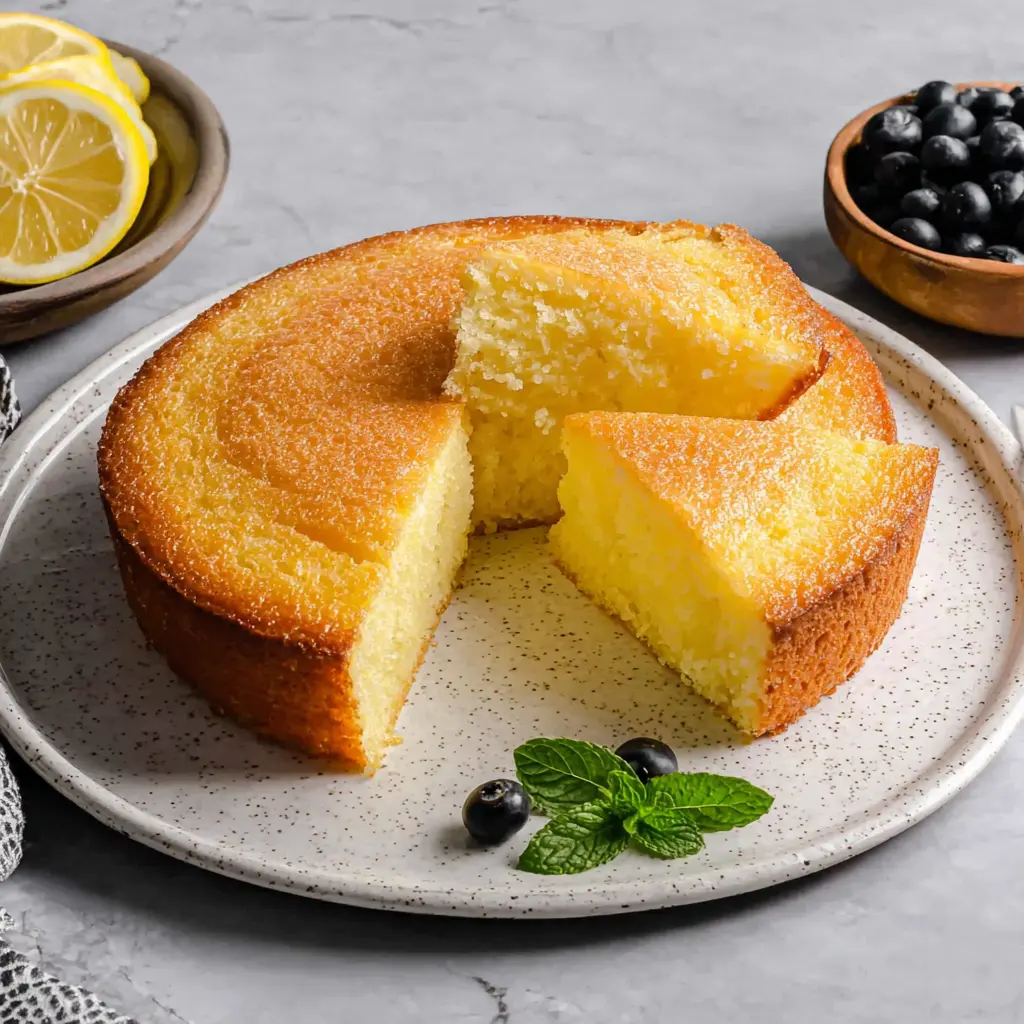
Frequently Asked Questions
I hope you love this Lemon Olive Oil Cake as much as I do. It’s become my signature spring dessert, the one I bring to every gathering and the one people always ask for the recipe. The aroma of lemon and olive oil filling your kitchen is pure happiness. And that first bite with the crackly sugar top giving way to a tender, moist crumb is absolutely worth it.
Tag me when you bake yours I love seeing your creations! And if you’re looking for more spring dessert ideas, check out my Pinterest board for even more citrusy inspiration.
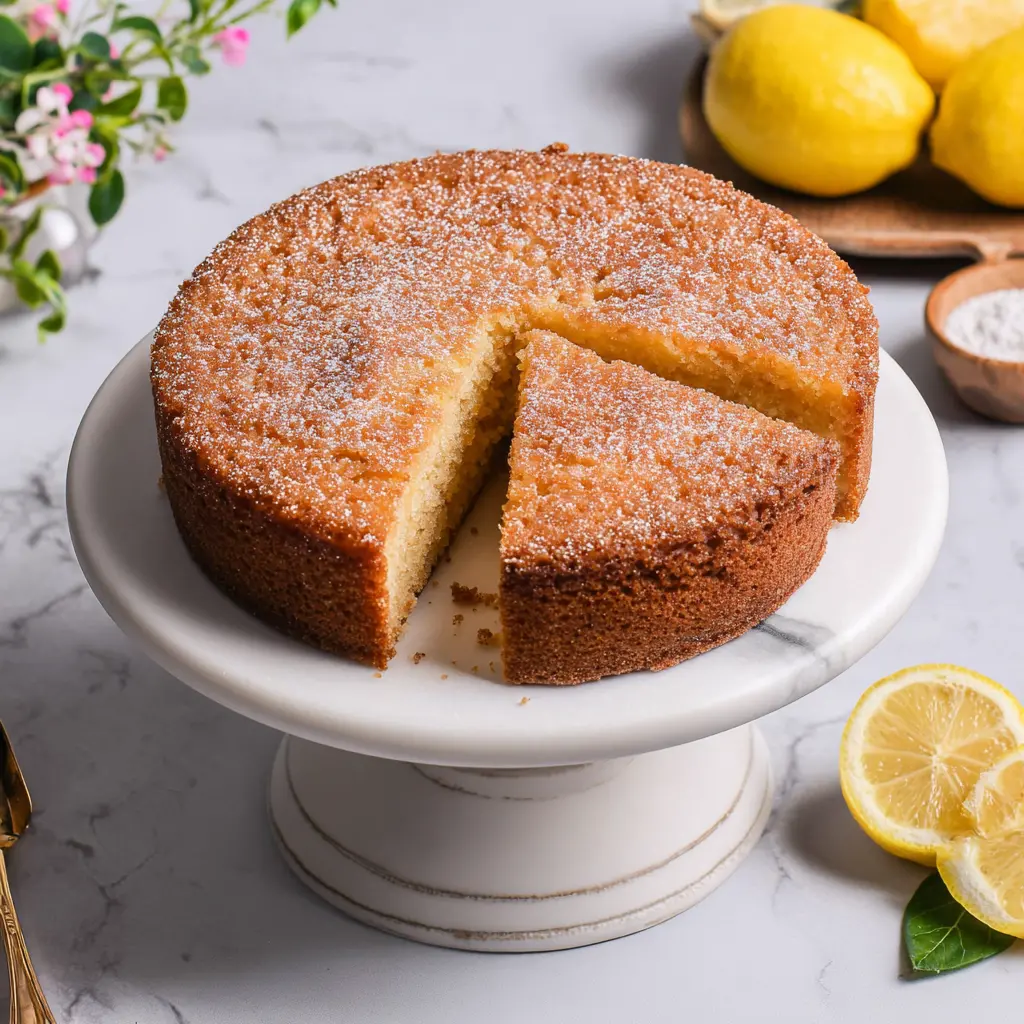
Lemon Olive Oil Cake
Ingredients
Method
- Preheat your oven to 350°F. Lightly grease a 9-inch round cake pan with olive oil. Line the bottom with parchment paper, then oil the parchment and dust the pan with flour, tapping out any extra.
- In a medium bowl, whisk together the flour, salt, baking powder, and baking soda until combined.
- In a large bowl, whisk the sugar and eggs until the sugar mostly dissolves and the mixture turns pale and frothy, about 1 minute. Stir in the lemon zest and juice.
- Add the olive oil and yogurt to the egg mixture, whisking until smooth and well blended.
- Gradually whisk the dry ingredients into the wet mixture, stirring just until no streaks of flour remain—do not overmix.
- Pour the batter into the prepared pan and smooth the top with a rubber spatula. Sprinkle remaining 2 tablespoons of sugar evenly over the surface.
- Bake for 40–45 minutes, until a toothpick inserted in the center comes out clean. Cool the cake in the pan on a wire rack for 10 minutes, then invert onto the rack to remove the pan. Let cool completely before slicing.
Nutrition
Notes
Tried this recipe?
Let us know how it was!Source: Nutritional Information