
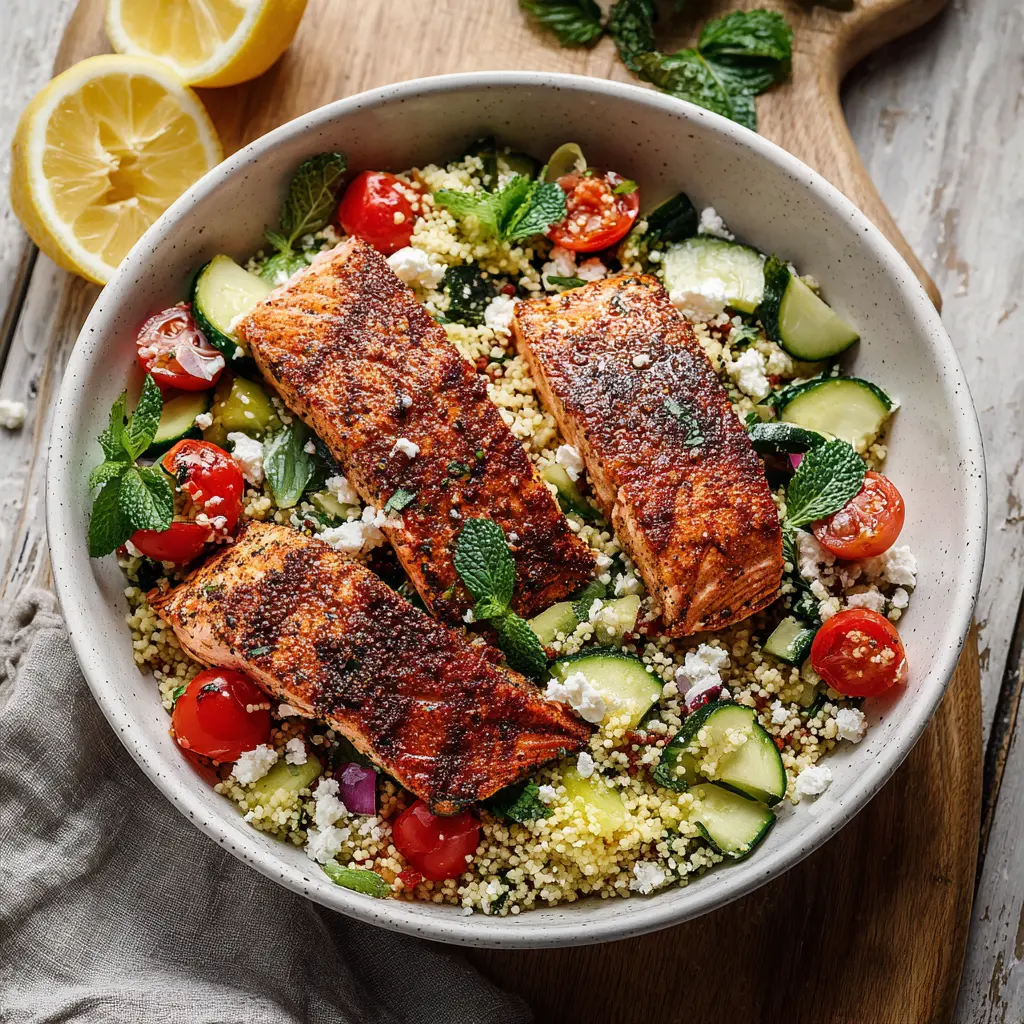
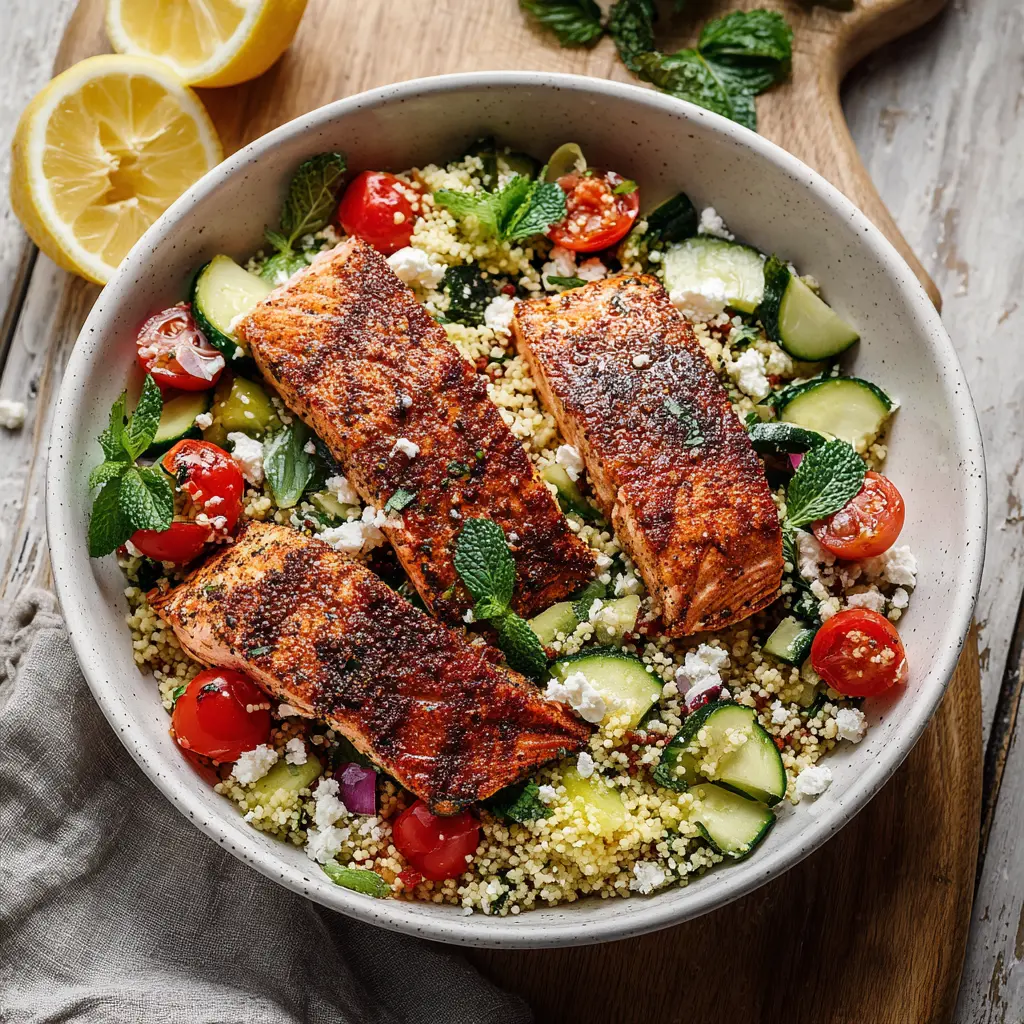
Mediterranean Salmon Couscous Bowl
Ingredients
Method
- In a small bowl, whisk together avocado oil, cumin, smoked paprika, garlic powder, and a pinch of salt until smooth.
- Place salmon fillets on a plate and brush the spice mixture evenly over both sides. Season with black pepper. Let rest while you prepare the couscous.
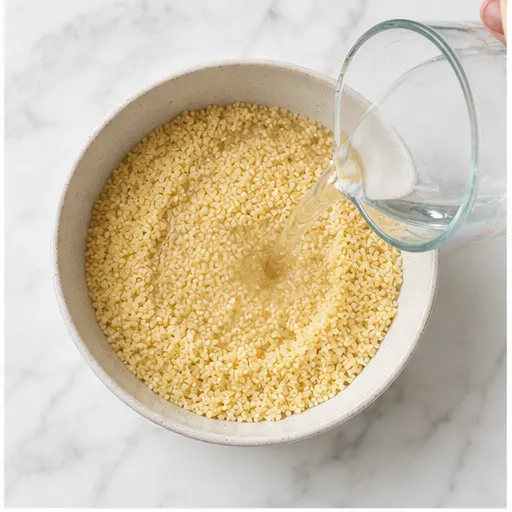
- Cook the couscous according to package directions (typically boil 1/2 cup couscous with 1/2 cup water, cover, and let sit 5 minutes). Fluff with a fork.
- While couscous cooks, dice cucumber, halve cherry tomatoes, mince shallot, and chop fresh mint.
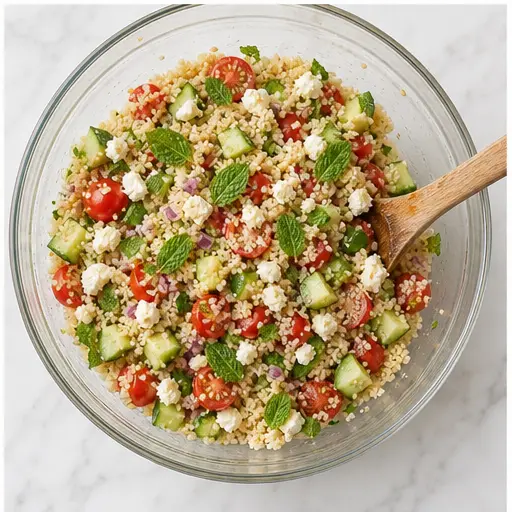
- Once couscous is done, transfer to a large bowl. Add cucumber, tomatoes, shallot, mint, feta, lemon juice, and olive oil. Toss gently to combine. Season with salt and pepper to taste. Set aside.
- Heat a large nonstick skillet over medium-high heat. Test by flicking a drop of water into the pan; if it sizzles and evaporates, the pan is ready.
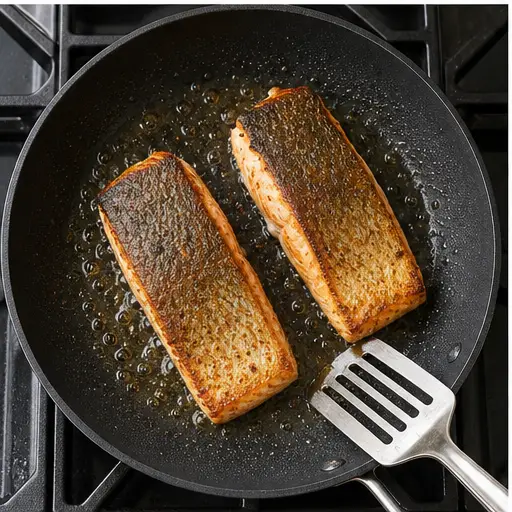
- Place salmon fillets skin-side down in the hot pan. Cook for 3–5 minutes, pressing gently with a spatula to ensure even contact.
- When the sides of the salmon turn opaque, flip the fillets so the skinless side is down. Immediately turn off the heat and let the salmon finish cooking in the residual heat for 1–2 minutes. The center should remain tender and slightly translucent.
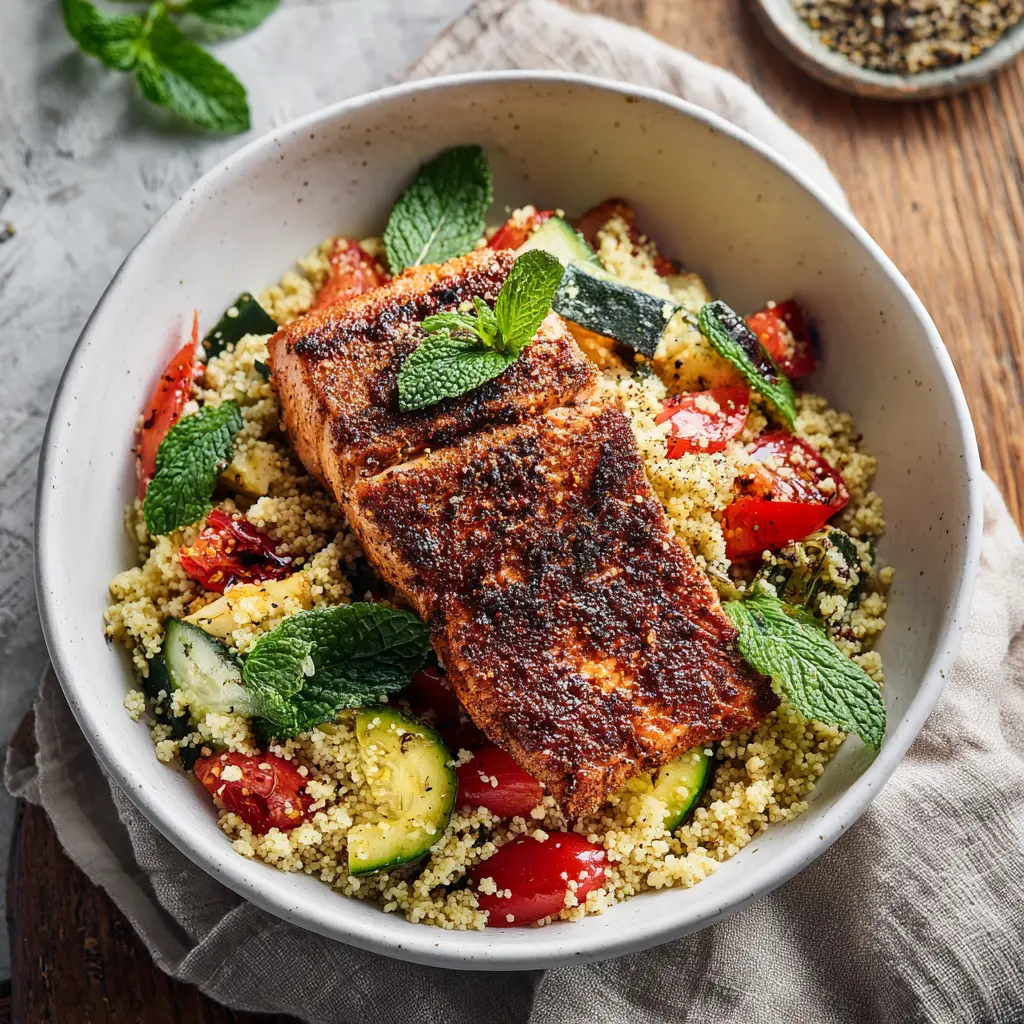
- Divide the couscous salad between two bowls. Top each with a cooked salmon fillet. Serve warm or at room temperature.
Nutrition
Notes
Tried this recipe?
Let us know how it was!Why This Mediterranean Salmon Couscous Bowl Works
I have a confession. For the longest time, I thought cooking salmon at home was a gamble. You know the drill one minute it’s perfectly moist, the next it’s dry enough to be a hockey puck. And don’t even get me started on the fishy smell that lingers for days.
This Mediterranean Salmon Couscous Bowl changed all that for me. It’s the kind of recipe that makes you feel like you actually know what you’re doing in the kitchen. The salmon comes out with this gorgeous crispy crust from the cumin and smoked paprika, but the inside stays tender and almost buttery. And the couscous salad? It’s bright, refreshing, and loaded with crunchy cucumber, sweet cherry tomatoes, and salty feta.
The best part is that this healthy salmon couscous dish comes together in about 35 minutes. That’s less time than it takes to order takeout and wait for delivery. I’ve made this for busy weeknights when I need something quick but don’t want to compromise on flavor. It’s also become my go-to meal prep bowl for lunches throughout the week.
Ingredients for Salmon Couscous Bowl
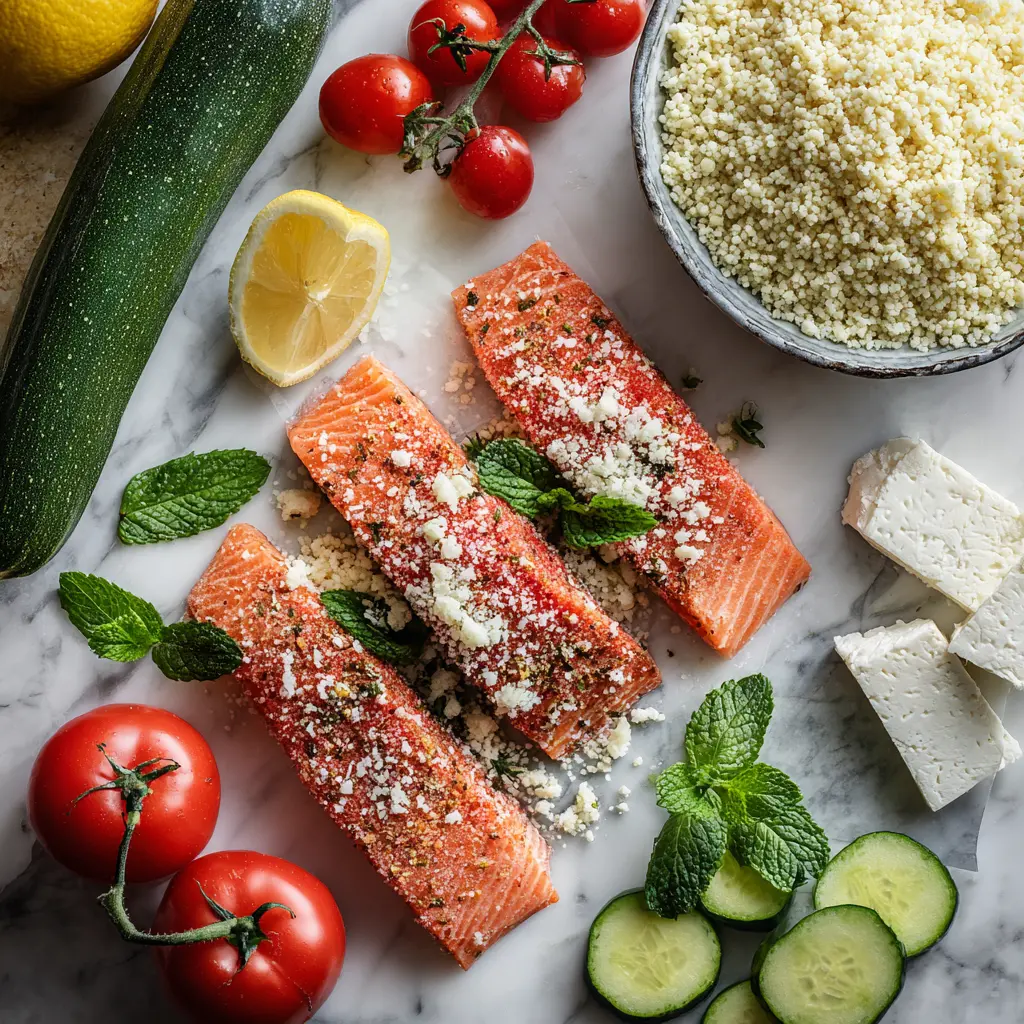
One thing I love about this recipe is that the ingredient list is short and everything pulls double duty. You’re not hunting down obscure spices or spending a fortune at the store. Here’s what you’ll need:
For the salmon: You’ll grab two salmon fillets (about 4-6 ounces each), avocado oil for that high-heat sear, and a simple spice blend of ground cumin, smoked paprika, garlic powder, salt, and black pepper. That’s it. The spices create this incredible crust that tastes like something from a fancy restaurant.
For the couscous salad: Moroccan couscous is the base here it’s tiny and cooks in like five minutes. Then you’ll need an English cucumber (those long ones with fewer seeds), cherry tomatoes, a shallot, fresh mint leaves (trust me on this one), crumbled feta cheese, a Meyer lemon, and extra-virgin olive oil.
I usually pick up the salmon from the fish counter at my local Ralphs or Whole Foods. I always ask them to cut me two 5-ounce pieces. For the produce, the Santa Monica Farmers Market has the best cherry tomatoes and fresh mint, but honestly, the regular grocery store works just fine.
How to Make Mediterranean Salmon Couscous Bowl
Let me walk you through the process. I’ve broken it down into four main stages so it feels manageable. And I’ll share a few tricks I’ve learned along the way like the whole “turning off the heat early” thing that changed my salmon game forever.
Stage 1: Prep the Salmon
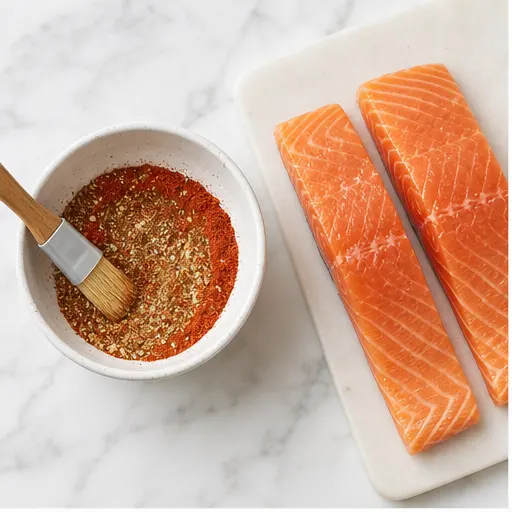
Start by whisking together the avocado oil, cumin, smoked paprika, garlic powder, and a pinch of salt in a small bowl. It’ll look like a thick, fragrant paste. Then brush this mixture all over both sides of the salmon fillets. Don’t be shy with it. Season with a crack of black pepper.
Here’s the thing letting the salmon rest with the spice rub for a few minutes while you work on the couscous makes a difference. It gives the flavors time to sink in. I usually set the fillets aside on a plate and move on to the next step.
Stage 2: Make the Couscous Salad
Moroccan couscous is almost too easy. You bring half a cup of water to a boil, pour it over half a cup of dry couscous, cover it, and let it sit for five minutes. That’s it. No stirring, no fussing. When you come back, fluff it with a fork and you’re done.
While the couscous is doing its thing, dice up your cucumber, halve the cherry tomatoes, mince the shallot, and chop the fresh mint. Once the couscous is fluffy, transfer it to a large bowl and toss in all those veggies, the feta, the lemon juice, and the olive oil. Season with salt and pepper. Give it a gentle toss you want everything evenly distributed but not mushy.
Stage 3: Cook the Salmon
This is where the magic happens. Heat a large nonstick skillet over medium-high heat. You want it hot enough that a drop of water sizzles and evaporates immediately. Then place the salmon fillets skin-side down in the pan. Press gently with a spatula to ensure even contact.
Cook for 3 to 5 minutes. You’ll see the sides of the salmon start to turn opaque that’s your cue. Flip the fillets so the skinless side is down, then immediately turn off the heat. Let the salmon finish cooking in the residual heat for 1 to 2 minutes. The center should remain tender and slightly translucent. This technique is foolproof. I learned it after way too many dry salmon dinners, and I’ve never looked back.
Stage 4: Assemble and Serve
Divide the couscous salad between two bowls. Top each with a cooked salmon fillet. You can serve it warm or at room temperature both are delicious. I like to add an extra squeeze of lemon over the top right before serving. It brightens everything up.
That first bite, where you get the crispy spiced salmon with the cool, refreshing couscous salad… it’s honestly restaurant quality. And you made it in your own kitchen in under 35 minutes.
Salmon Nutrition Benefits
I’m not a nutritionist, but I know enough to tell you that salmon is basically a superfood. It’s packed with omega-3 fatty acids, which are great for your heart and brain. A single fillet gives you a solid amount of high-quality protein about 35 grams per serving in this bowl.
The healthy salmon couscous dish also provides vitamin D, B vitamins, and selenium. And because you’re pairing it with a veggie-loaded couscous salad, you’re getting fiber, antioxidants, and a whole range of nutrients from the cherry tomatoes, cucumber, and mint.
What I love most is that this feels like a treat, not a sacrifice. It’s colorful, satisfying, and leaves you feeling energized rather than sluggish. That’s the kind of balanced meal I want to eat regularly.
Couscous Nutrition Benefits
Couscous often gets overlooked, but it’s a fantastic quick-cooking grain. Moroccan couscous is made from semolina wheat, so it provides complex carbohydrates for steady energy. It’s also naturally low in fat and contains some fiber.
One thing I appreciate is that couscous cooks in about five minutes. That’s faster than rice, quinoa, or pasta. For a weeknight recipe, that speed is a game-changer. And because it’s so neutral in flavor, it absorbs all the Mediterranean flavors from the lemon, olive oil, and herbs beautifully.
If you’re looking for a gluten-free option, you can swap the couscous for quinoa or millet. Just cook them according to package directions. The texture will be a bit different, but the bowl will still be delicious.
Tips for the Best Salmon Couscous Bowl
After making this Mediterranean Salmon Couscous Bowl more times than I can count, I’ve picked up a few tricks that make a real difference. Here are my top tips:
- Use fresh salmon, not frozen. Fresh fillets have better texture and don’t release as much water when cooking. If you must use frozen, thaw it completely in the fridge overnight and pat it very dry with paper towels.
- Pat the salmon dry before seasoning. This helps the spice rub stick and ensures you get that beautiful crispy crust.
- Don’t overcrowd the pan. Cook the fillets in a single layer with space between them. If they’re too close, they’ll steam instead of sear.
- Let the couscous rest undisturbed. After you pour the hot water over it, cover it and walk away. Don’t peek. Those five minutes are crucial for fluffy results.
- Toast the couscous for extra flavor. If you have an extra minute, toast the dry couscous in the pan before adding water. It adds a nutty depth that’s lovely.
- Use a Meyer lemon if you can find one. They’re sweeter and less acidic than regular lemons. But regular lemons work perfectly fine too.
- Fresh mint is non-negotiable. Dried mint won’t give you the same bright, refreshing flavor. Fresh mint is what makes this salad sing.
Common Mistakes to Avoid
❌ Overcooking the salmon: This is the most common mistake. Salmon continues to cook after you take it off the heat. That’s why I recommend turning off the heat after flipping and letting it finish in the residual heat.
✅ Solution: Use the residual heat method described in the recipe. The center should be slightly translucent and tender when you take it off.
❌ Skipping the fluff step for couscous: If you don’t fluff the couscous with a fork after it rests, it can become clumpy and dense.
✅ Solution: Always fluff with a fork immediately after the 5-minute rest. This separates the grains and gives you light, airy couscous.
Variations to Try
One of the best things about this recipe is how adaptable it is. Here are some variations I’ve tried and loved:
- Gluten-free option: Swap the Moroccan couscous with quinoa or millet. Cook according to package directions and use it the same way.
- Dairy-free option: Use a plant-based feta alternative or simply omit the cheese. The salad is still delicious without it.
- Different protein: Grilled shrimp, halibut, or grilled chicken all work beautifully in place of salmon. Adjust cooking times accordingly.
- Baked salmon: If you prefer not to pan-sear, preheat your oven to 400°F, place the seasoned fillets on a parchment-lined baking sheet, and bake for 12 to 15 minutes.
- Extra crunch: Add toasted almonds or pine nuts on top for a nutty crunch.
- Swap the shallot: Finely diced yellow or red onion works perfectly if you don’t have a shallot on hand.
Storage and Leftovers
This Mediterranean Salmon Couscous Bowl stores surprisingly well. I often make a double batch on Sunday for easy lunches during the week.
Storing: Keep the salmon and couscous salad in an airtight container in the refrigerator for up to 3 days. I recommend storing them separately if possible the salmon stays crisper that way.
Reheating: For the salmon, reheat gently in a skillet over low heat or in the microwave at 50% power. Be careful not to overheat it or it’ll dry out. The couscous salad is actually delicious cold or at room temperature, so you can eat it straight from the fridge.
Make-ahead tip: You can prep the couscous salad a day in advance. Just hold off on adding the mint and lemon juice until right before serving to keep everything fresh and bright.
Frequently Asked Questions
I hope this Mediterranean Salmon Couscous Bowl becomes a regular in your kitchen like it has in mine. It’s one of those recipes that proves healthy eating doesn’t have to be boring or complicated. If you make it, let me know how it turns out! And if you’re looking for more inspiration, check out my Pinterest board where I pin all my favorite quick and healthy bowls.
Source: Nutritional Information