
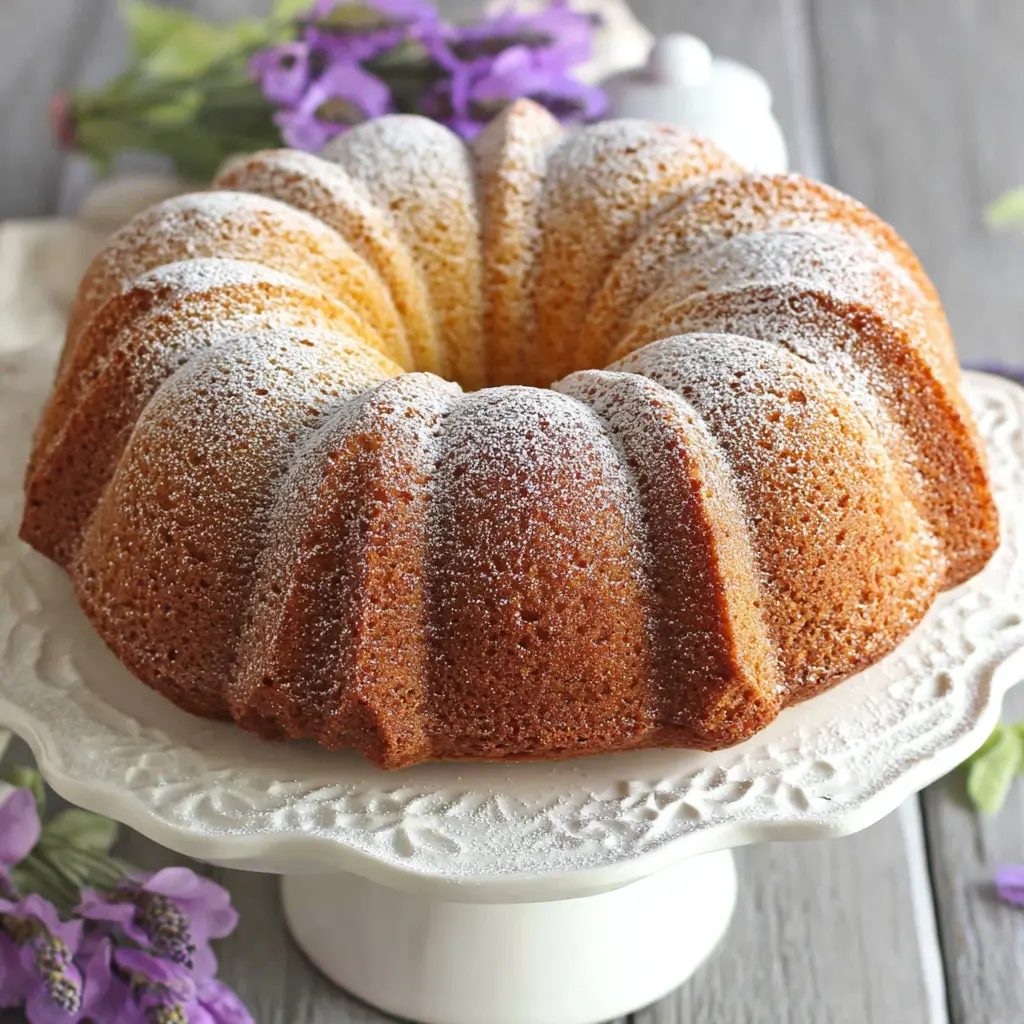
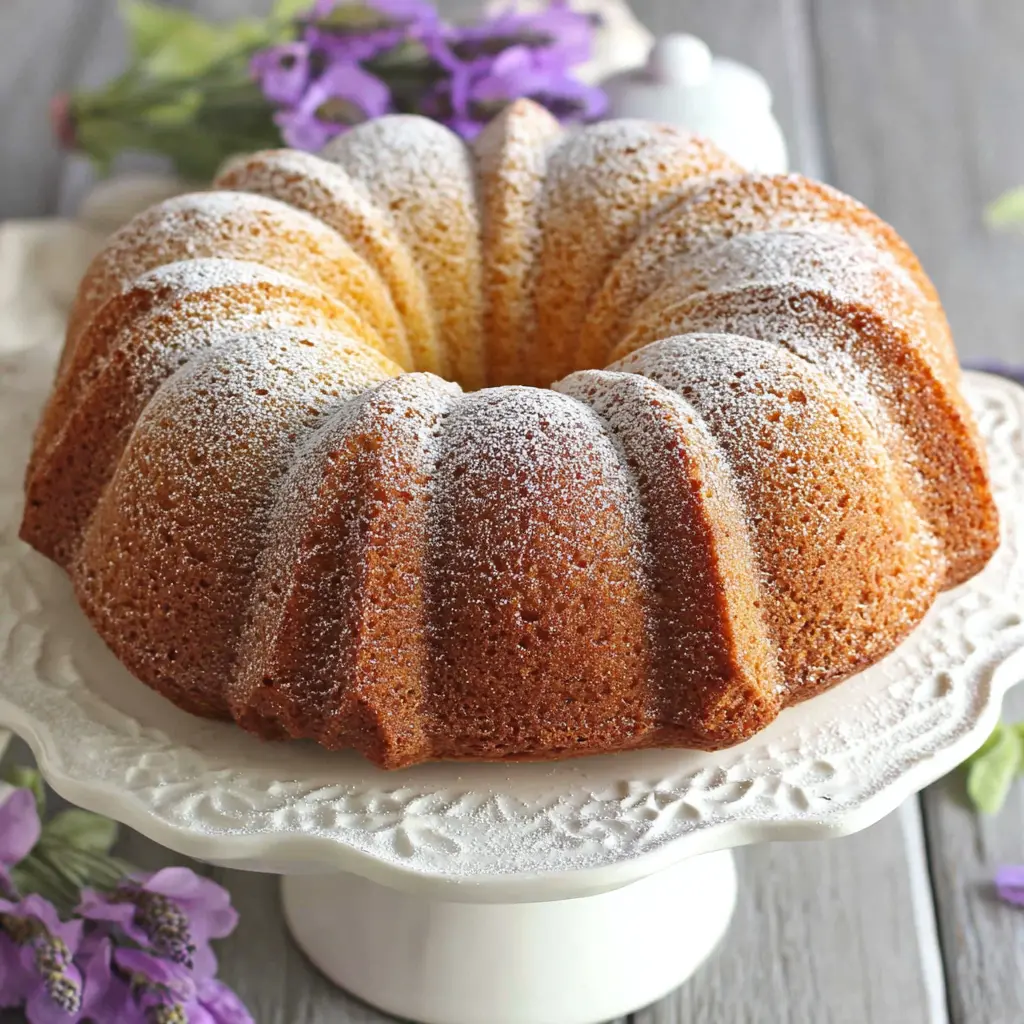
Honey Lavender Cake
Ingredients
Method
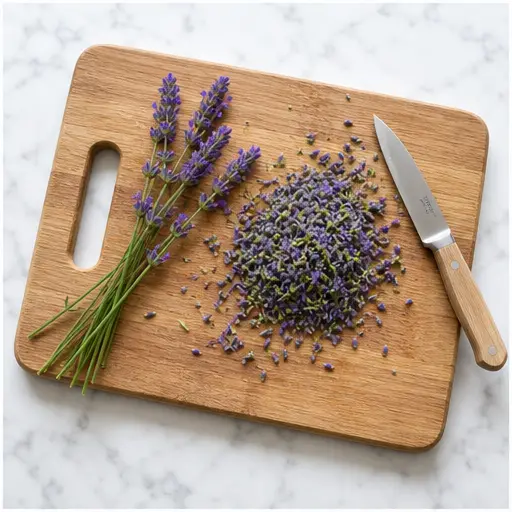
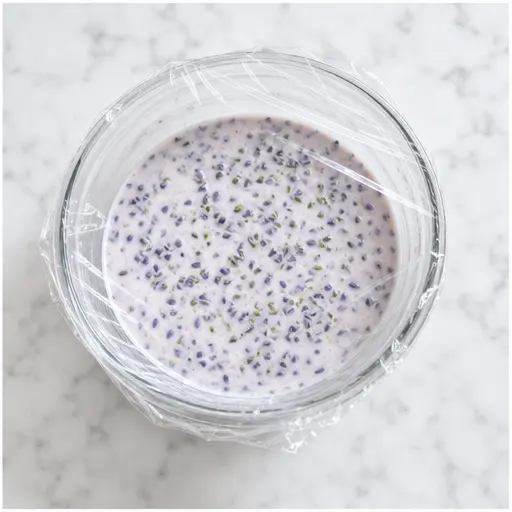
- Remove the lavender flowers from the stems and chop them finely. Place the chopped flowers into 1/4 cup of heavy cream, cover, and refrigerate for at least 2 hours, but overnight is best for a deeper flavor.
- Preheat your oven to 350°F. Grease a 10-cup Bundt pan with baking spray that contains flour, or butter and dust with flour. Set aside.
- In a stand mixer with the paddle attachment, cream together the softened butter, granulated sugar, and honey until light and fluffy, about 3 minutes.
- Add the eggs one at a time, mixing well after each addition. Then add the vanilla extract and mix until combined.
- In a separate bowl, whisk together the all-purpose flour and baking powder.
- Remove the lavender flowers from the cream (discard the flowers or reserve for another use). Stir the lavender-infused cream into the yogurt.
- Chop the extra tablespoon of lavender flowers finely and set aside.
- Add one-third of the flour mixture to the butter mixture and mix on low speed. Then add half of the yogurt-cream mixture and mix. Repeat, ending with the flour mixture, mixing just until combined.
- Fold in the chopped lavender flowers with a spatula.
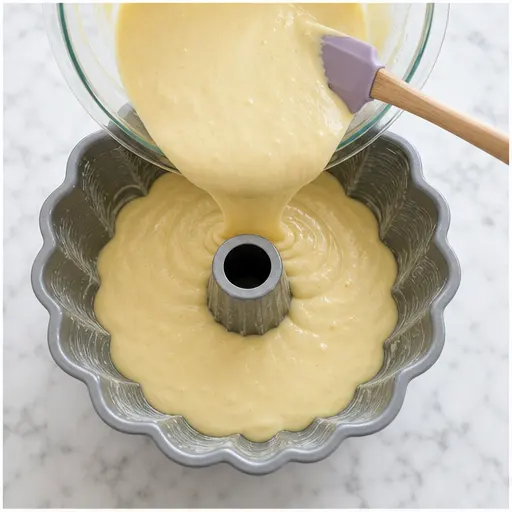
- Pour the batter into the prepared Bundt pan and spread it evenly.
- Bake for 45 minutes, or until a toothpick inserted into the center comes out clean. Let the cake cool in the pan for 10 minutes, then turn it out onto a wire rack to cool completely.
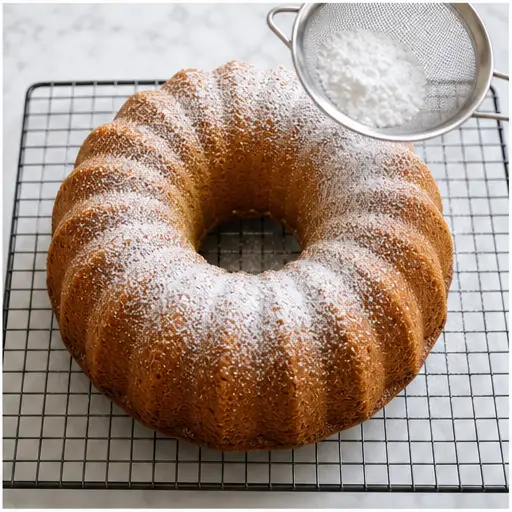
- Once cooled, dust the cake generously with powdered sugar before serving.
Nutrition
Notes
Tried this recipe?
Let us know how it was!Why This Honey Lavender Cake Is a Must-Try
I’ll be honest with you. The first time I tried baking with lavender, it was a disaster. I used way too much, and the cake tasted like I’d sprayed it with my grandmother’s perfume. Not the vibe I was going for.
But this Honey Lavender Cake? It’s completely different. The floral notes are subtle, delicate, and perfectly balanced by the sweetness of honey. It’s the kind of cake that makes people close their eyes when they take a bite. The kind that gets you recipe requests before everyone’s even finished their slice.
This isn’t just any floral cake recipe. It’s a moist honey cake with a tender crumb, thanks to the yogurt and the careful way we infuse the lavender. No dry edges, no dense middle. Just a soft, fragrant cake that tastes like spring in dessert form.
And here’s the thing. You don’t need to be a professional baker to pull this off. If you can cream butter and sugar, you can make this. I promise.
Is This Recipe Beginner-Friendly?
Absolutely. Look, I’m not going to tell you this is a five-minute dump-and-stir situation. But if you’ve made a few cakes before, or even just a batch of muffins, you’ve got the skills for this.
The recipe uses a standard creaming method. You beat the butter and sugar together until fluffy, add the eggs one at a time, then alternate the dry ingredients with the yogurt mixture. It’s straightforward, and I’ve included all the little details that make a difference.
What might be new to you is the lavender infusion. But honestly, that’s the easiest part. You just steep the flowers in cream, then strain them out. No fancy equipment needed.
If you’re nervous about layering or stacking a tall cake, I’ve got great news. This recipe is designed for a Bundt pan. No leveling, no crumb coat, no frosting anxiety. Just a beautiful ring cake that looks impressive with a simple dusting of powdered sugar.
That said, if you want to turn this into a layer cake, you absolutely can. I’ll touch on that later.
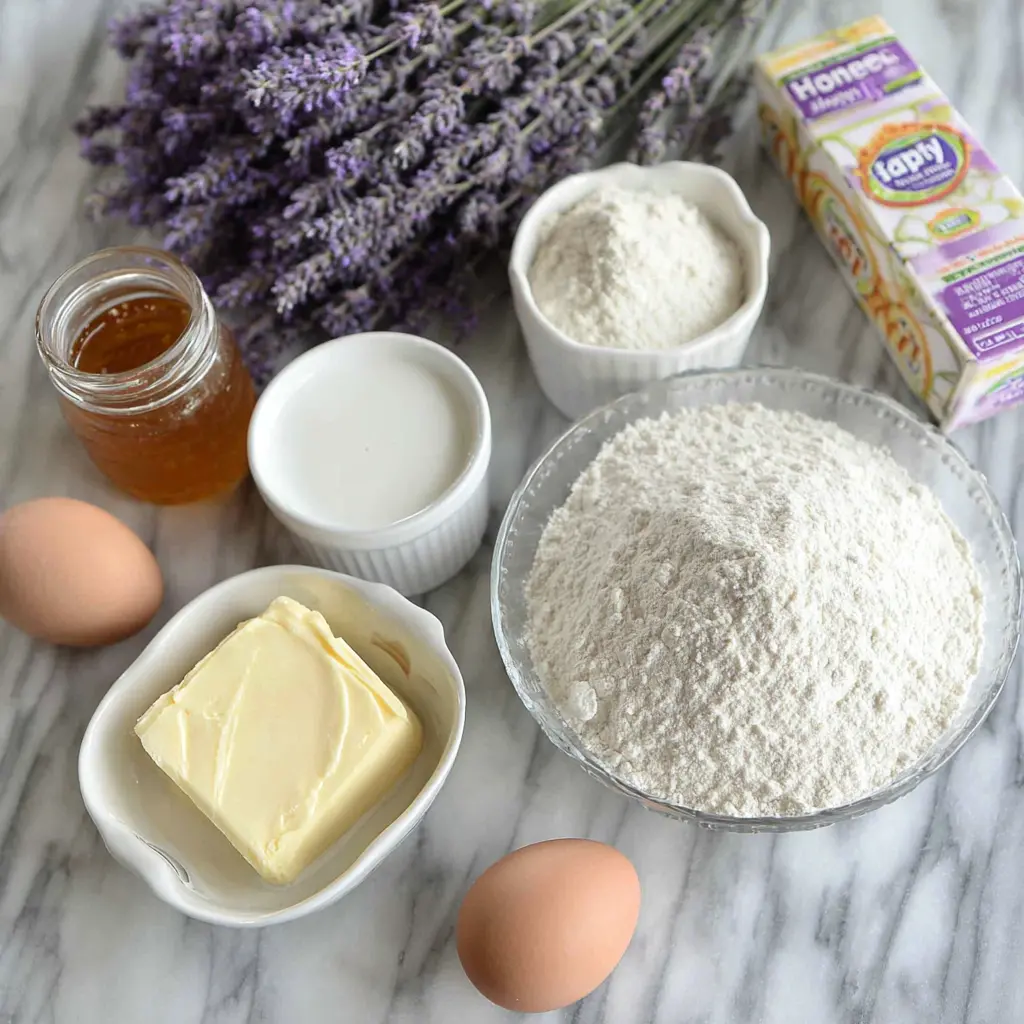
Key Ingredients for the Best Flavor
Let’s talk about what makes this cake work. Every ingredient has a job, and understanding that helps you bake with confidence.
Fresh Lavender Flowers This is non-negotiable for the best flavor. Fresh lavender has a sweet, floral aroma without the bitterness you sometimes get from dried buds. If you can only find dried, use about one-third the amount. And always, always make sure it’s culinary lavender. The stuff from the craft store or your neighbor’s garden might be treated with pesticides. Stick with food-grade lavender from a trusted source.
Honey Local honey is ideal here. It adds a complex sweetness that pairs beautifully with the lavender. I use just 2 tablespoons in the batter, which is enough to taste without making the cake too heavy. Honey also helps keep the cake moist, but it does brown faster than sugar. We’ll talk about that in the baking section.
Plain Yogurt This is my secret weapon for a tender crumb. The acidity in the yogurt reacts with the baking powder to create a light, airy texture. Full-fat yogurt gives the best results, but Greek yogurt works too. Just know that Greek yogurt will make the cake slightly denser. Still delicious, just a little more substantial.
Heavy Cream We use a small amount to steep the lavender flowers. The cream absorbs the floral oils, and then we mix it into the batter. It’s a simple trick that gives you consistent flavor throughout the cake.
Unsalted Butter and Eggs Both need to be at room temperature. I know, I know, everyone says that. But it really matters here. Cold butter won’t cream properly, and cold eggs can make the batter seize up. Set them out an hour before you start baking.
Step-by-Step Instructions
Let’s walk through the process together. I’ll break it into four stages so you can see the progress.
Stage 1: Steeping the Lavender
This is where the magic starts. Remove the lavender flowers from the stems and chop them finely. Don’t skip the chopping. It releases the oils and gives you a more even infusion. Place the chopped flowers into 1/4 cup of heavy cream, cover, and refrigerate for at least 2 hours. Overnight is even better for a deeper flavor.
The cream will take on a pale purple hue and a gentle floral scent. When you’re ready to bake, strain out the flowers. You can discard them or save them for another use.
Stage 2: Making the Batter
Preheat your oven to 350°F. Grease a 10-cup Bundt pan with baking spray that contains flour, or butter and dust with flour. Set aside.
In a stand mixer with the paddle attachment, cream together the softened butter, granulated sugar, and honey until light and fluffy. This takes about 3 minutes. You want it to look pale and airy. Add the eggs one at a time, mixing well after each addition. Then add the vanilla extract.
In a separate bowl, whisk together the all-purpose flour and baking powder. In another small bowl, stir the lavender-infused cream into the yogurt.
Now the alternating part. Add one-third of the flour mixture to the butter mixture and mix on low speed. Then add half of the yogurt-cream mixture and mix. Repeat, ending with the flour mixture. Mix just until combined. Over-mixing at this stage develops gluten and makes the cake tough. Stop as soon as you don’t see any more streaks of flour.
Fold in the chopped extra tablespoon of lavender flowers with a spatula.
Stage 3: Baking the Cake
Pour the batter into the prepared Bundt pan and spread it evenly. Bake for 45 minutes, or until a toothpick inserted into the center comes out clean. Here’s the thing about honey cakes. They brown faster than regular cakes because of the natural sugars in honey. Don’t panic if the top looks darker than you expected. That’s normal. If it’s browning too quickly, you can tent it with foil halfway through.
Let the cake cool in the pan for 10 minutes. This is important. If you try to turn it out too soon, it might break. After 10 minutes, turn it out onto a wire rack to cool completely.
Stage 4: Finishing and Serving
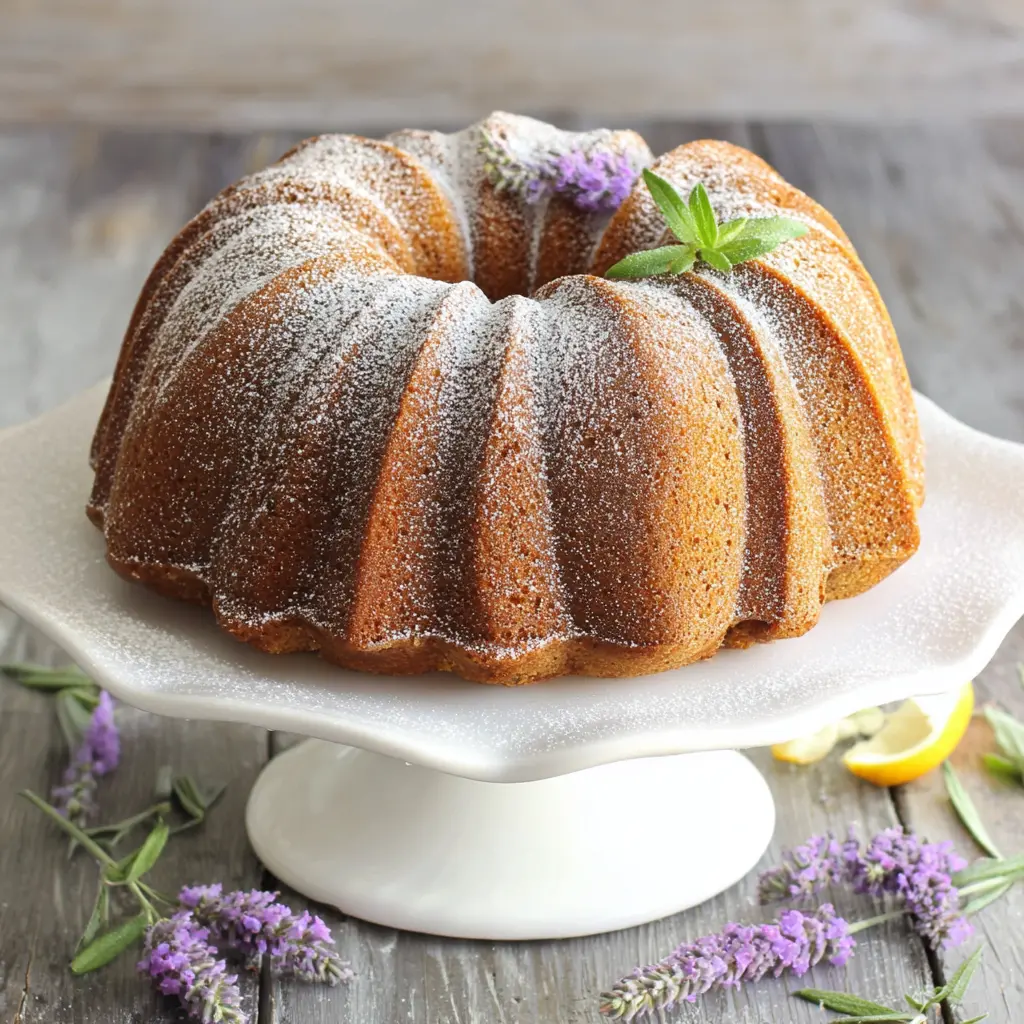
Once the cake is completely cool, dust it generously with powdered sugar. I use a fine-mesh strainer for an even, professional-looking coating. You can also add a few fresh lavender buds or edible flowers for decoration.
That’s it. A stunning, elegant lavender dessert that looks like it took hours of work.
Why Room Temperature Ingredients Matter
I mentioned this earlier, but let me explain why it’s so important.
When butter is at room temperature, it’s soft enough to trap air during the creaming process. Those tiny air bubbles expand in the oven, giving you a light, fluffy cake. Cold butter doesn’t cream properly, and you end up with a dense, heavy texture.
Same with eggs. If you add cold eggs to a room-temperature butter mixture, the butter can seize up and become lumpy. That ruins the emulsion you worked so hard to create.
And yogurt? Room-temperature yogurt mixes more evenly into the batter. Cold yogurt can cause the butter to harden in spots, leading to an uneven crumb.
So take the hour to let everything come to room temperature. It’s a small step that makes a huge difference.
Tips for the Perfect Lavender Flavor
Getting the lavender flavor right is the most common challenge with this cake. Here’s how to nail it.
Use fresh culinary lavender. I can’t stress this enough. Fresh lavender has a sweet, gentle flavor. Dried lavender is more concentrated and can easily become overpowering. If you must use dried, reduce the amount by two-thirds.
Steep, don’t just mix. Steeping the lavender in cream extracts the flavor without leaving bitter bits of flower in the batter. It’s the same principle as making lavender simple syrup. Gentle heat (or in this case, time) draws out the essential oils.
Start small and taste. You can always add more flavor, but you can’t take it away. The recipe calls for a specific amount of lavender, which gives a subtle floral note. If you want a stronger flavor, you can steep the cream for longer or add a tiny bit more chopped lavender to the batter.
Watch for that soapy taste. Lavender can go from delicate to soapy very quickly. If you’ve ever had a lavender latte that tasted like hand soap, you know what I mean. The key is to use just enough to enhance the cake without overwhelming it. Trust the recipe measurements.
How to Decorate and Serve
This cake is beautiful in its simplicity. A generous dusting of powdered sugar is all it really needs. But if you want to dress it up, here are some ideas.
- Fresh lavender sprigs Arrange a few stems on top or around the base of the cake stand.
- Edible flowers Pansies, violets, or rose petals add a pop of color and reinforce the floral theme.
- Honey drizzle Warm a tablespoon of honey and drizzle it over the cake before adding the powdered sugar.
- Whipped cream Serve each slice with a dollop of lightly sweetened whipped cream. It adds richness without competing with the flavor.
- Lemon zest A sprinkle of fresh lemon zest brightens the cake and complements the honey.
For serving, this cake is perfect on its own or with a cup of tea or coffee. It’s a wonderful spring layer cake alternative if you want to turn it into a layer cake. Just bake the batter in two 9-inch round pans for about 25-30 minutes, then stack with a simple buttercream or cream cheese frosting.
Perfect Occasions for This Cake
This cake was made for spring. It’s light, floral, and elegant without being fussy. Here are some occasions where it really shines.
- Mother’s Day brunch It’s a thoughtful, homemade gift that shows you put in the effort.
- Bridal showers and garden parties The floral flavor fits the theme perfectly.
- Easter dessert It’s a refreshing change from heavy chocolate cakes.
- Birthday parties For someone who loves unique flavors, this is a memorable choice.
- Tea time Serve it with a pot of Earl Grey or chamomile tea.
- Spring brunch It pairs beautifully with fresh fruit and mimosas (hold the alcohol for our non-alcoholic version, of course).
Honestly, you don’t need a special occasion. Sometimes you just want a beautiful cake to brighten up a Tuesday. This cake does that.
Storage and Make-Ahead Tips
One of the best things about this cake is how well it keeps. Here’s what you need to know.
At room temperature Store the cake in an airtight container for up to 3 days. The powdered sugar might dissolve a bit over time, so you can re-dust it before serving.
In the refrigerator If you live in a warm climate or need to keep it longer, wrap the cake tightly in plastic wrap and refrigerate for up to 5 days. Let it come to room temperature before serving for the best texture.
In the freezer This cake freezes beautifully. Wrap it tightly in plastic wrap, then again in foil, and freeze for up to 3 months. Thaw overnight in the refrigerator, then bring to room temperature before dusting with powdered sugar.
Make-ahead tip Bake the cake a day in advance and store it at room temperature. Dust with powdered sugar just before serving. This is a lifesaver when you’re hosting.
Frequently Asked Questions
More Cake Recipes to Try
If you loved this Honey Lavender Cake, you might also enjoy these other floral and honey-infused recipes. They’re all designed for home bakers who want impressive results without the stress.
- Classic Vanilla Honey Cake A simple, moist cake with a subtle honey sweetness. Perfect for everyday baking.
- Lemon Lavender Loaf A quick bread version of this flavor combination. Great for brunch or snacking.
- Honey Almond Cake A dense, nutty cake that pairs beautifully with fresh berries.
- Earl Grey Tea Cake Another floral-infused option, using tea instead of lavender for a different flavor profile.
And if you’re looking for more spring dessert ideas, check out my collection of seasonal treats. From fruit tarts to light cheesecakes, there’s something for every occasion.
When you make this Honey Lavender Cake, I’d love to hear how it turns out. Drop a comment below or tag me in your photos. And if you’re on Pinterest, don’t forget to save this recipe to your spring baking board so you can find it later.
Happy baking, friends. This one’s a keeper.
Source: Nutritional Information